Stan’s Obligatory Blog

9/19/2015

San Andreas Fault Scavenger Hunt with Atlas Obscura
Filed under: — stan @ 5:43 pm

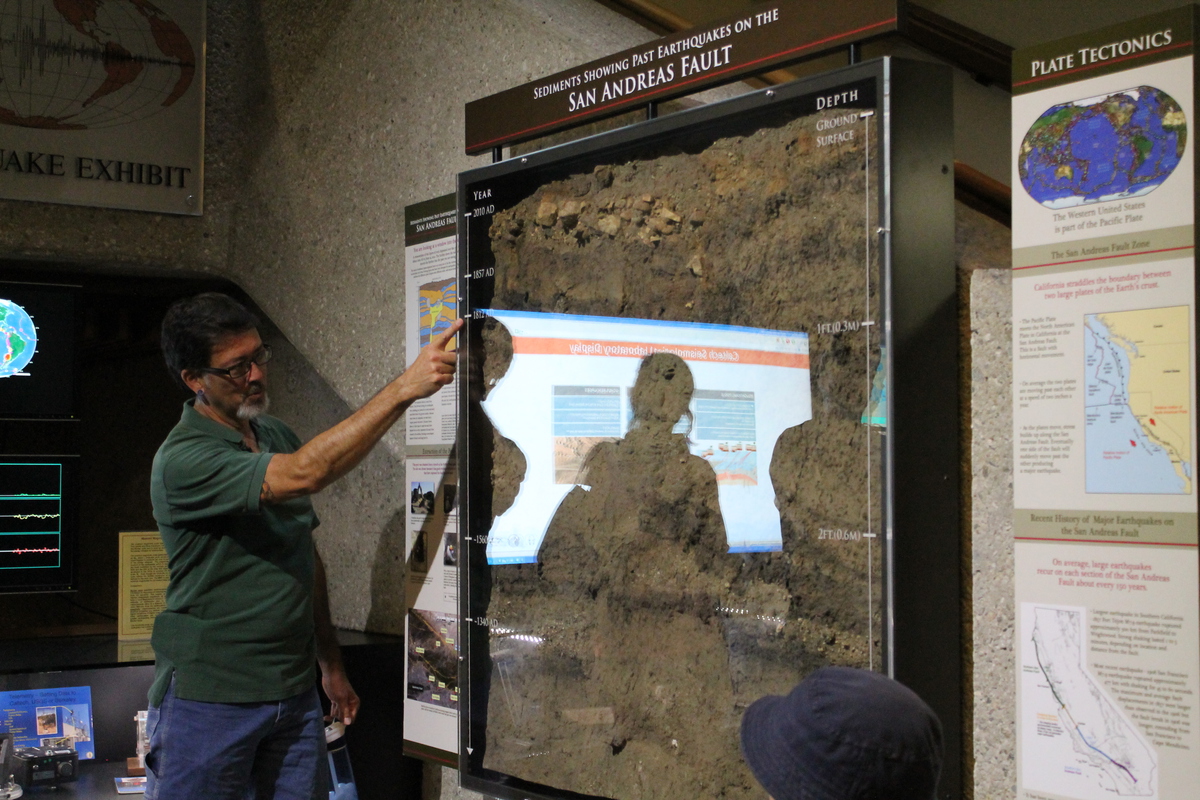
Last November, Sue Hough took a group of us from the USGS office on a field trip to see some earthquake-related sights around the San Andreas Fault. I thought this was all very interesting, and I also thought that this could make a good Obscura Society event. I first talked to Erin about it in February, when we did the bar crawl in Los Feliz. I talked to Sue and she agreed to come along to narrate the tour. And after we worked out all the scheduling details, Field Agent Sandi was ready to put it all together. She arranged for a bus and driver, and I worked out the route and sights. We added three additional sights that were not on Sue’s original tour. This time, we were going to stop at the Lamont Odett Vista Point on the 14 freeway in Palmdale. This overlooks the fault, and we could see the trace of it stretching off into the distance in both directions. The second extra stop was to climb the small hill so we could get a better look at the famous road cut on the 14. And finally, we stopped at the Pallet Creek site where Kerry Sieh did his original trenching studies back in the ’70s. With all that in place, we were ready for the first Atlas Obscura San Andreas Fault Scavenger Hunt.

We started off at Caltech. This was partly because it’s fairly centrally-located and has available parking on weekends, and also so I could take the group on a short tour of the Seismo Lab before we left for the actual field trip. We started out at the downstairs exhibit, including a small piece of the Pallet Creek trench that is in display there. Then we headed upstairs to see the Media Center. I had some fact sheets and such to hand out, and I showed them a bit about the displays there. And on our way out, we stopped at the relief map on the wall in the hallway, and I showed them were we were going to go on the tour today. Then we headed down to the bus.

The first part of the tour was the relatively short ride to San Fernando to see the fault scarp next to the McDonald’s. On the way there, Sue entertained everyone with stories she found when writing her biography of Charles Richter. When we got there, she described to us how the scarp had formed in the 1971 earthquake. There was a guy on the tour who had spent some time back in 1971 traveling around and photographing the earthquake, and he had some good stories to tell.

Then it was off to Palmdale. It’s kind of a long ride to get there, and we’d wanted to play a video about earthquakes on the bus, but the player didn’t work properly. It was having trouble reading the disc, and so the video was choppy. So we gave up on that, and Sue told us about more Richter-lore. When we got to Palmdale, we turned off at the Lamont Odett Vista Point off the 14 freeway. This overlooks Lake Palmdale and the California Aqueduct. And also the San Andreas Fault. The lake started out as a sag pond on the fault, and from there, we could see the trace of the fault stretching out as far as we could see in both directions.

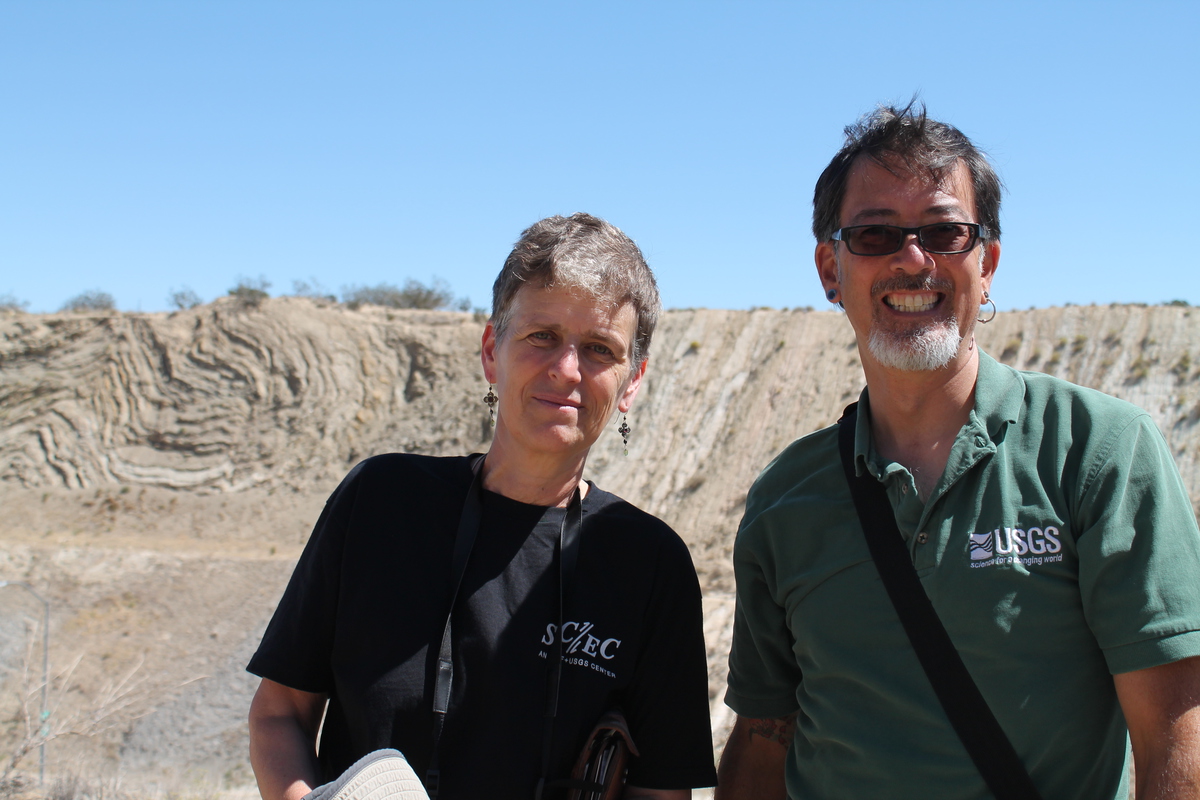
Next up was the famous road cut where the 14 freeway crosses the fault. The movement of the fault has pushed up a little hill, and in the process, it tortured the layers of rock in the hill. Then the freeway came along and blasted a cut through the hill, so we parked the bus and walked up one side of the hill so we could look down into the cut and admire the twisted rock layers.

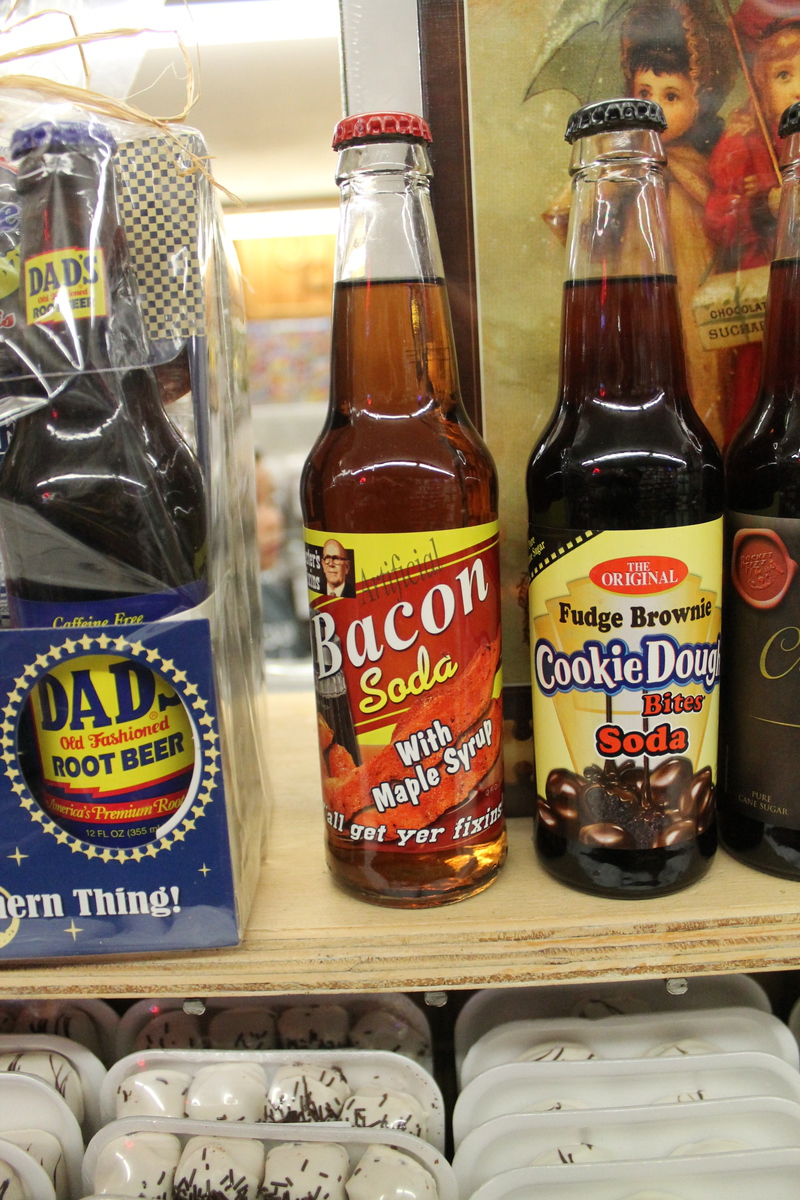
By now, it was lunchtime. Our lunch stop was at Charlie Brown Farms in Littlerock. This is a very odd place. They have bacon-flavored soda. And kangaroo meat. And dinosaurs outside. It was very strange, but entertaining. So we spent some time there having lunch before heading off for the rest of the tour.

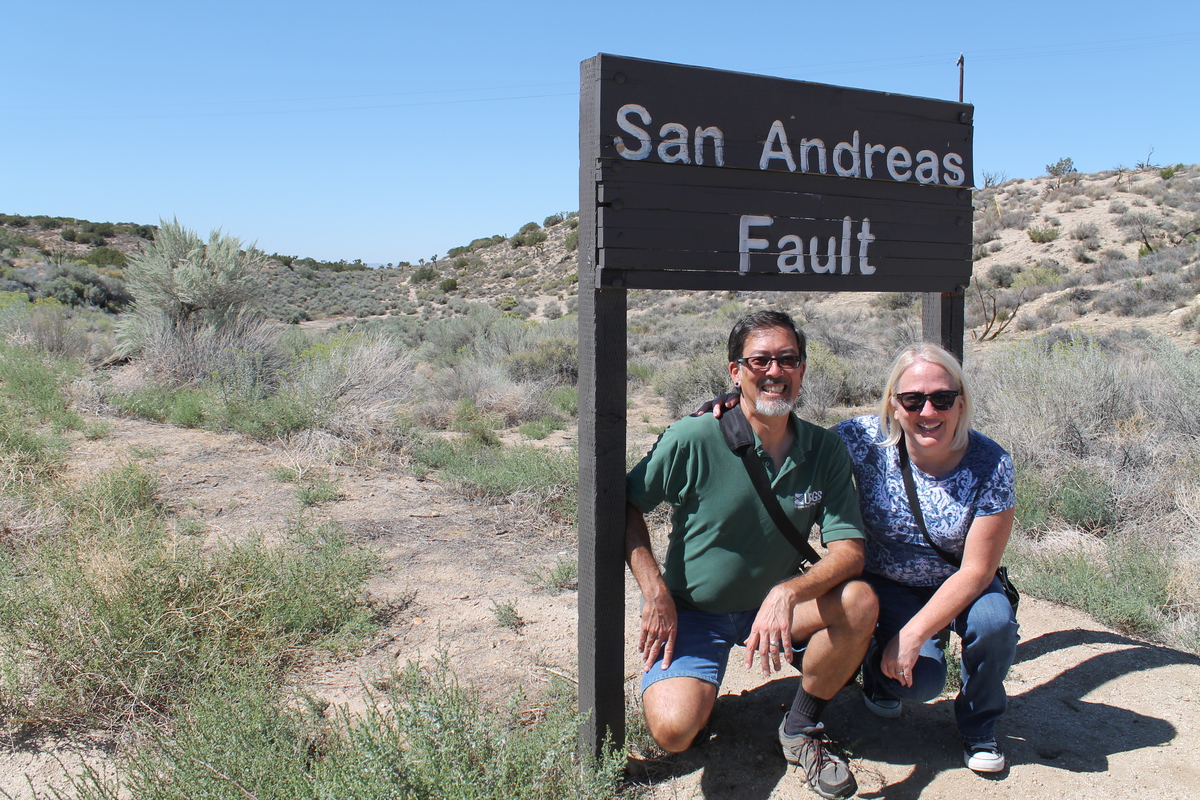
The next stop was only a few miles down the road. There is a spot on Pallet Creek Road where someone has put up a pair of signs to mark where the fault crosses the road. From there, again, we could see the trace of the fault stretching off into the distance as far as we could see in both directions. But mostly, it’s a photo-op to get our pictures with the sign marking the fault.

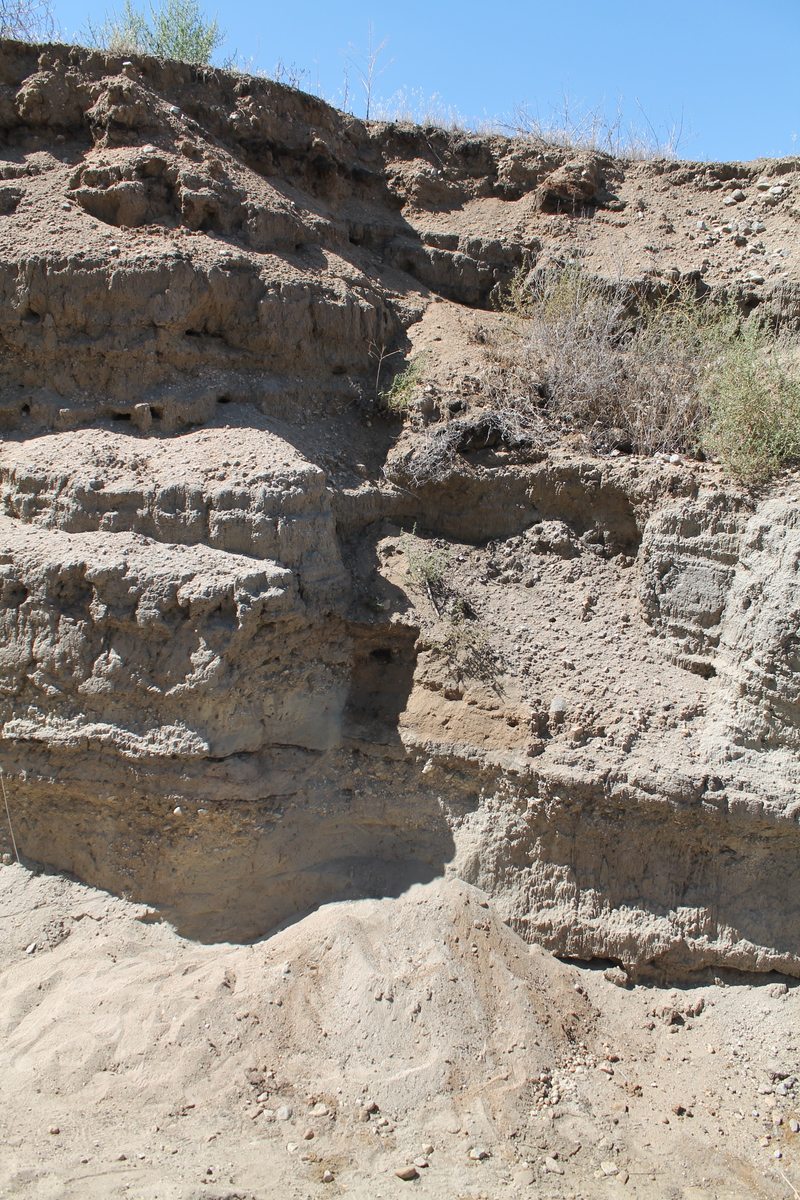
Just a short distance down the road was the actual Pallet Creek site where Kerry Sieh did his original trenching studies back in the ’70s. This was how he found evidence of large earthquakes prior to recorded history, and was able to estimate that they happen along that stretch of the fault about every 150 years, on average. Ken Hudnut from my office had recently brought a group up to see this site, and he’d prepared a poster to show them to explain what they were looking at, and he’d graciously given it to me to bring along today. So Sandi and I held the poster up, while Sue pointed out the features of the sediment layers, and in particular, the one spot in them where the layers were broken and offset. This marked the actual trace of the fault, and everyone had a chance to go and touch the spot and actually feel a little bit of the San Andreas Fault.

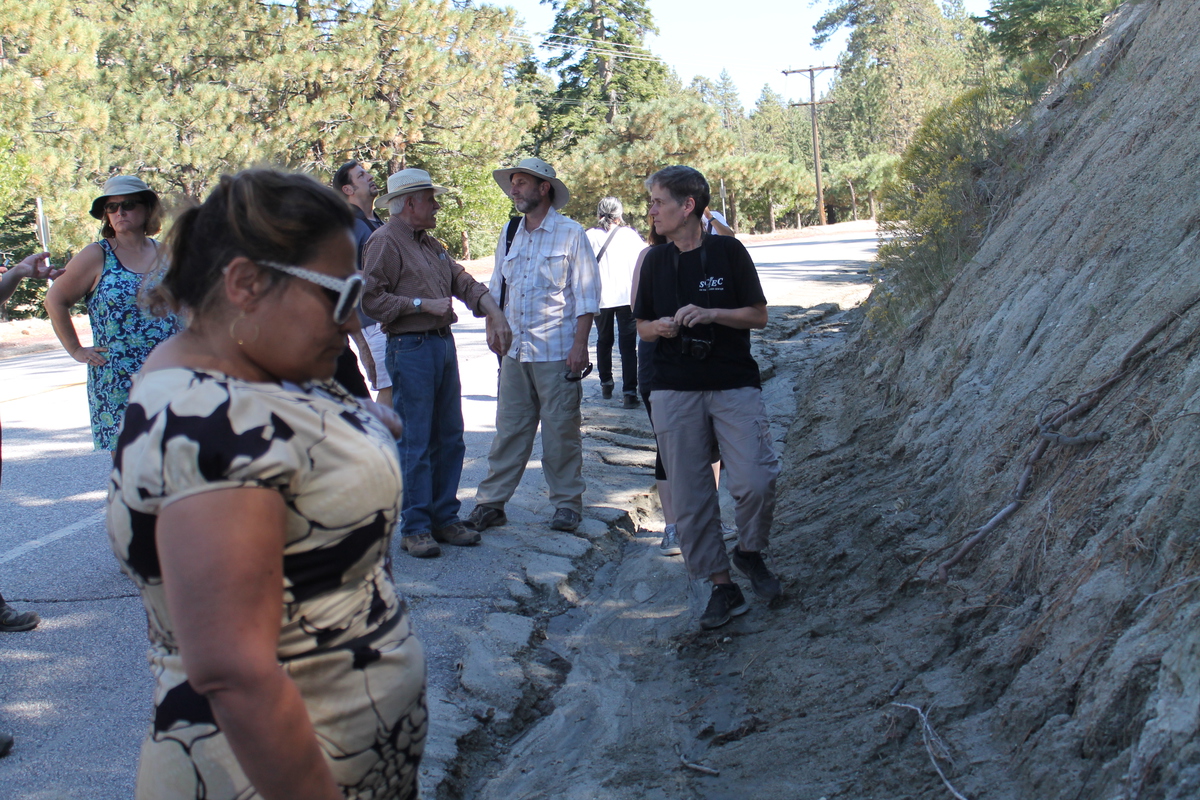
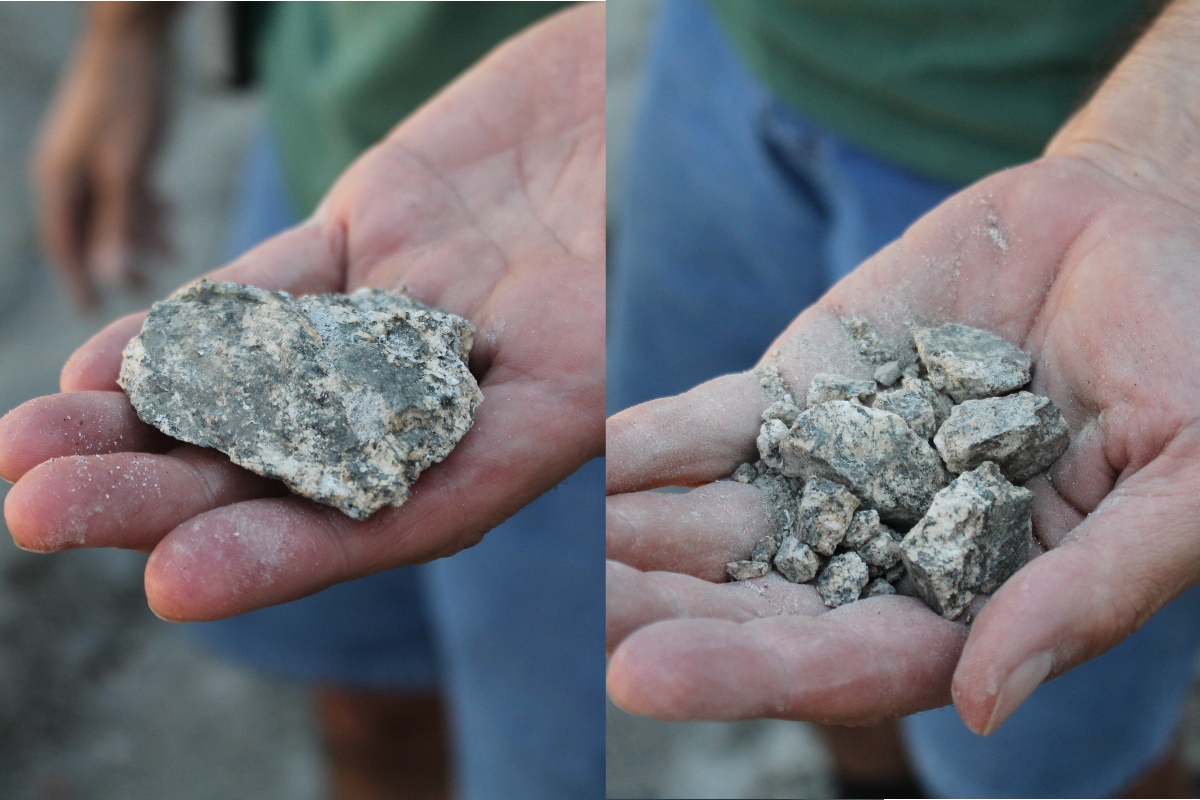
The next stop was a ways down the fault, and up into the mountains. The bus was working hard, climbing up the mountain road to Big Pines. This was a bit of a problem, since when the bus was working especially hard, it would automatically cut off the air conditioner. Coming up from the hot desert, this was a bit of a problem. But we finally made it up the the road cut up in the mountains where the cut went right through the fault, and one side of the cut was entirely sandy fault gouge. Sue showed us how it is basically ground-up rock, but we could dig in it and pull out chunks of rock. But since the rocks had been shattered by earthquakes, we could crush them in our hands. Everyone seemed to enjoy that. It’s not every day when you can take a chunk of granite and crush it in your hands.

From there, we continued on up the mountains and through Wrightwood. We went down the road down Lone Pine Canyon. That is the road that follows the trace of the fault, and it’s the way we went last time we did this tour. But since I was more involved and navigating this time, I realized just how scary a descent that is. The road down the canyon is many, many miles of 10% downgrade, and it was kind of intimidating. But our driver was good, and he got us down to the bottom just fine. We got on the 15 freeway for one exit, and then we got off to go visit Lost Lake.

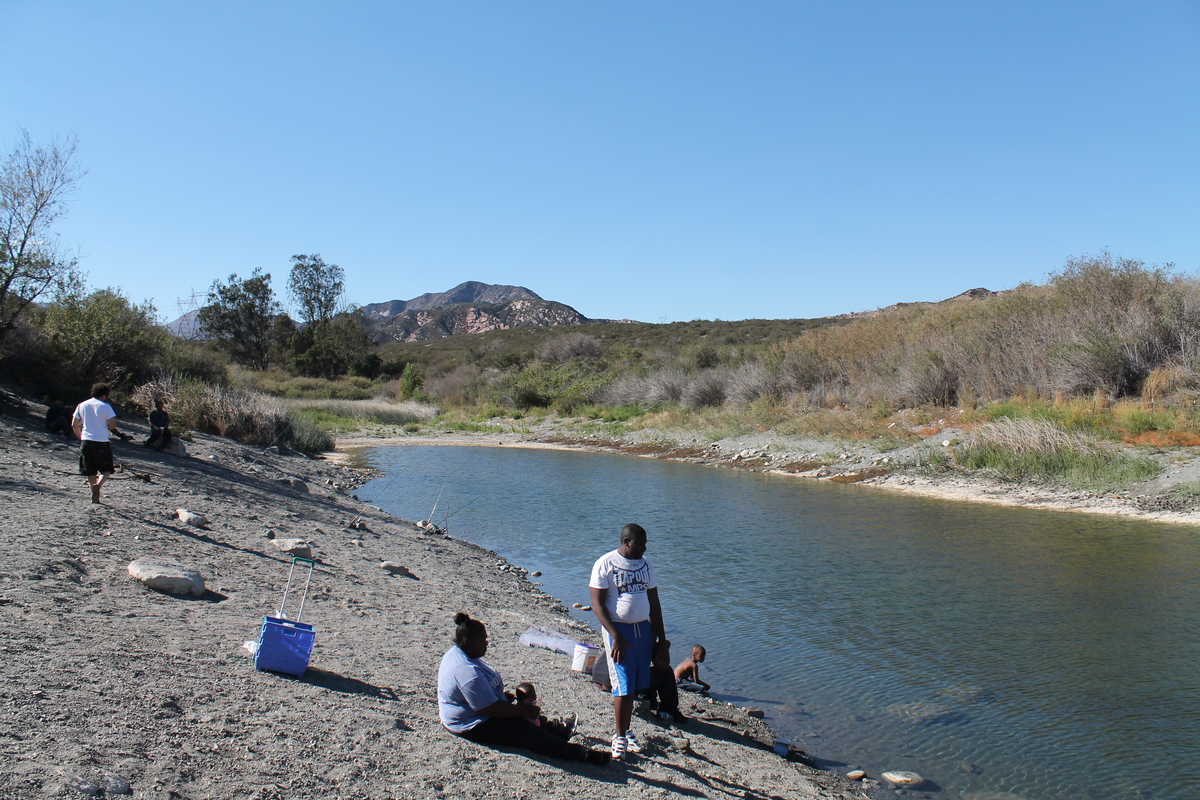
Lost Lake is a little sag pond on the fault near Cajon Pass. It’s a very improbable thing. A little lake in the middle of the desert. No stream feeds it, and no stream drains it. The water is cold, and it just comes up out of the fault below. One thing I did notice, though. The water in the lake was quite a bit lower than it was last November when we visited. I guess it’s yet another casualty of the drought.

That brought us to the end our our tour. We got back on the bus for the trip back to Pasadena. It seemed that everyone liked it, and Sandi was talking about wanting to do it again. I’m game for that, although I’m not sure Sue was. But I think that’s all right. There are other scientists in the office who might be willing to do this, or, if it comes down to it, I can do the narration myself. So I think we may well do this tour again.

It was a fun day.
9/12/2015

Sea Turtle Trek with Atlas Obscura

Filed under: — stan @ 1:32 pm

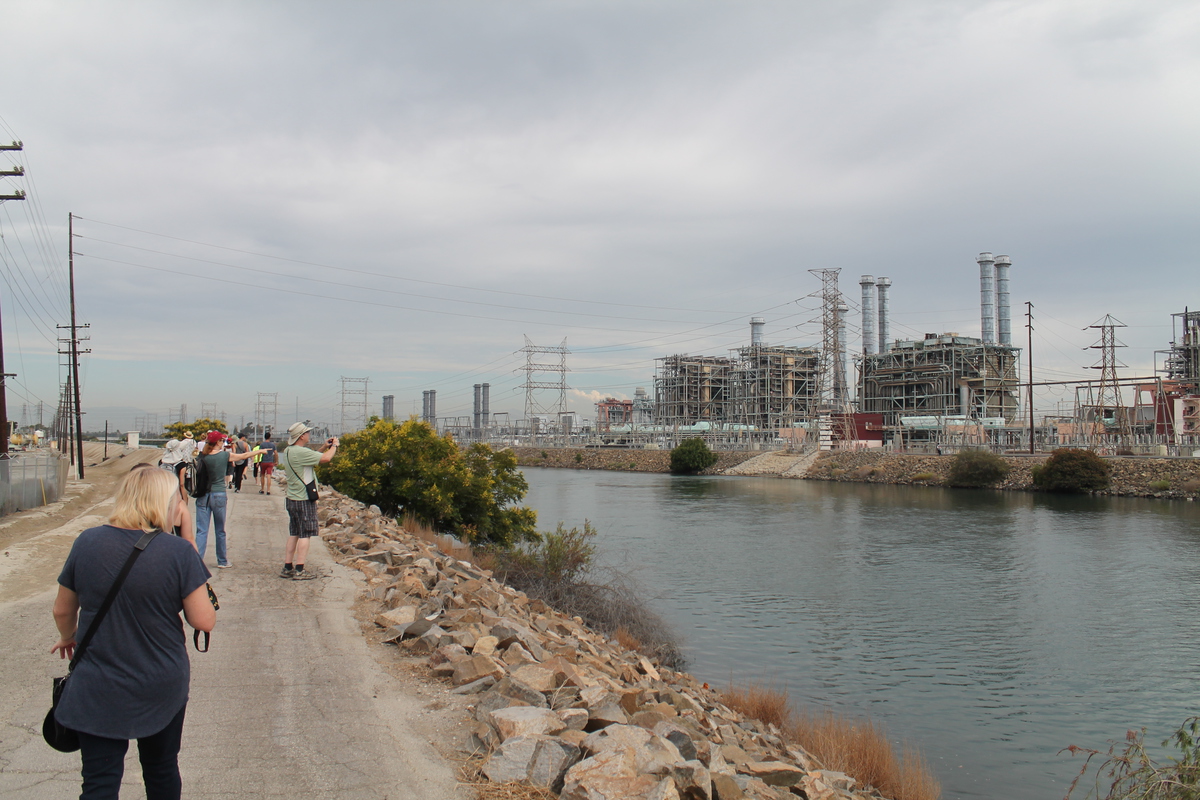
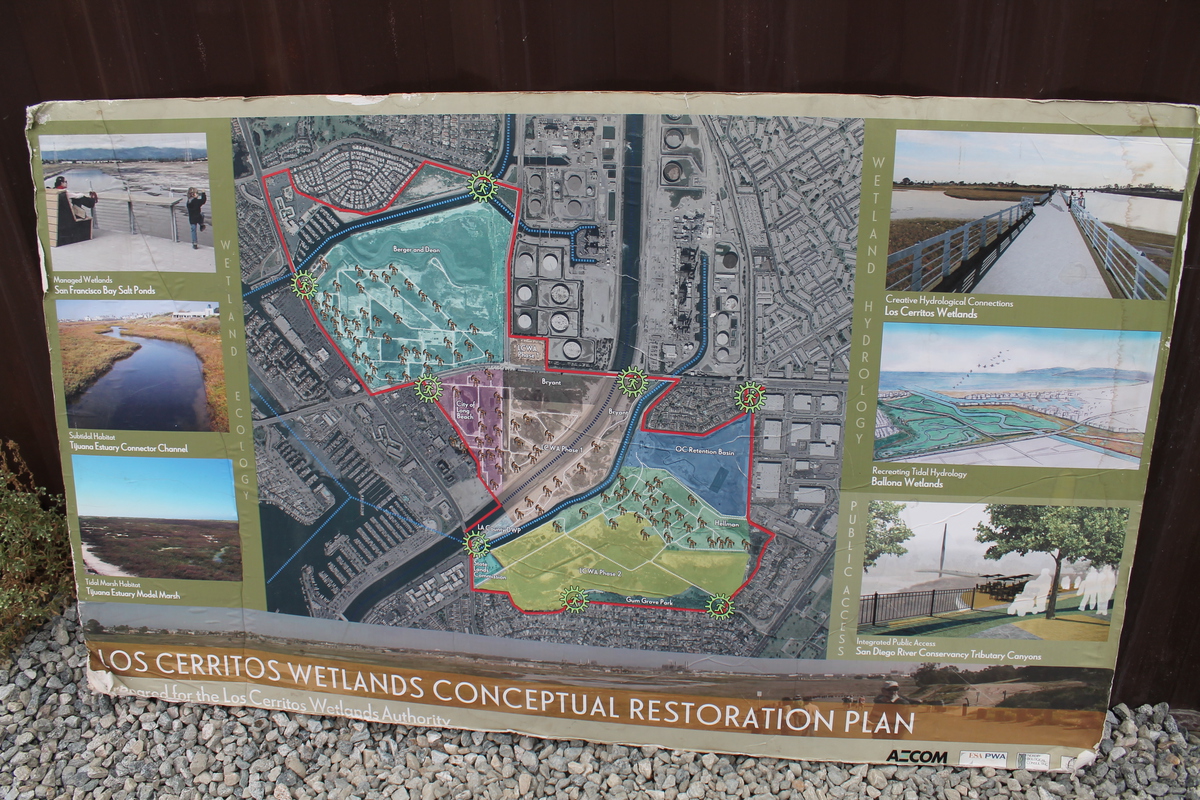
Some years ago, I read that there is a colony of green sea turtles living in the San Gabriel River, near the power plant in Long Beach. The last time I went on the bike club ride to Seal Beach, I tried to look at the river there and see if I could see one, but I couldn’t spot any. So when I found out that Atlas Obscura was going on a tour of the Los Cerritos wetlands and to see the turtles by the power plant, I got us tickets right away.

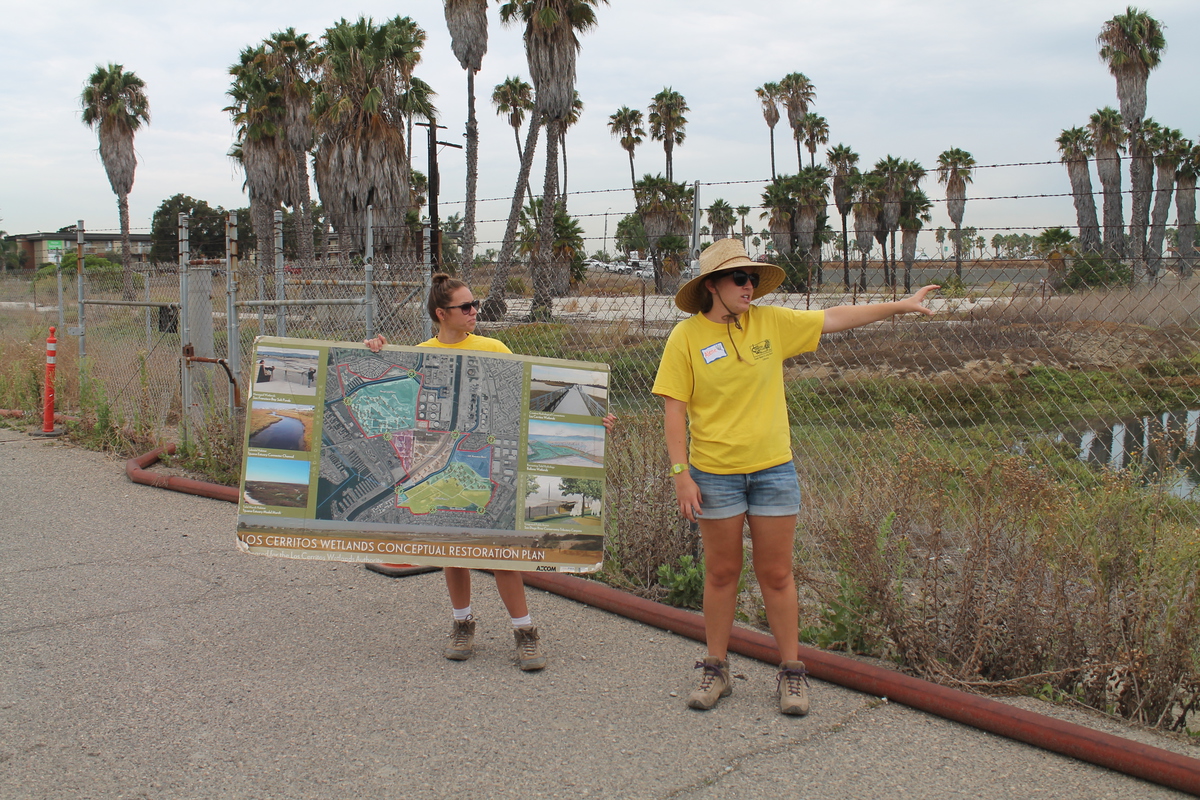
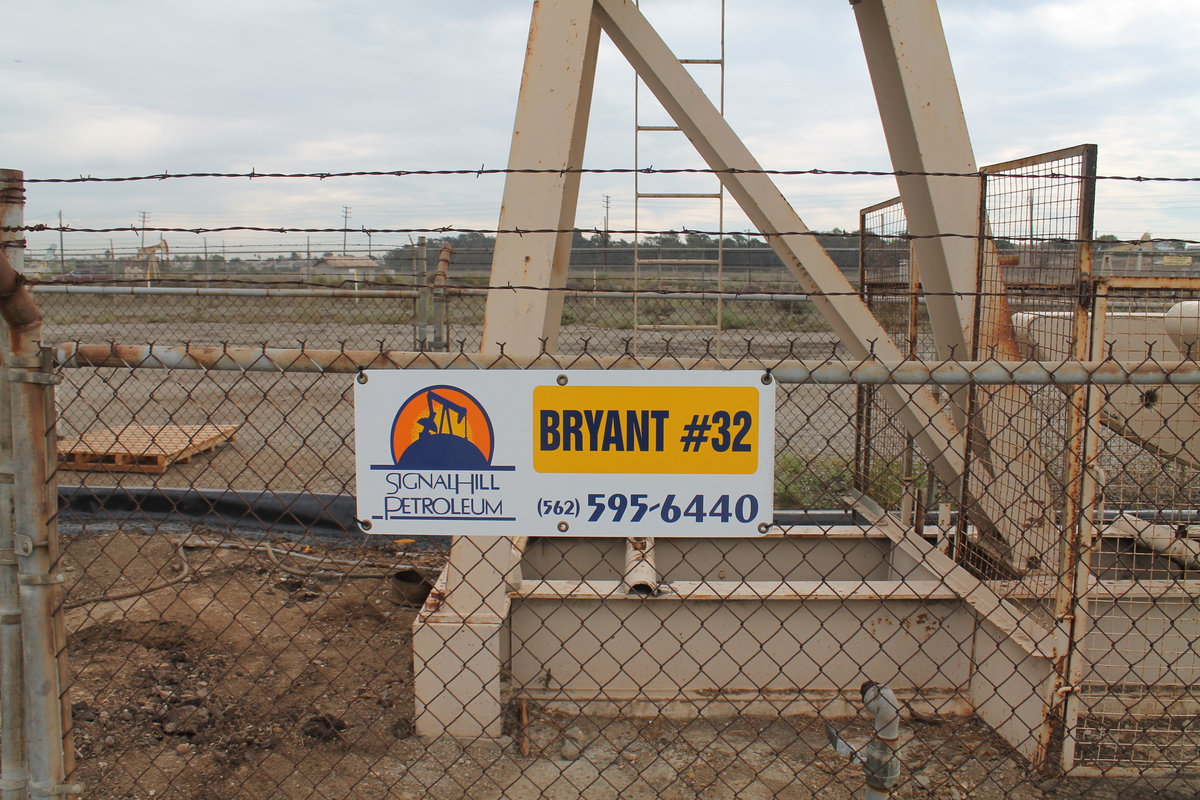
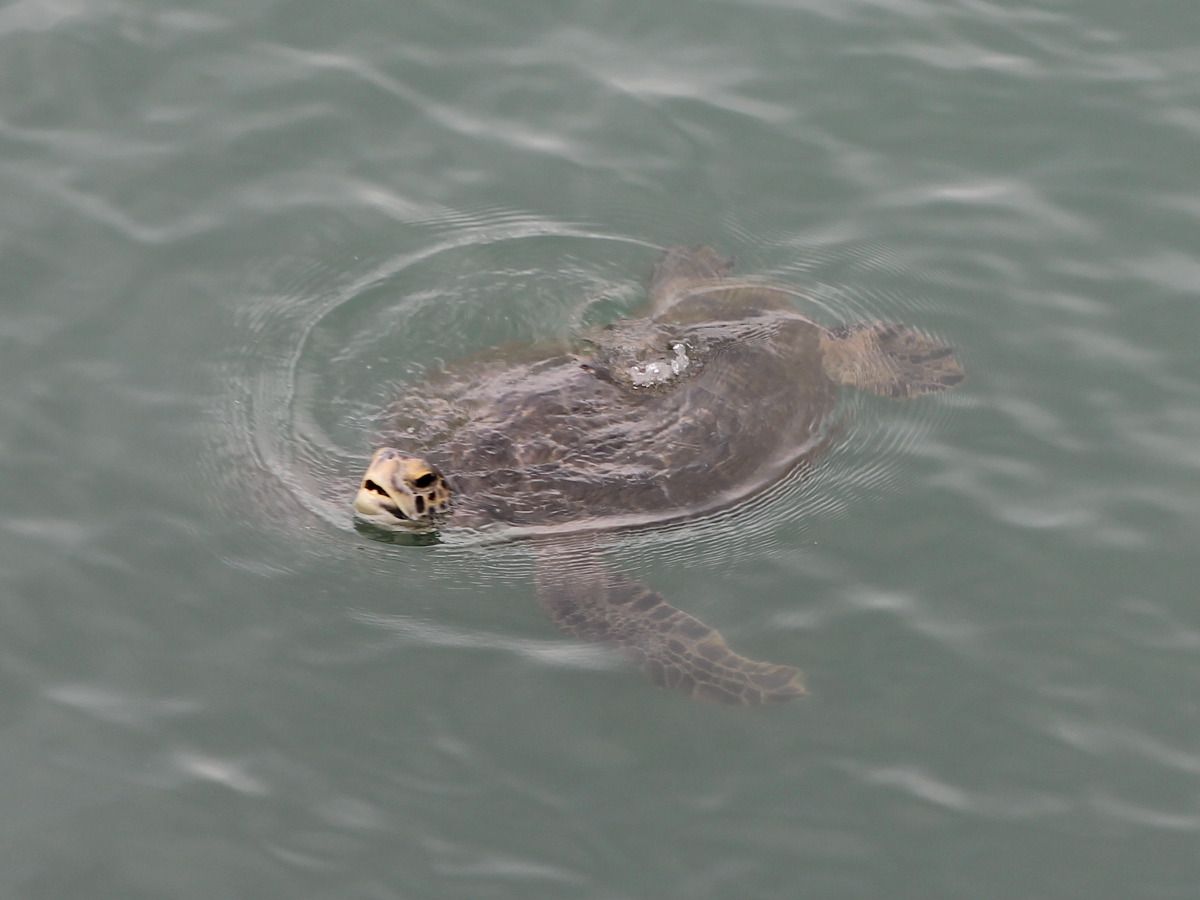
We met at the entrance to the wetlands, right next to the San Gabriel River in Seal Beach. After a little introduction by our guides, we set off. It was about a mile of walking through the wetlands and around oil wells and such before we got to the power plant. The spot where we were going to look for turtles is right across the river from the power plant. But as we were crossing the bridge, someone spotted a turtle coming up to breathe right below us. Fortunately, I had my camera out and ready, and I snapped a few pictures before the turtle went back underwater. It looked like its shell was probably two or three feet long.

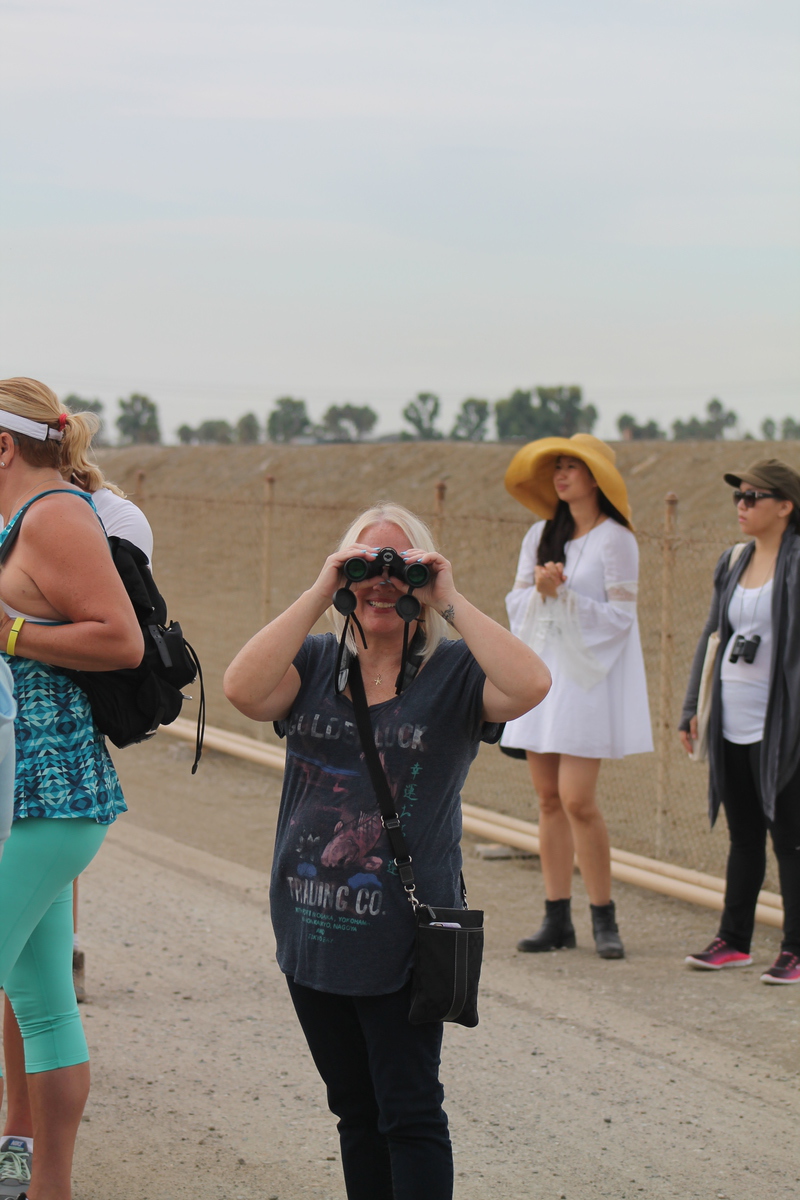
We continued on to the turtle-viewing area. Our guide spotted one turtle head coming up briefly when we got there, but the rest of the time we were there, we didn’t see any more turtles. On the way back, some people saw another turtle while we were crossing the bridge, but I didn’t see that one. So in the end, I only saw one turtle, but I did get a pretty good picture of it, so I can’t complain. This was still a pretty good adventure.


8/22/2015

Gyoza!

Filed under: — stan @ 3:33 pm

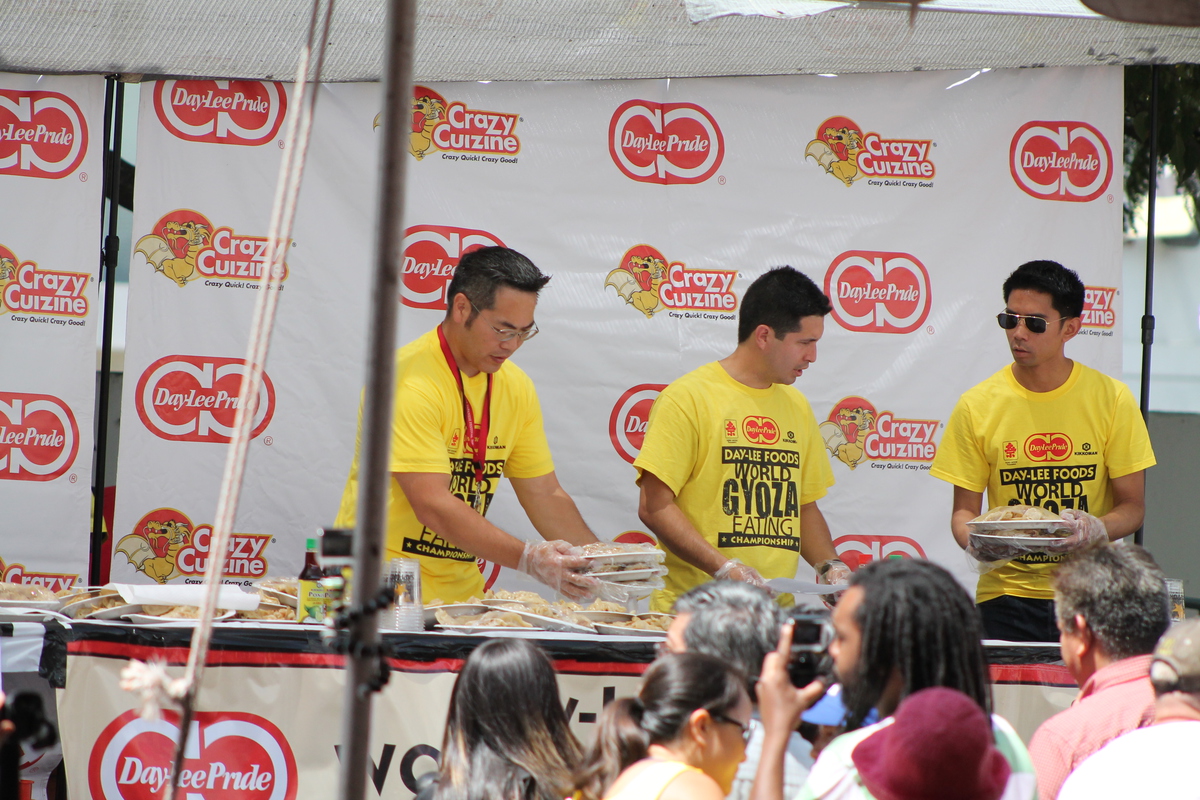
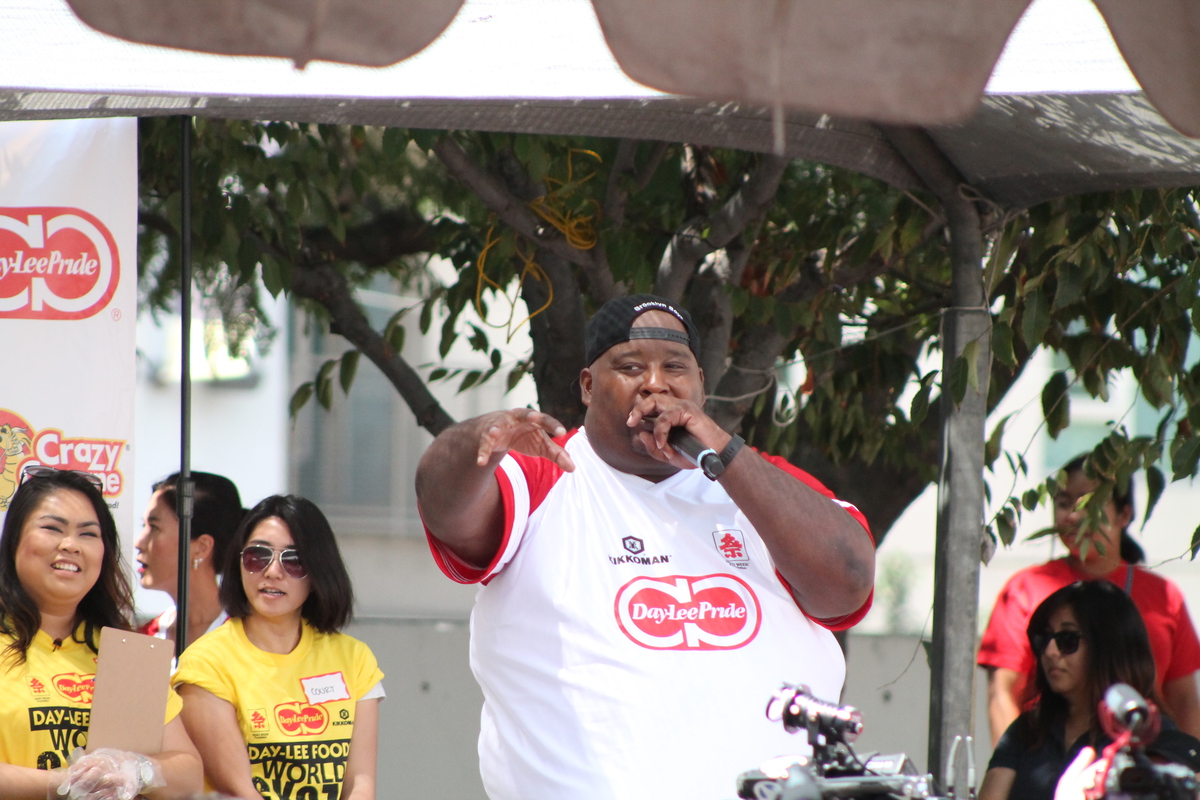
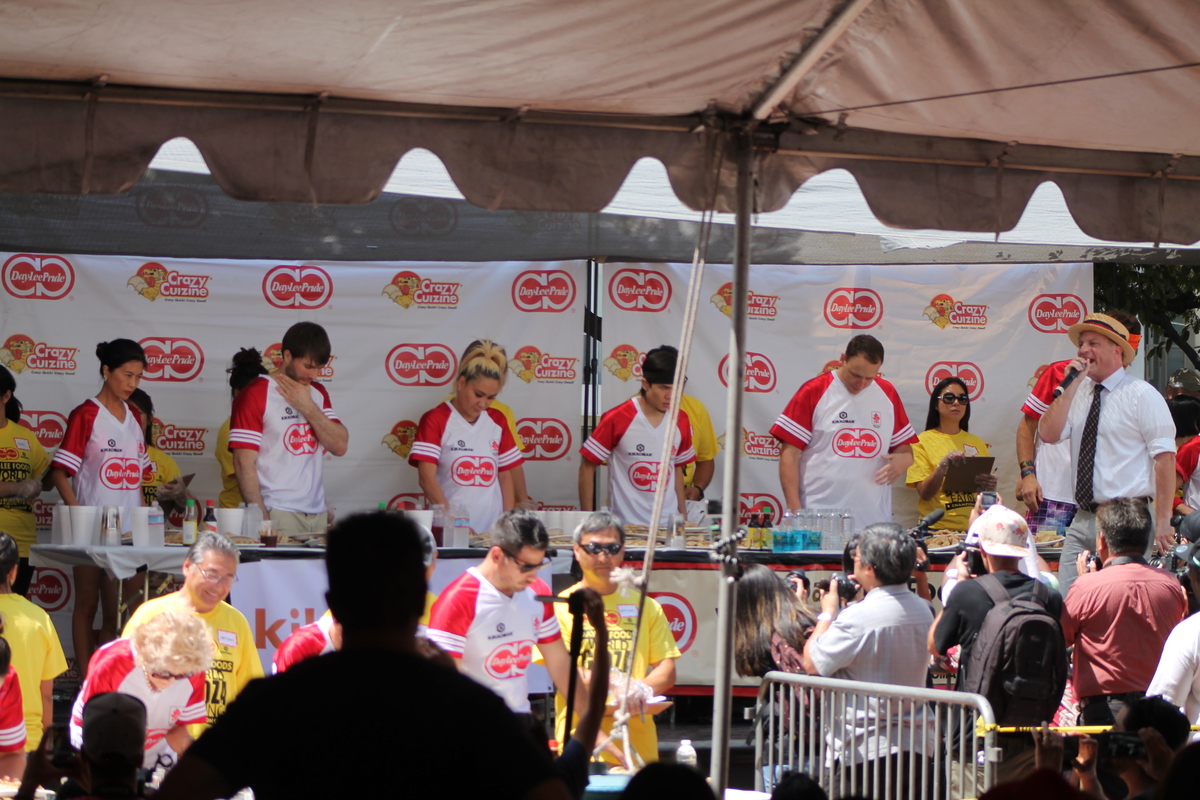
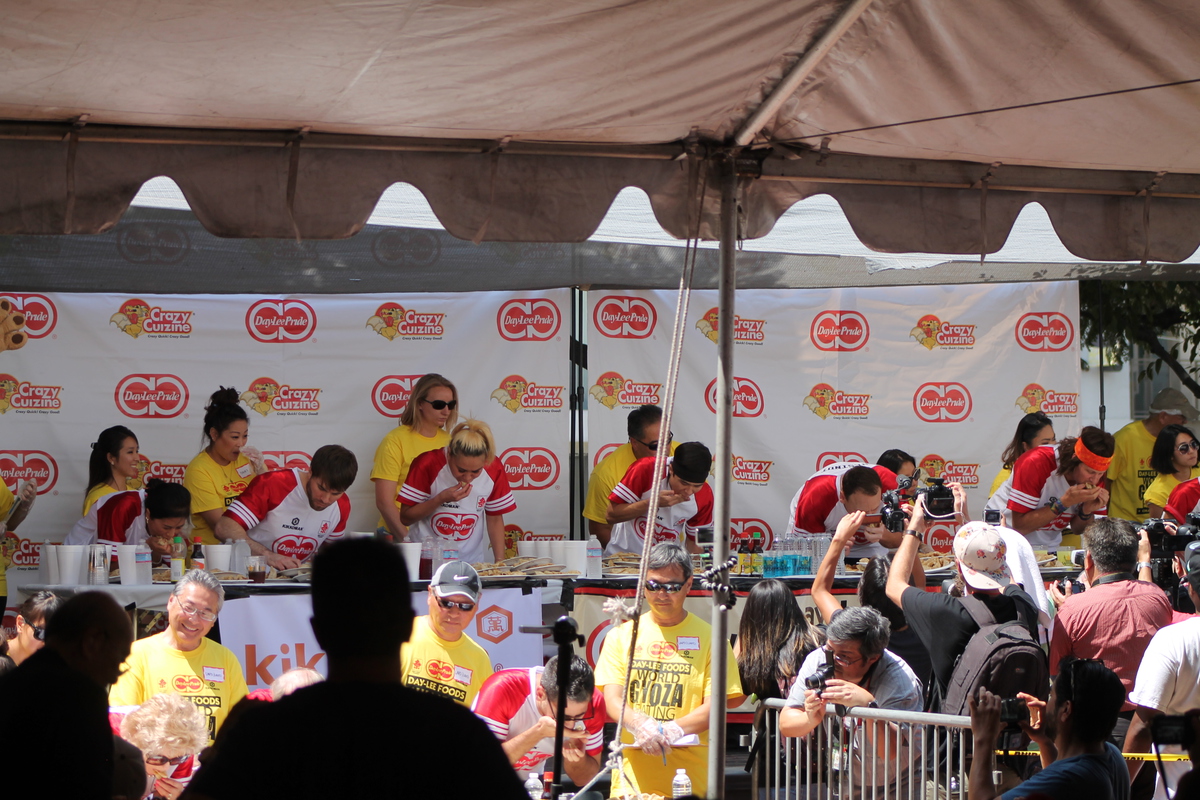
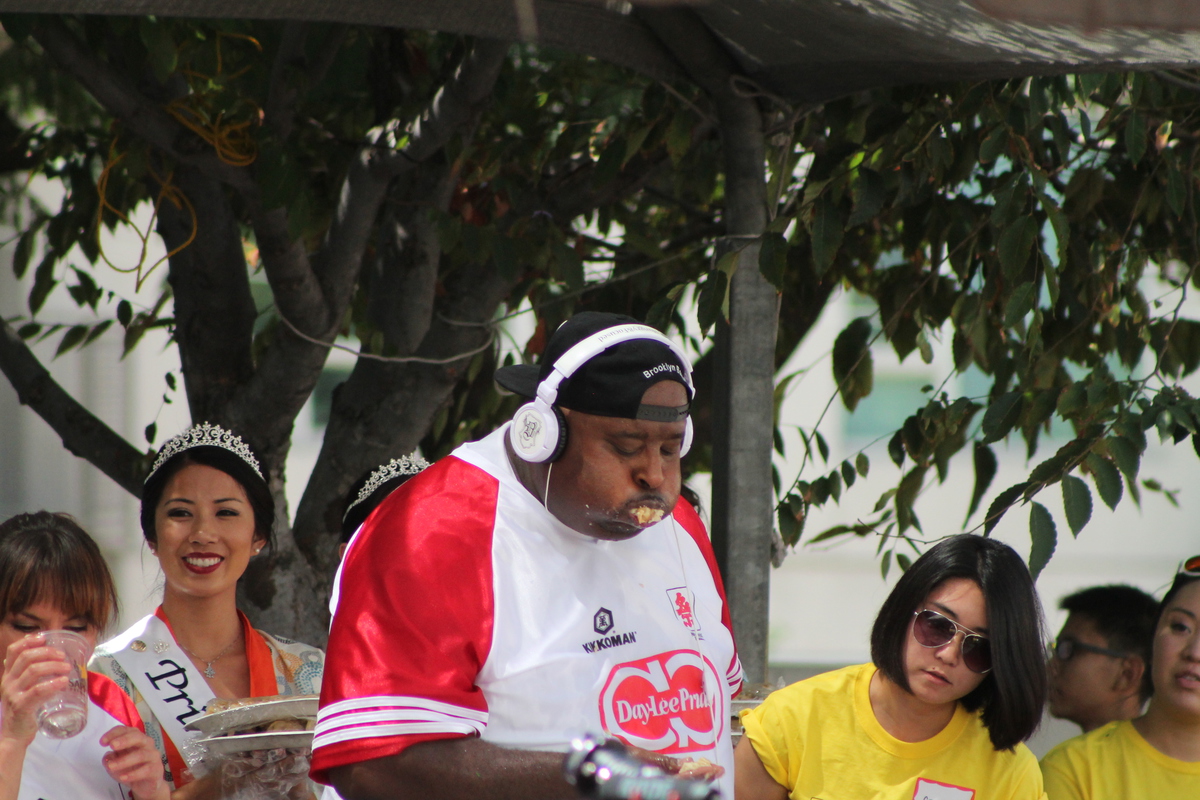
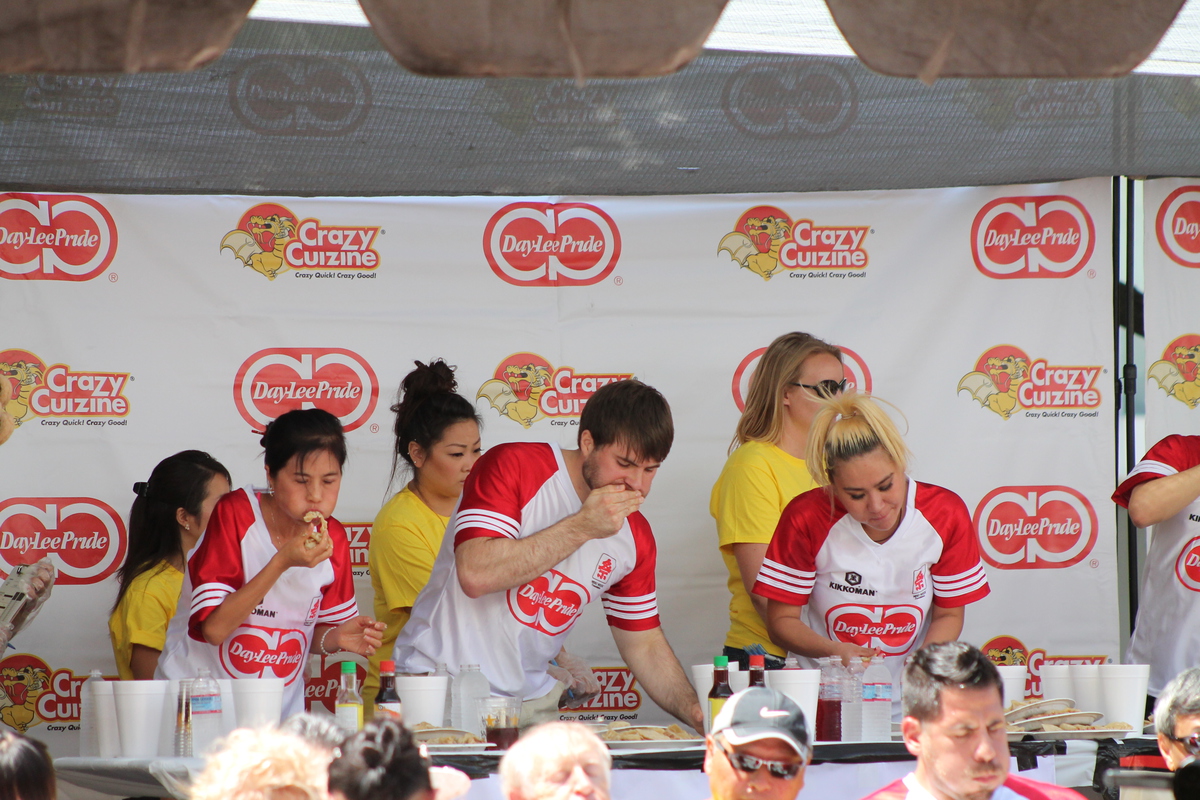
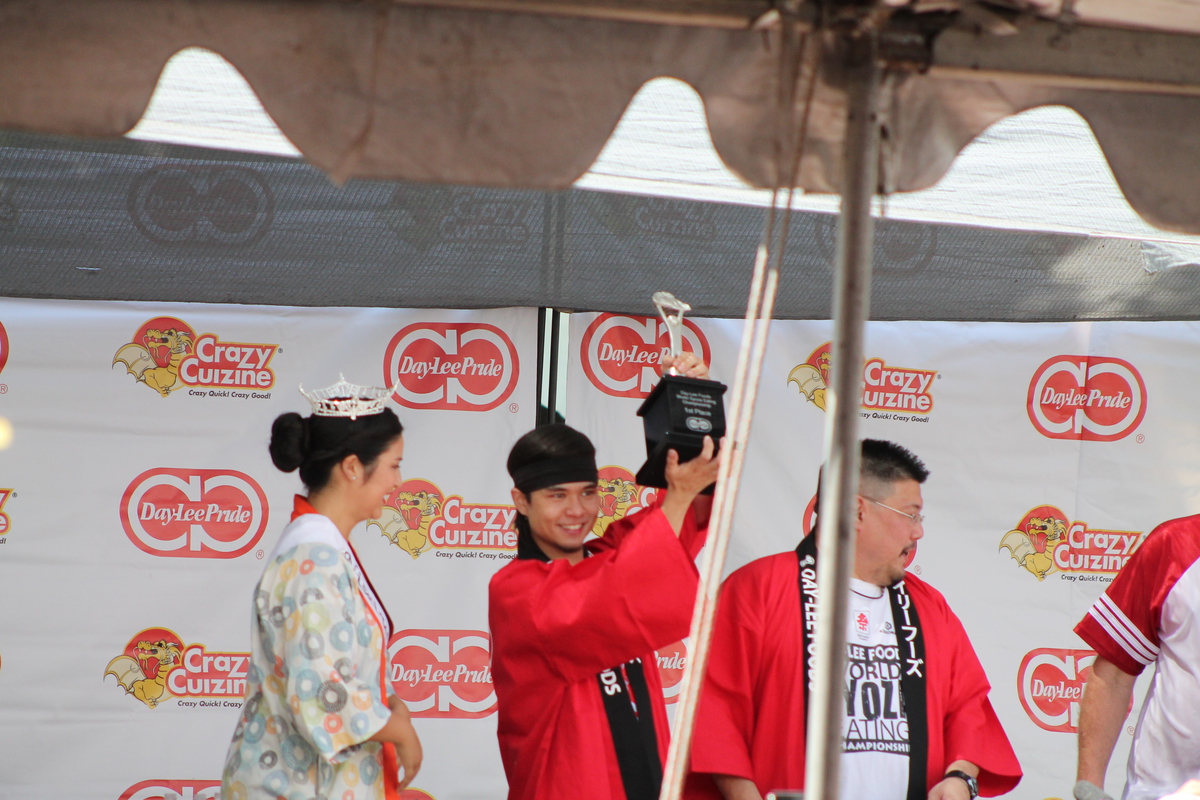
Today was the gyoza eating contest, which is one of the events in Little Tokyo for Nisei Week. We’ve been to see it in 2011 and 2012, and it was both hilarious and horrifying. That makes it a “must-see” in my book. So we took the train down to Little Tokyo to go see it.

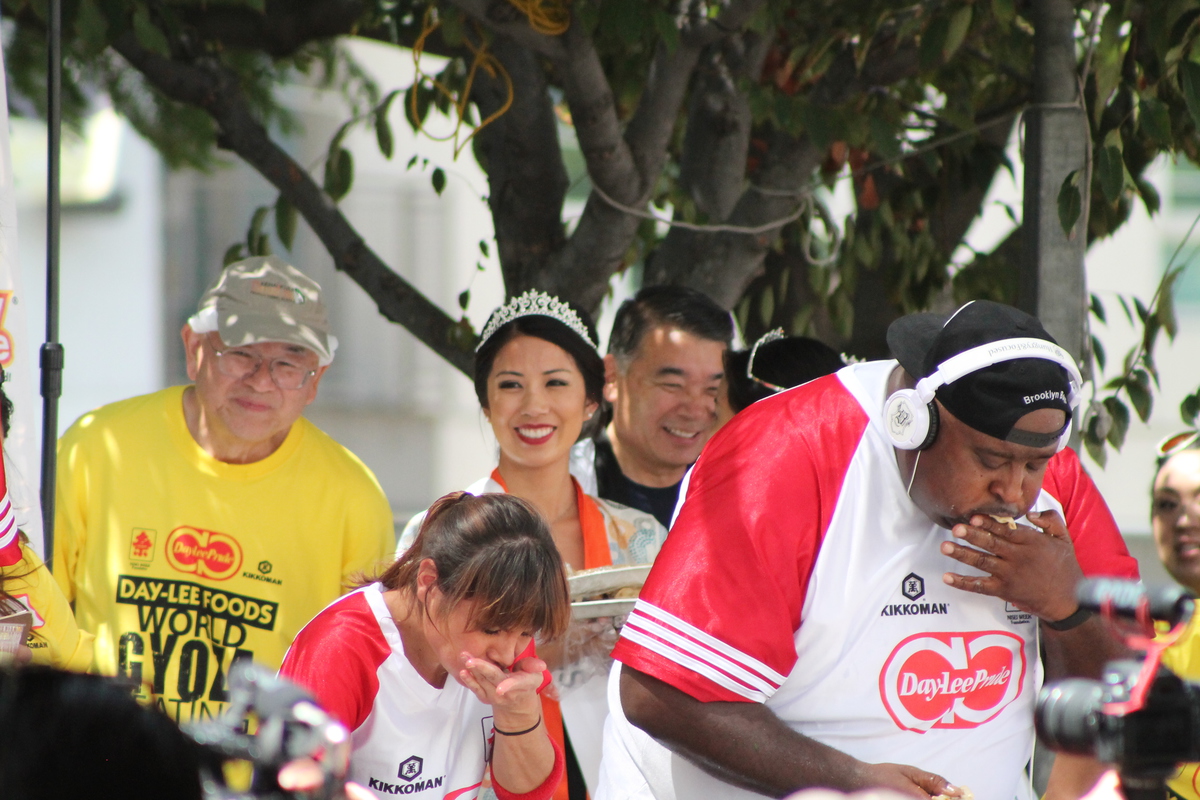
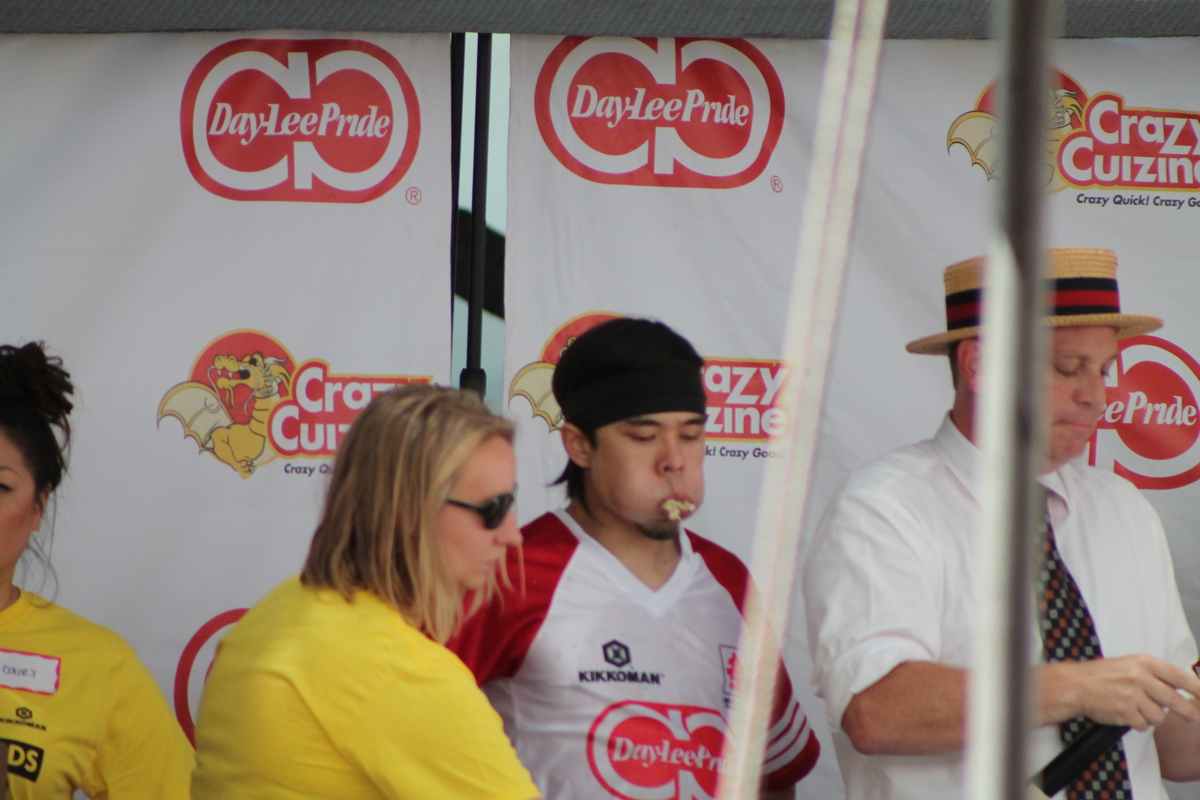
As always, the announcer from the IFOCE was great. He knew all the statistics, the rankings of the eaters, what contests they’d each won. And he introduced each one with enthusiasm and stomach-turning stories about how much they could eat. Each eater who had competed in this event before had a number on the back of their shirt signifying how many gyoza they had eaten before. Joey Chestnut was there, and he holds the record with 384 gyoza in ten minutes. At the same time, the tables were prepared with stacks of plates, each plate carrying 25 gyoza. The announcer had the audience count down from ten, and they were off and eating. It’s really amazing to watch. The intense concentration, the heads bobbing up and down, swigs of water to wash it down, and occasionally jumps and shimmies to try and pack the food down in the stomach. The contest was ten minutes. And nobody stopped eating. They were stuffing their mouths as fast as they could swallow, and nobody suffered the dreaded “Reversal of Fortune“. When the countdown to the finish came, they all stuffed their cheeks like chipmunks, since any gyoza that are already in their mouth at the finish count as long as they swallow them.

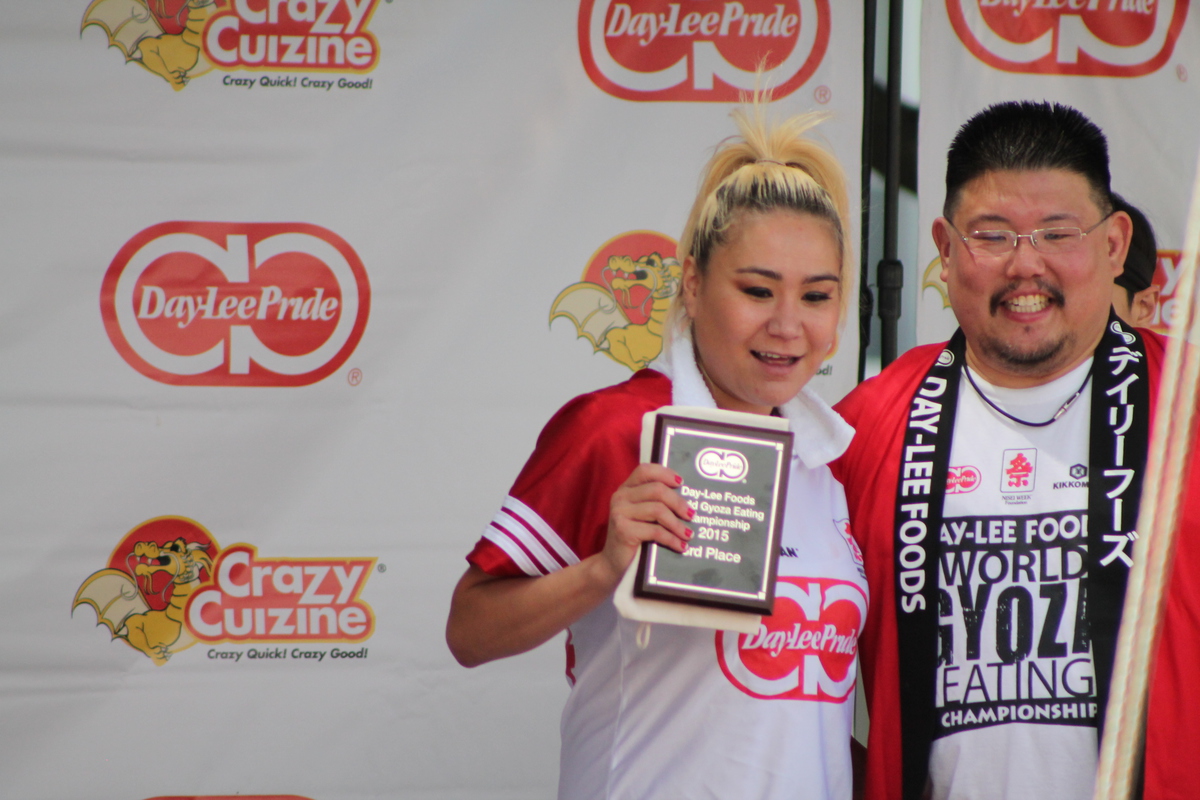
In the end, they tallied up the results, and Matt ‘Megatoad’ Stonie won with 343 gyoza. He didn’t set a new record, but it was enough to win. Joey Chestnut came in second with 339. Miki Sudo came in 3rd with 178. Full results are on the Major League Eating web site. As I said, watching this contest is both hilarious and horrifying. I recommend it highly.

8/15/2015

Getting close…

Filed under: — stan @ 12:25 pm

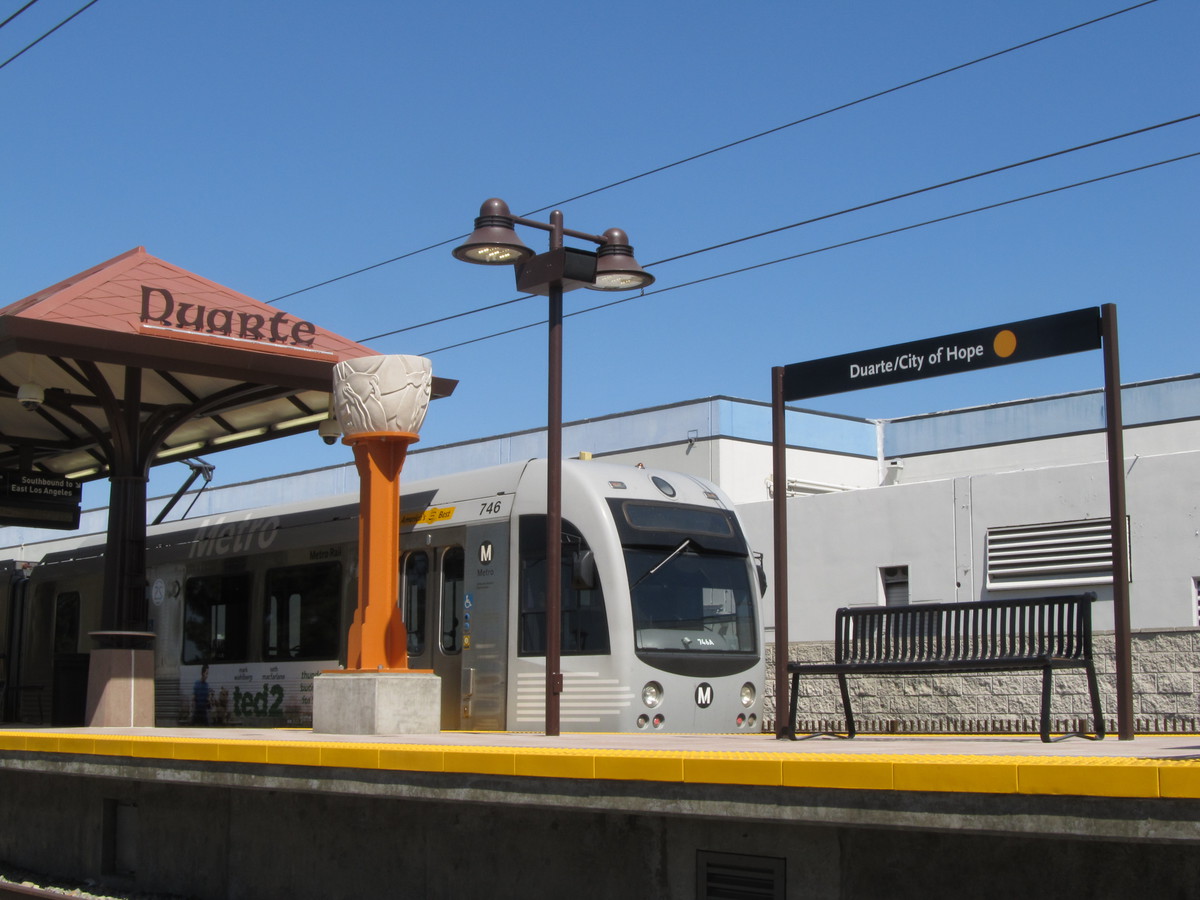
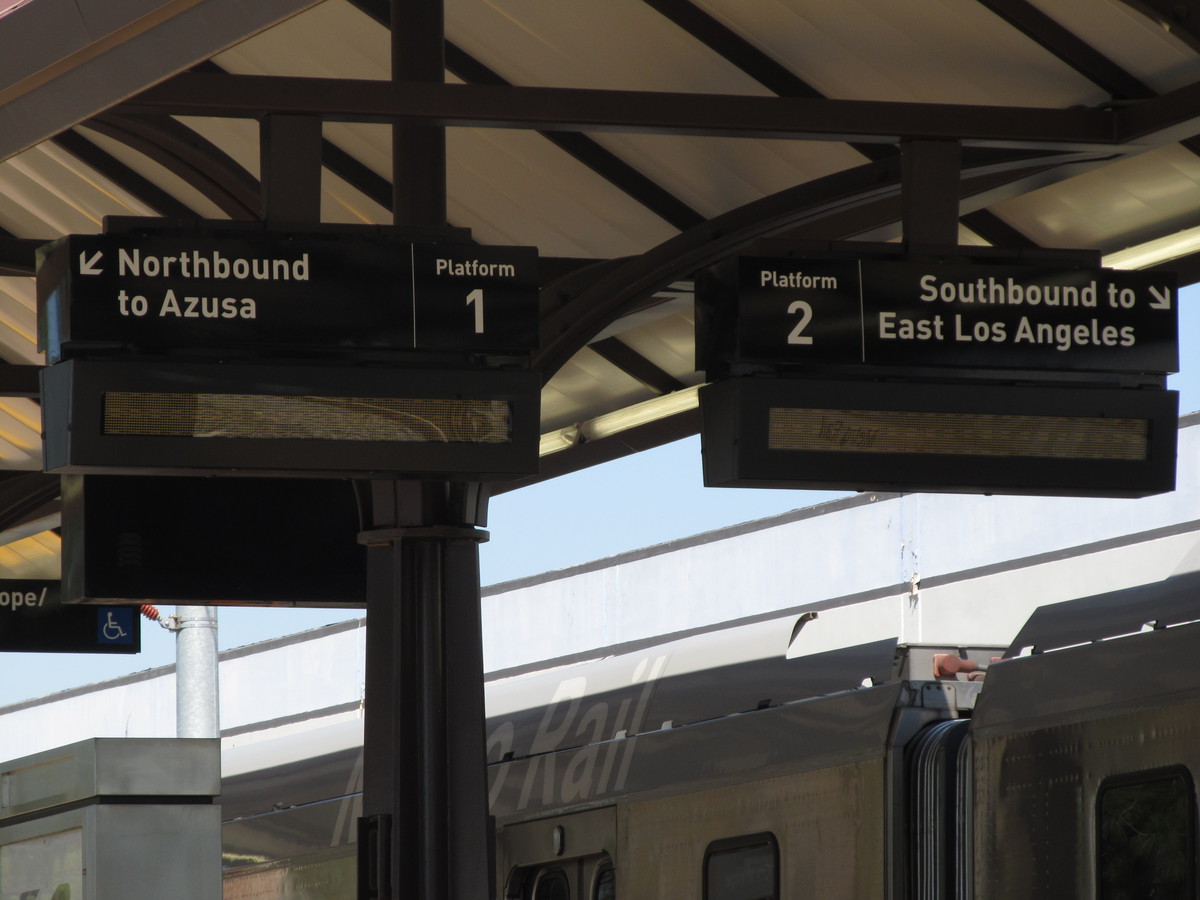
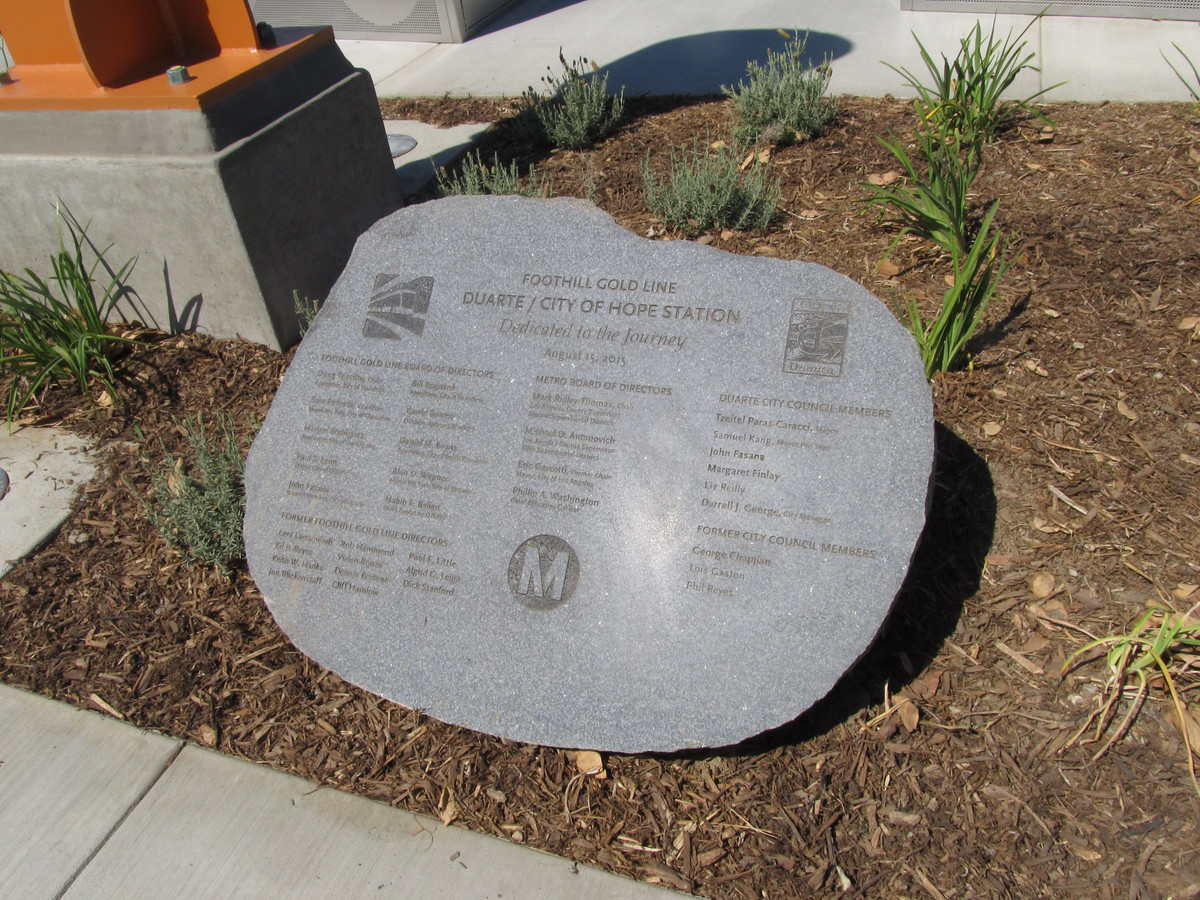
Back in May, Carla and I rode to Monrovia for the dedication of the Metro Operations Campus. And today was the first of the dedications of the new stations that they are finishing up on the Foothill Extension of the Metro Gold Line. Since I’m not going to be able to make the other ones, I made a point to ride out to Duarte for this one.

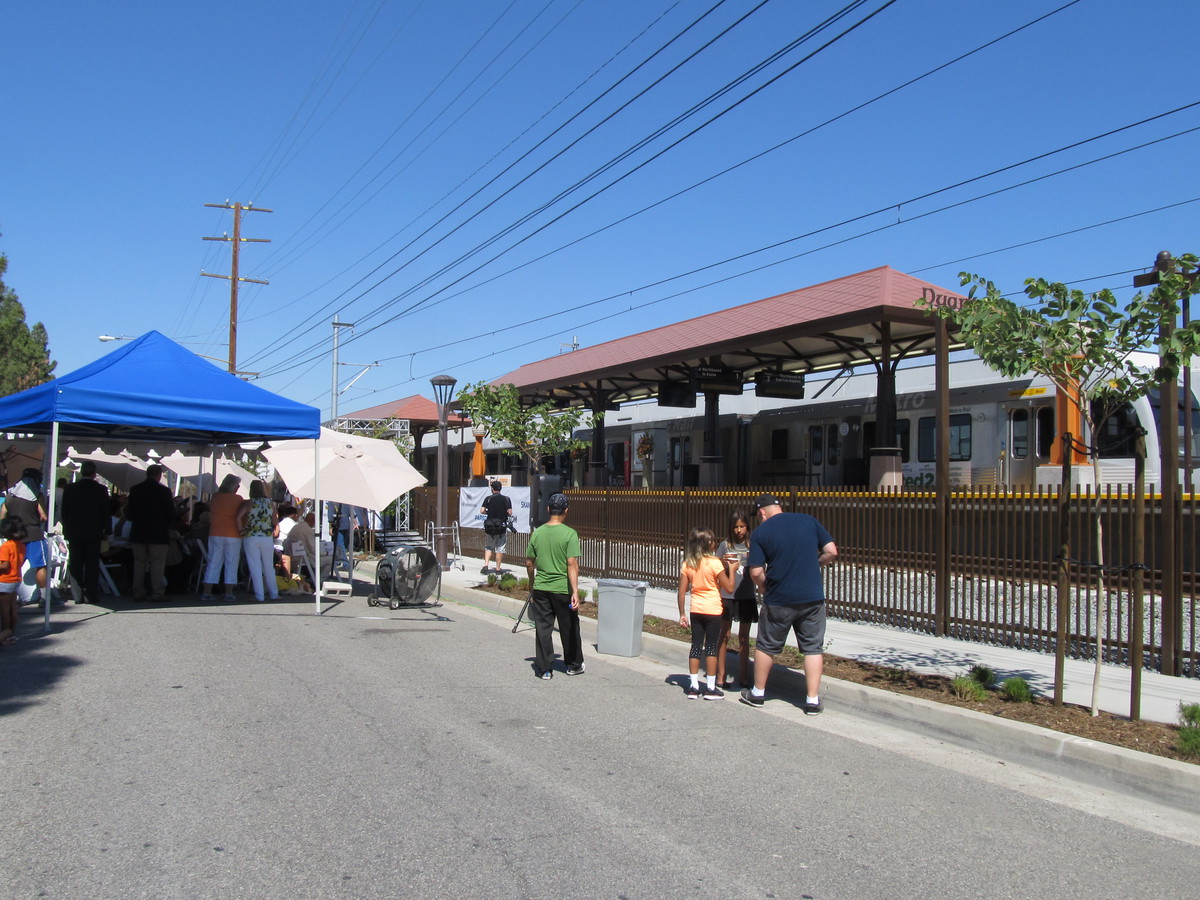
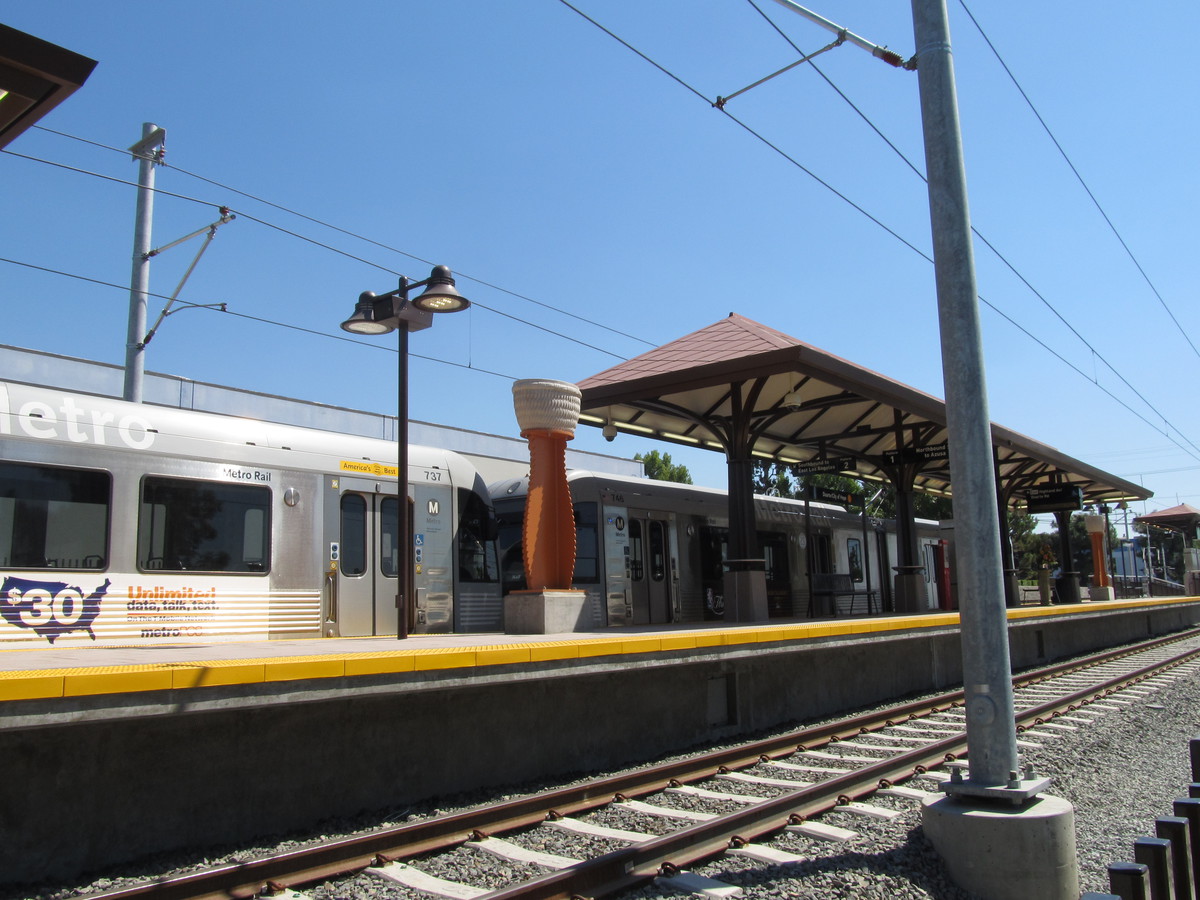
It was very hot today, but the ride out there is only about 10 miles, so it’s not bad, even in the heat. They had a short stretch of Duarte Road closed for the event. There were tents set up for shade, and the dignitaries were making their speeches. The station itself looks like it’s basically complete, although they had it roped off. They had a train parked there, which I guess means that the track from Pasadena to Duarte is passable by train now.

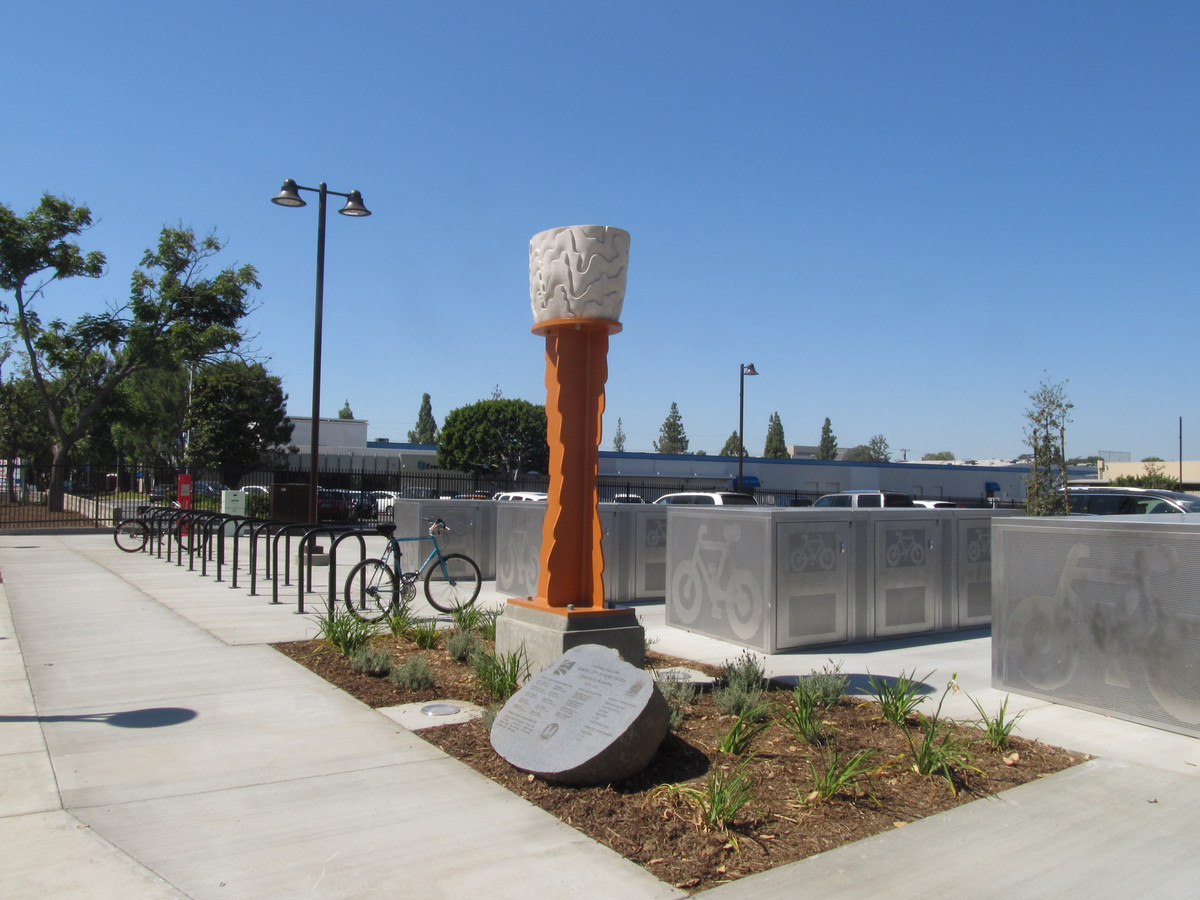
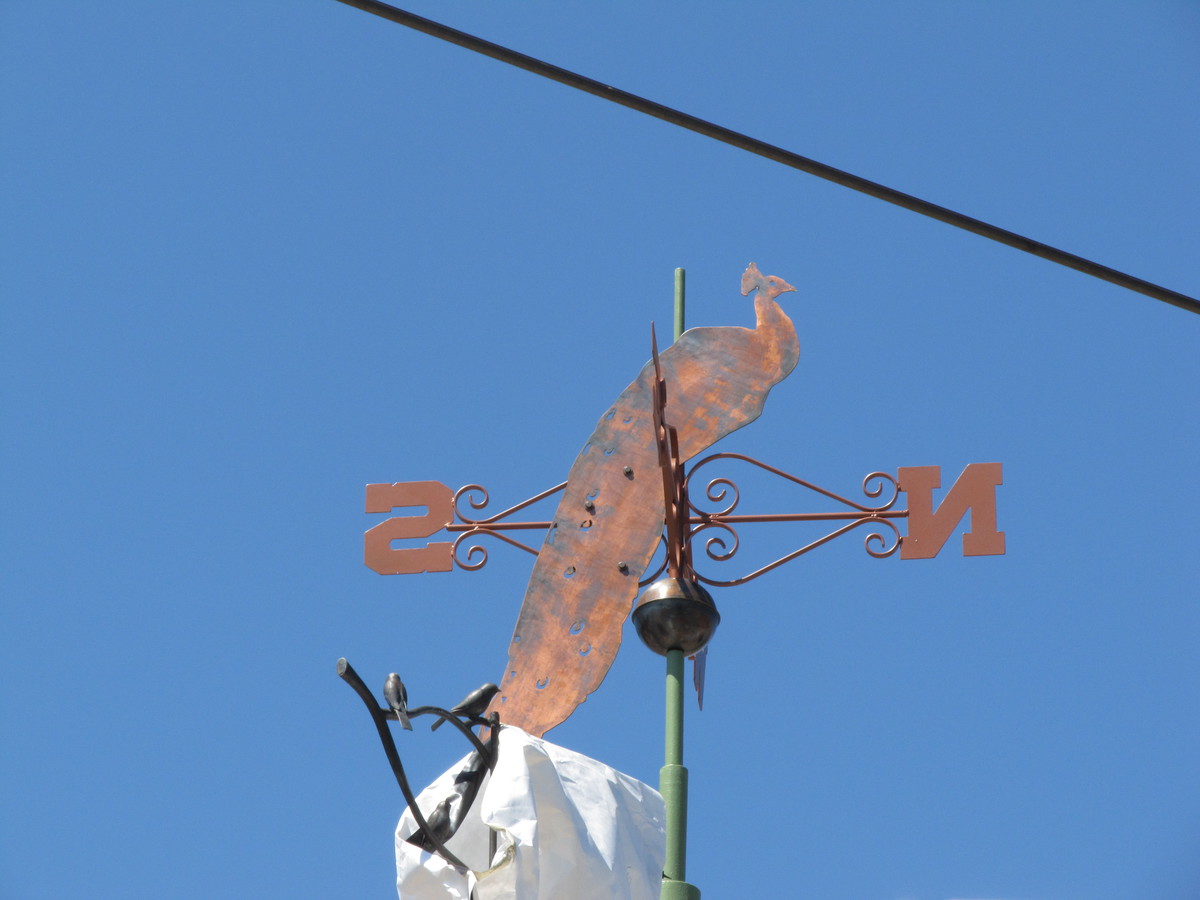
They had a table set up to tell the story of the artwork in the station. Every Metro station has some sort of art in it. The art at the Duarte station has steel pillars with carved limestone at the top. The carvings are supposed to evoke something of the history of the area near the San Gabriel River. Or at least that’s what they told me. In contrast, I passed the Arcadia station on the way out there, and it had a big peacock on it. That seemed appropriate, since Arcadia is known for its large collection of feral peafowl.

They had some cakes there, but I didn’t want to stay out there in the heat until they served them. I did manage to bum some ice from the caterers, so I filled my water bottle with ice and had cold water for part of the ride home.

21 miles.

8/2/2015

Pangolin!

Filed under: — stan @ 7:03 pm

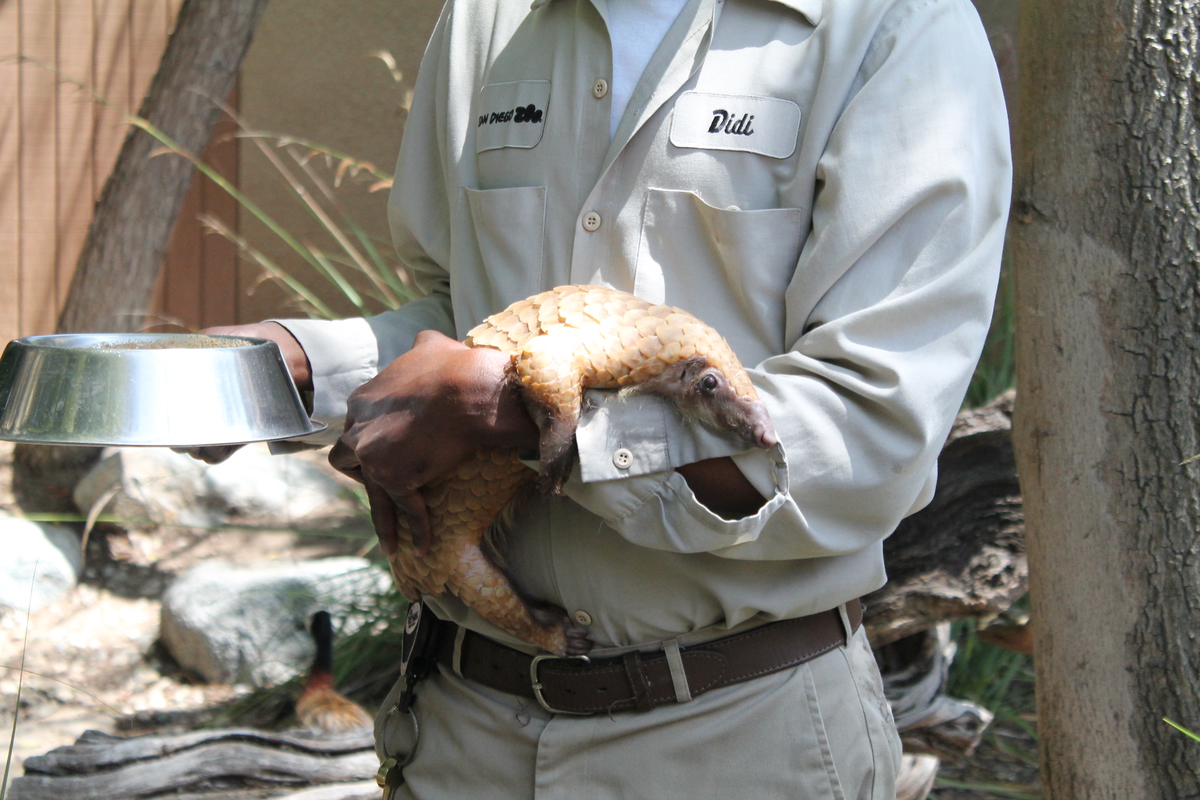
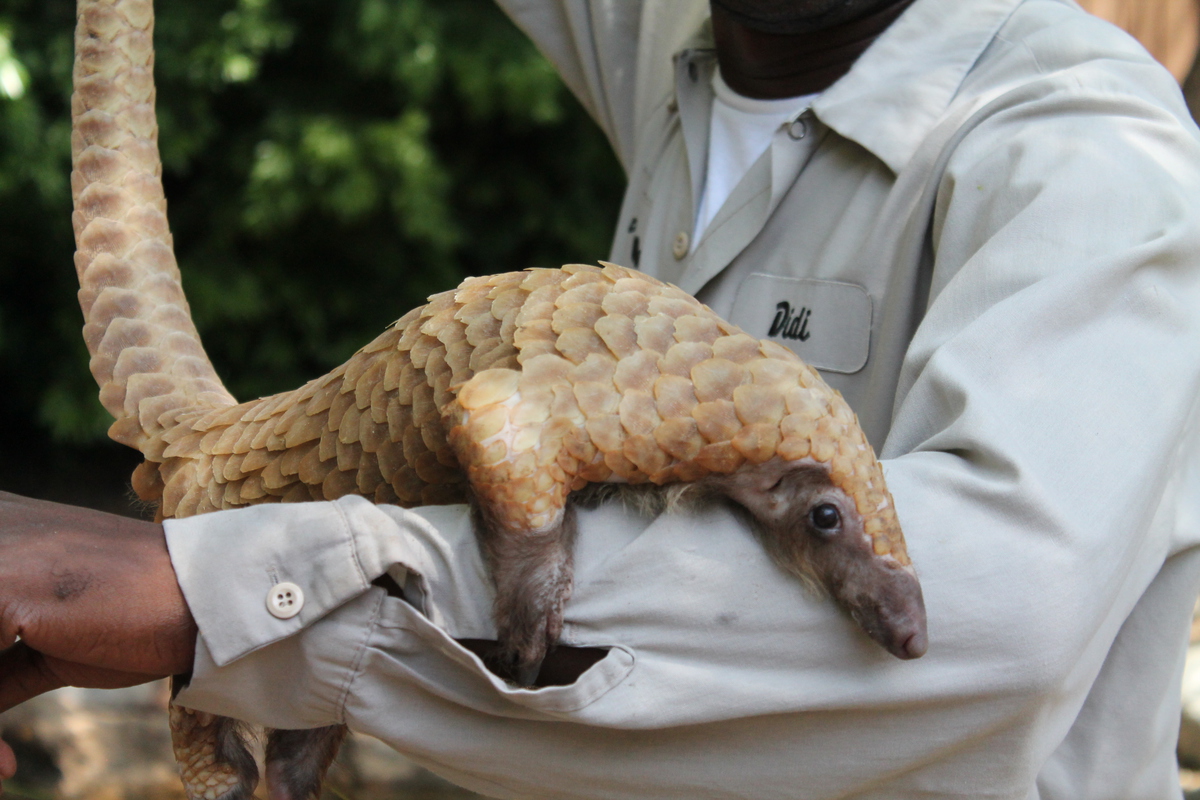
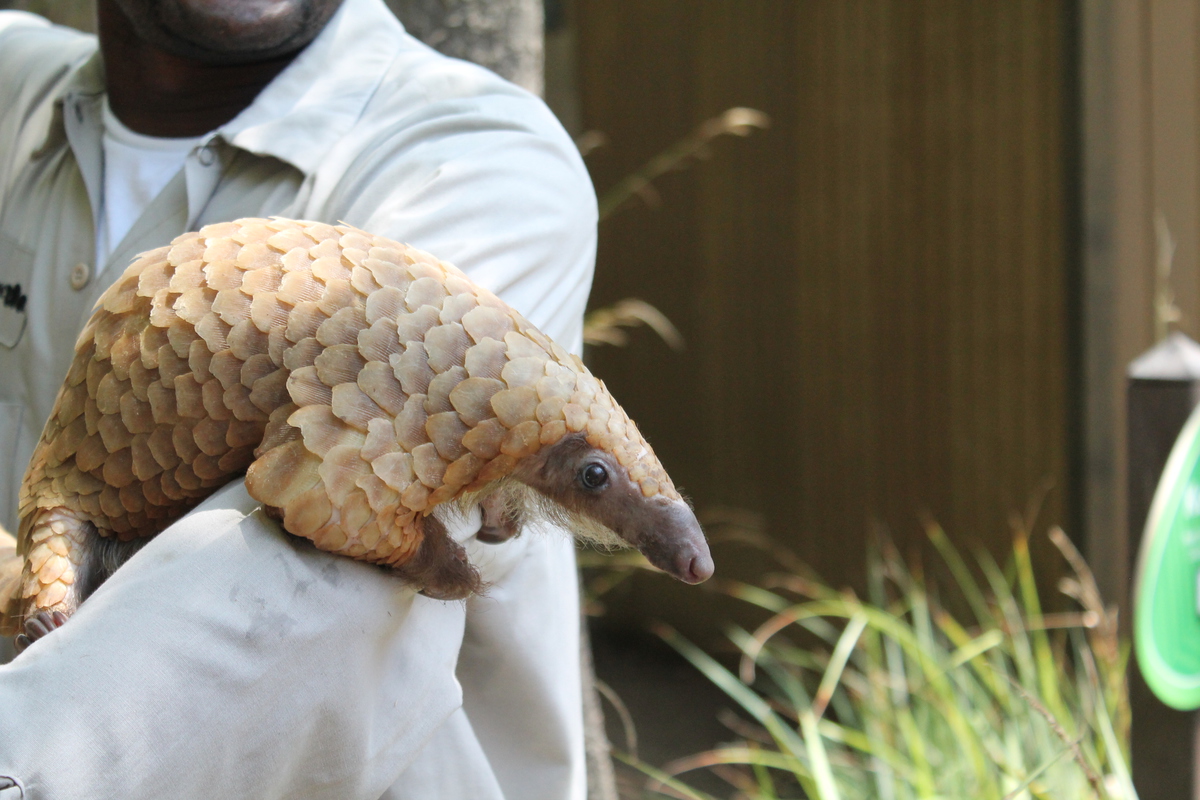
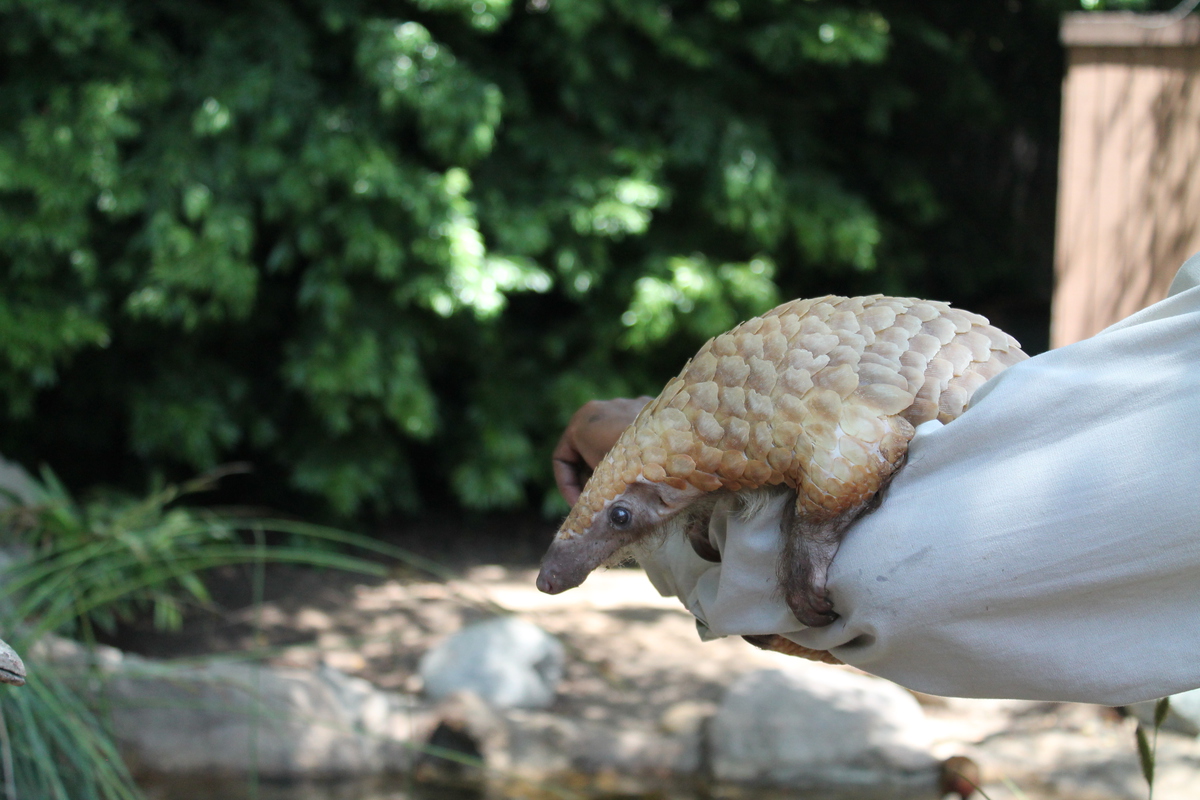
About two years ago, when I was riding the train downtown for stair-climbing practice, I read a short article in National Geographic about the pangolin. The pangolin is an odd little animal that looks like a cross between an armadillo and an anteater, but apparently is not related to either of them. The electronic edition of the article also had a short video of a pangolin walking through the forest. I was immediately fascinated, and I wanted to see one of these animals. Doing some research, I discovered that there is only one zoo in the United States that has a pangolin. That would be the San Diego Zoo, and the animal in not on regular exhibit. They only bring it out with a keeper once a day in the summer for about fifteen minutes. When we went to the zoo last year, we missed it by just a few minutes. Back in June when we were here, I called the zoo to ask about it, and they said that they were not on the summer schedule yet, and so the pangolin would not be making an appearance. So this time, I checked that they are indeed on the summer schedule now, and that the pangolin would be coming out at 1:30.

We got to the zoo at about 1:15, and we set off to look for the place where the keeper would have the pangolin. It turned out to be in a remote corner of the zoo. It was a place we had never been to before. We had to ask directions, and one of the zoo employees took us over there, since he said that he couldn’t describe how to get there. But we made it there, and we waited just a few minutes by the sign before the keeper and the pangolin came out.

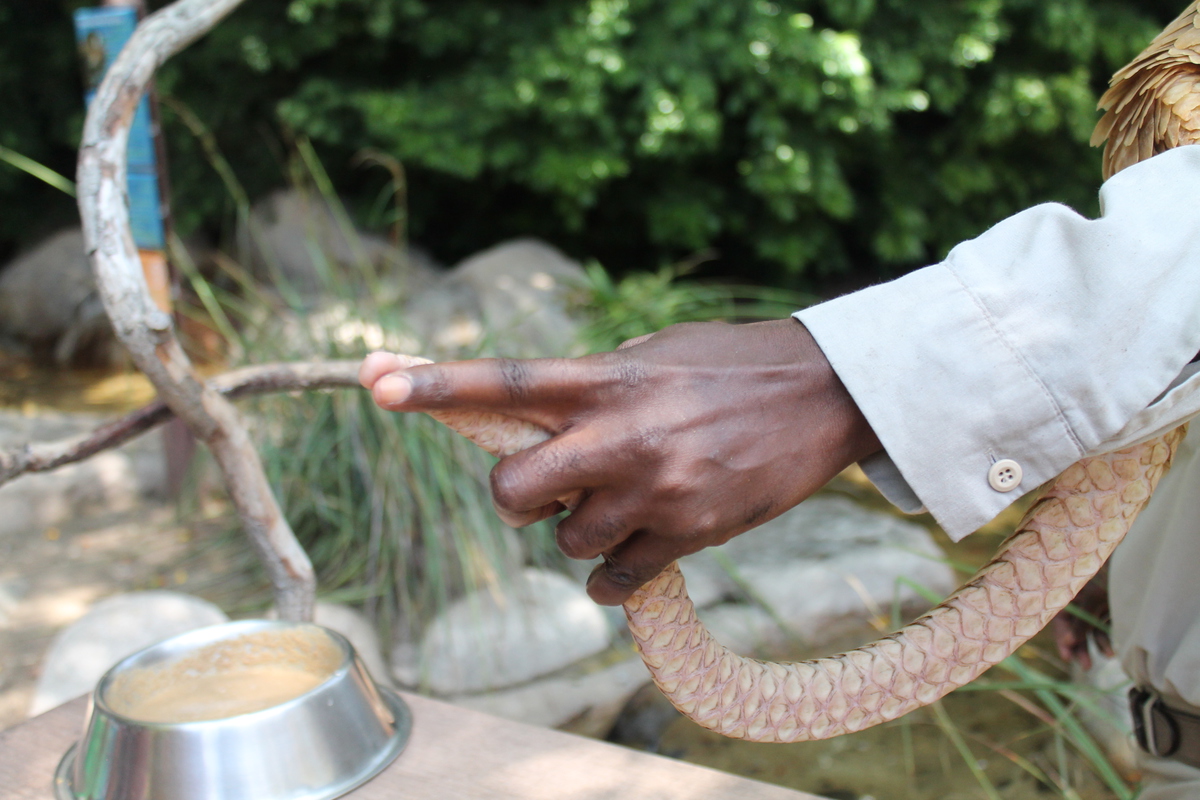
The zoo’s pangolin is a tree pangolin, which is the smallest of the pangolin species. It has a long prehensile tail so that it can hang from branches. The tail is covered by scales, and the tip of the tail looks like a finger, complete with a fingernail. All in all, it is one weird little animal, and I’m glad we finally got to see it up close.

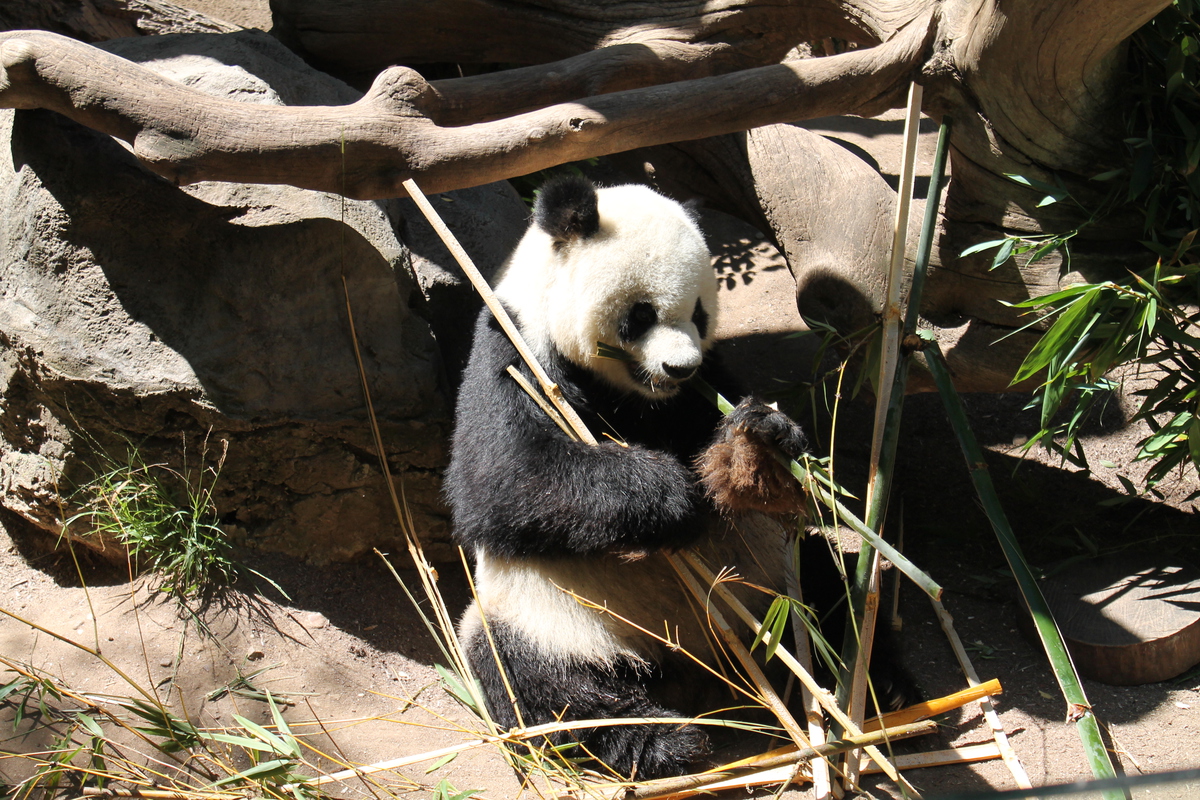
The pangolin was the main attraction of the day. After seeing it, we went down the canyon to see the giant pandas. One was taking a break off-exhibit, but the second was sitting out and eating bamboo. The keeper said that the pandas have massive jaw muscles, since the bamboo they crack open to eat is tough like bones, so they need very strong jaws and teeth.
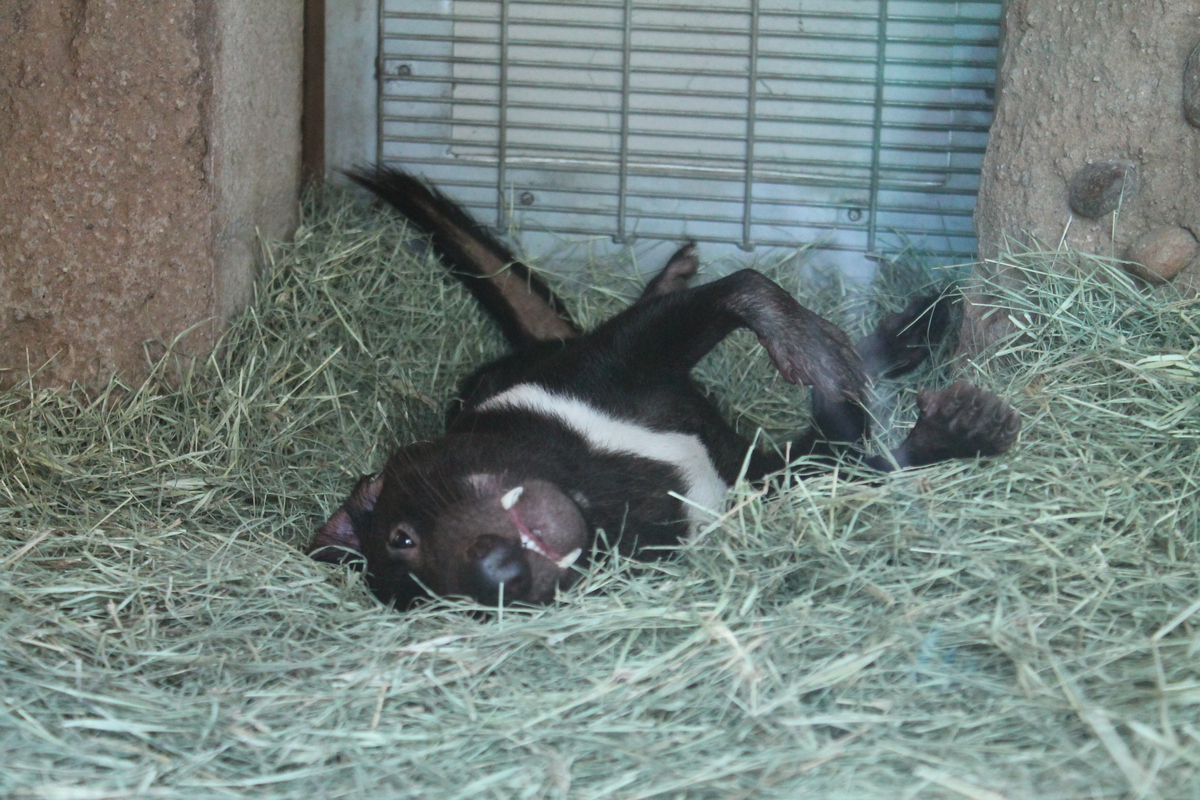
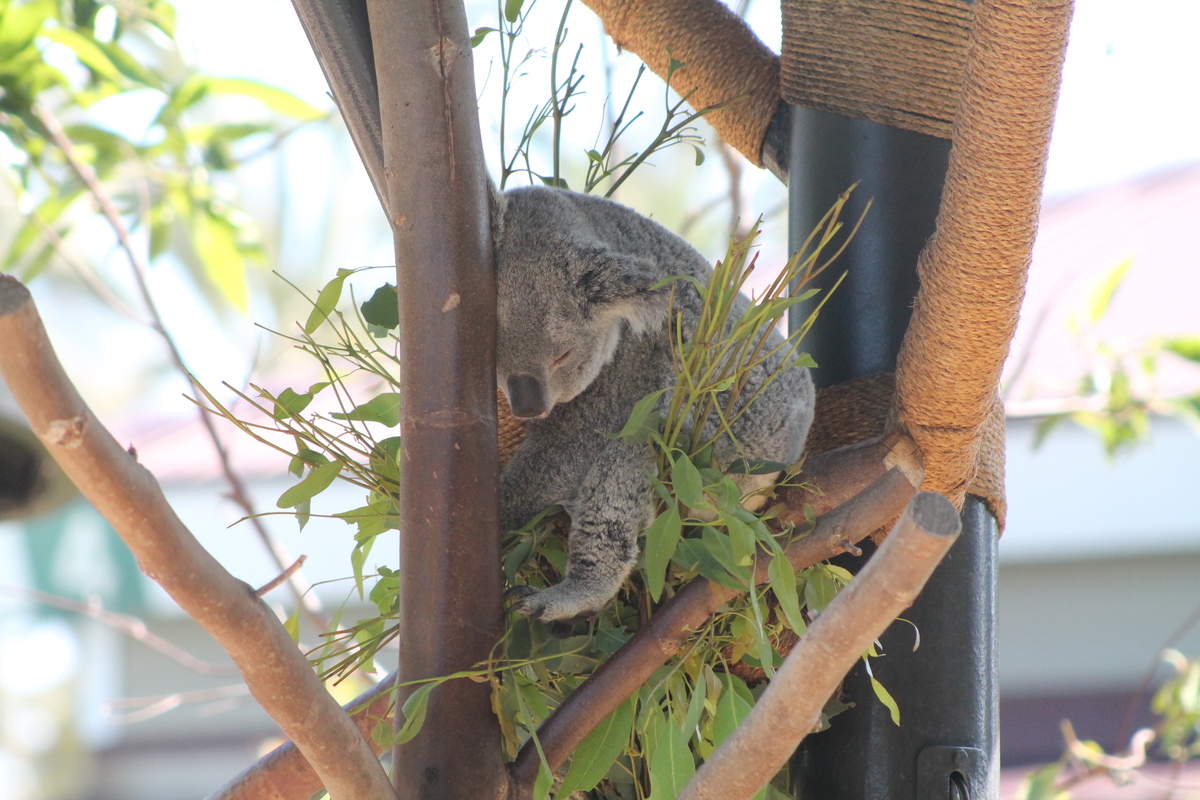
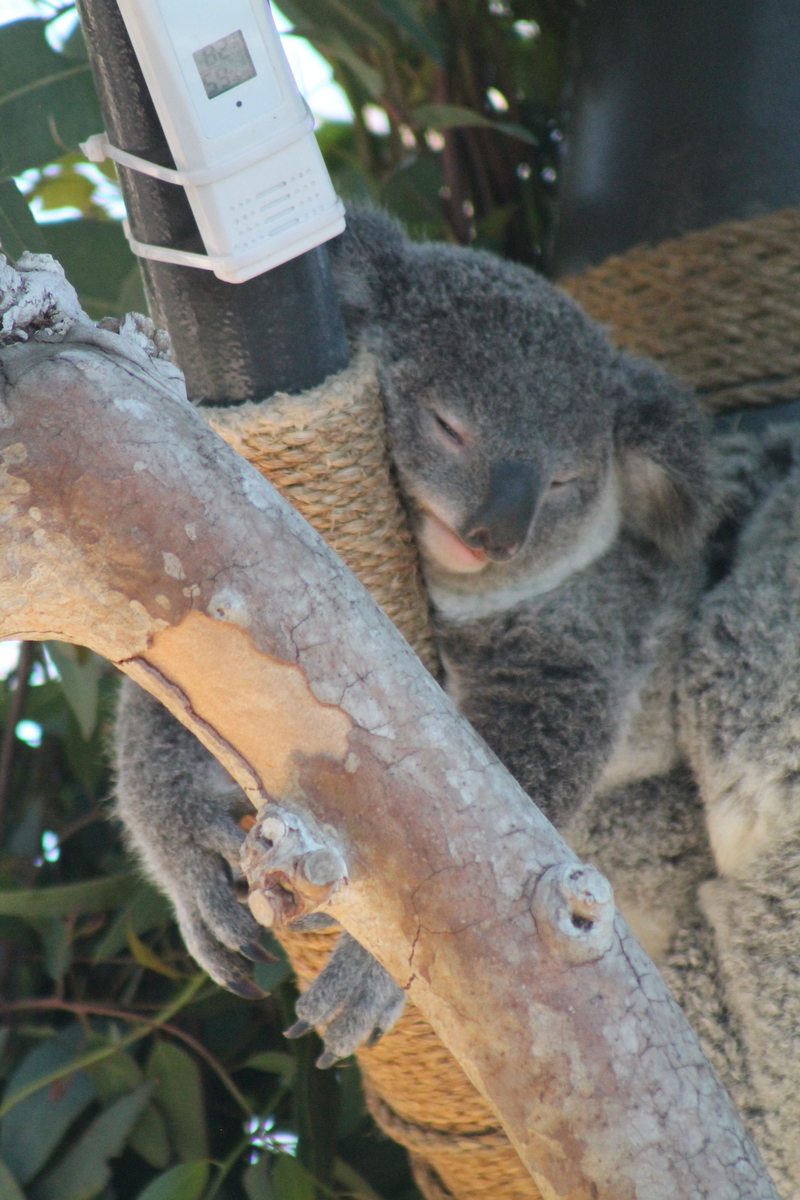
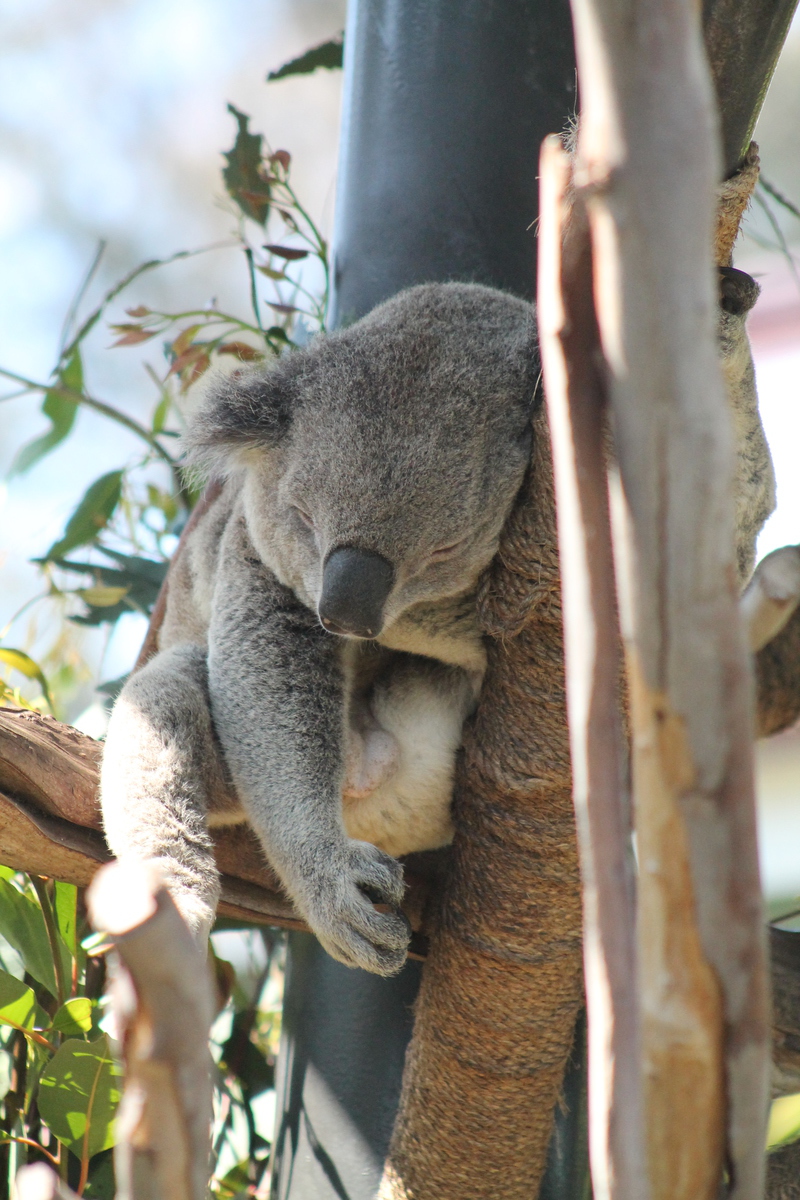
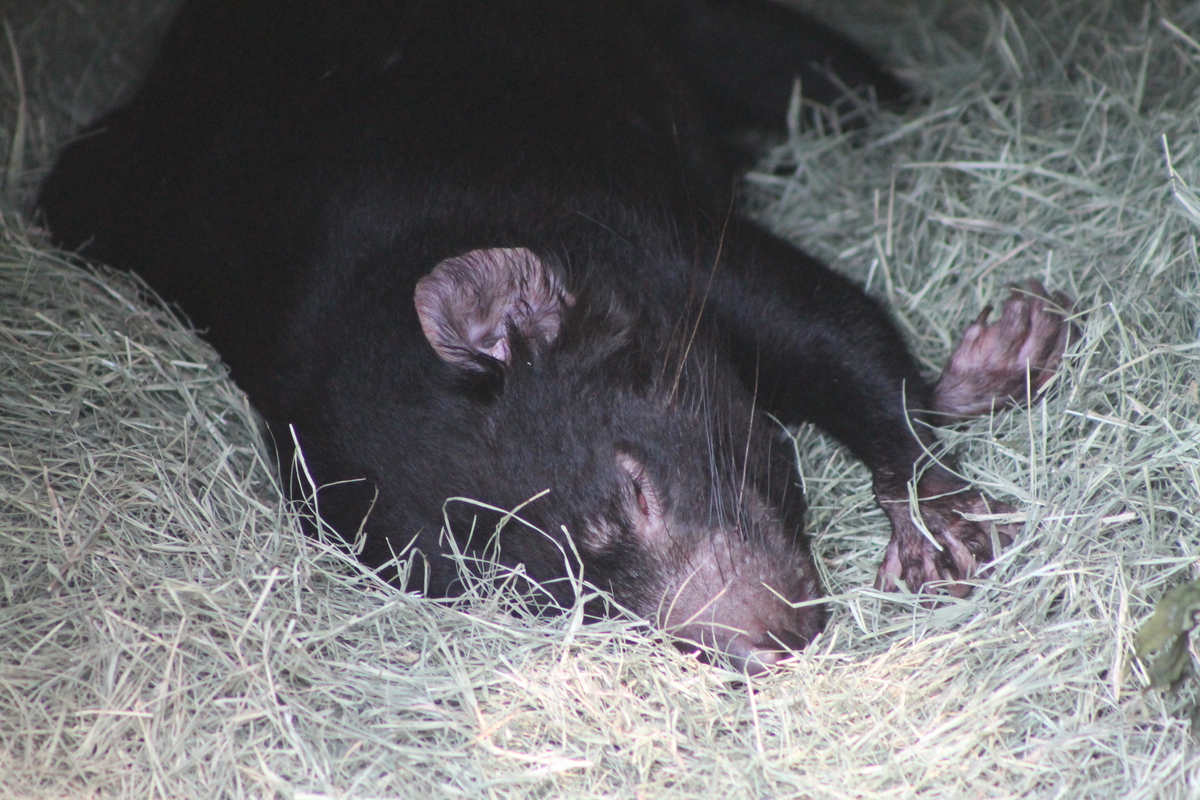
After the pandas, we took a walk to the Australia exhibit to see the koalas. They were all sleeping in their trees. We only could see one baby koala this time. Then we went over to see the Tasmanian Devils. They were all sleeping, too. They’re kind of cute in a ferocious way. Just look at those fangs. And that made our day complete. We’d seen the fabled pangolin, so we headed for home.

7/26/2015

That’s an even bigger telescope…

Filed under: — stan @ 1:26 pm

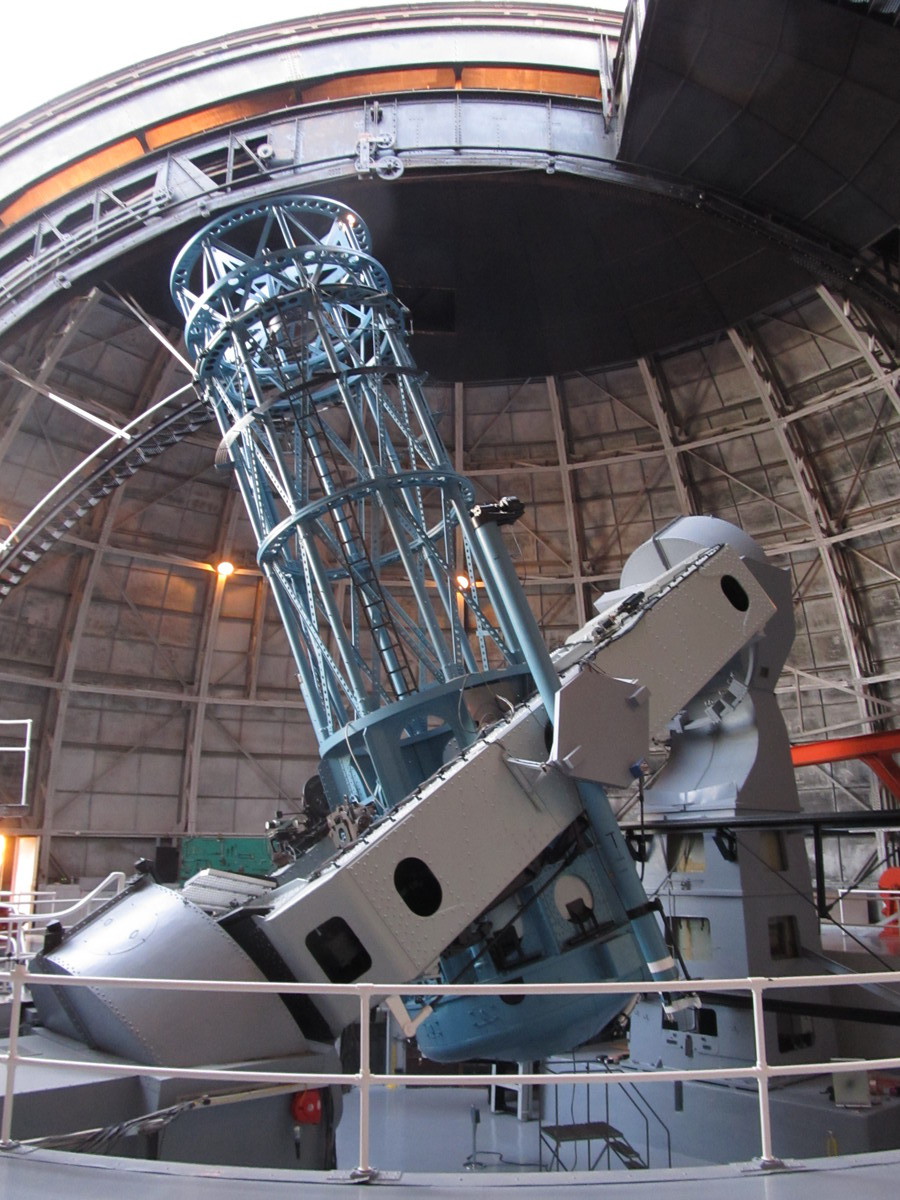
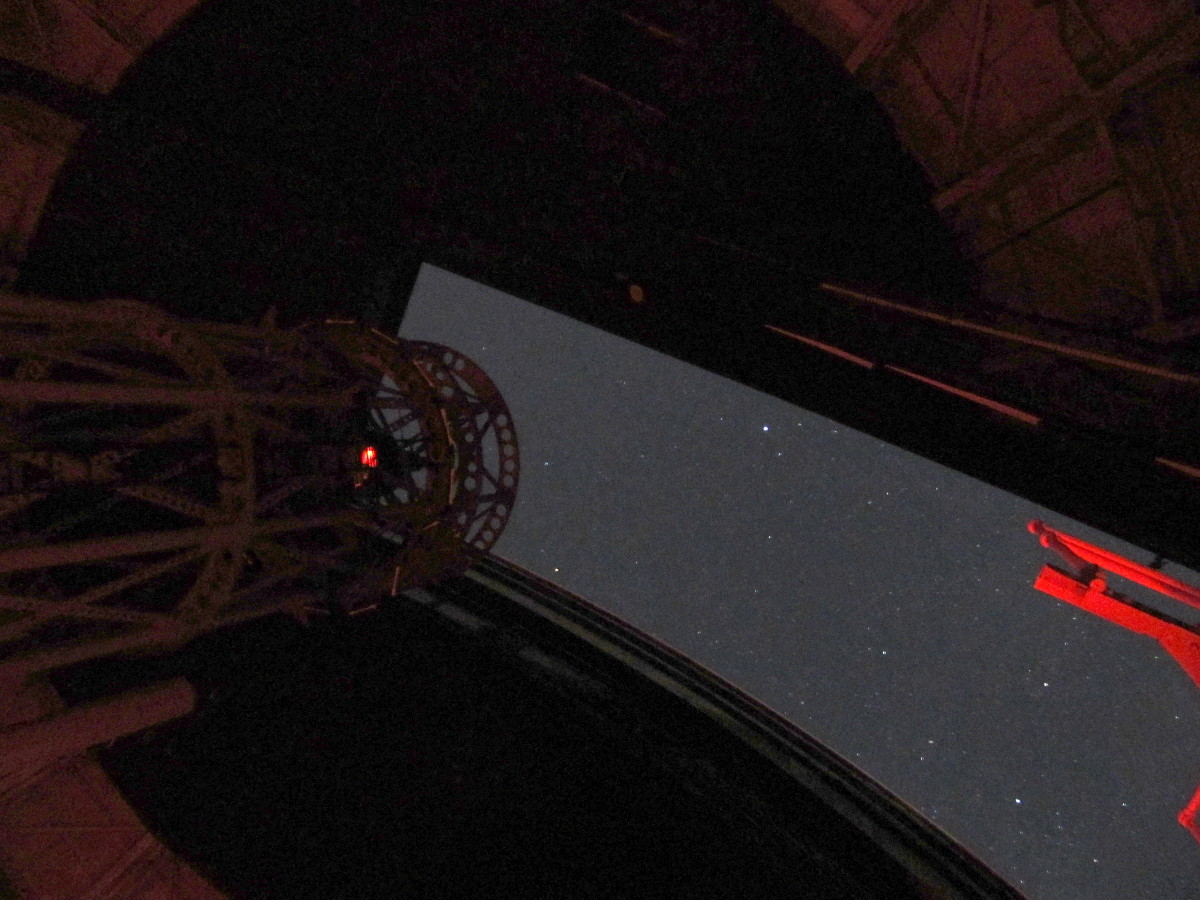
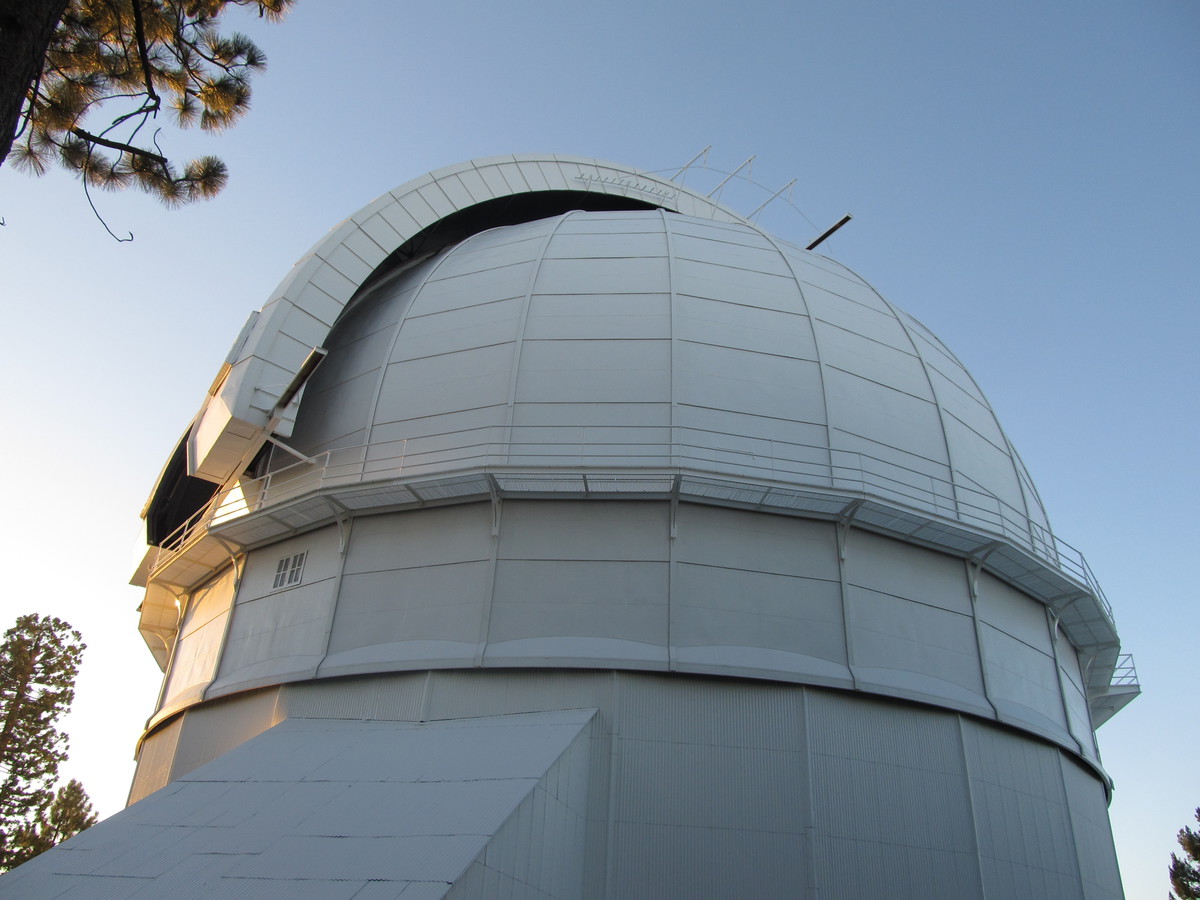
Last September, we went to Mt. Wilson for an evening with the 60-inch telescope. But last spring, I got a notice from the Atlas Obscura people that they were going to be doing an evening with the 100-inch telescope. That telescope is the one that Edwin Hubble used to discover Cepheid variable stars in the Andromeda nebula, which enabled him to establish that it was in fact another galaxy. This was a major discovery, since it proved that the universe consisted of far more than just our galaxy. It was also the telescope he used to discover the expansion of the universe. All told, it’s a big piece of astronomical history.

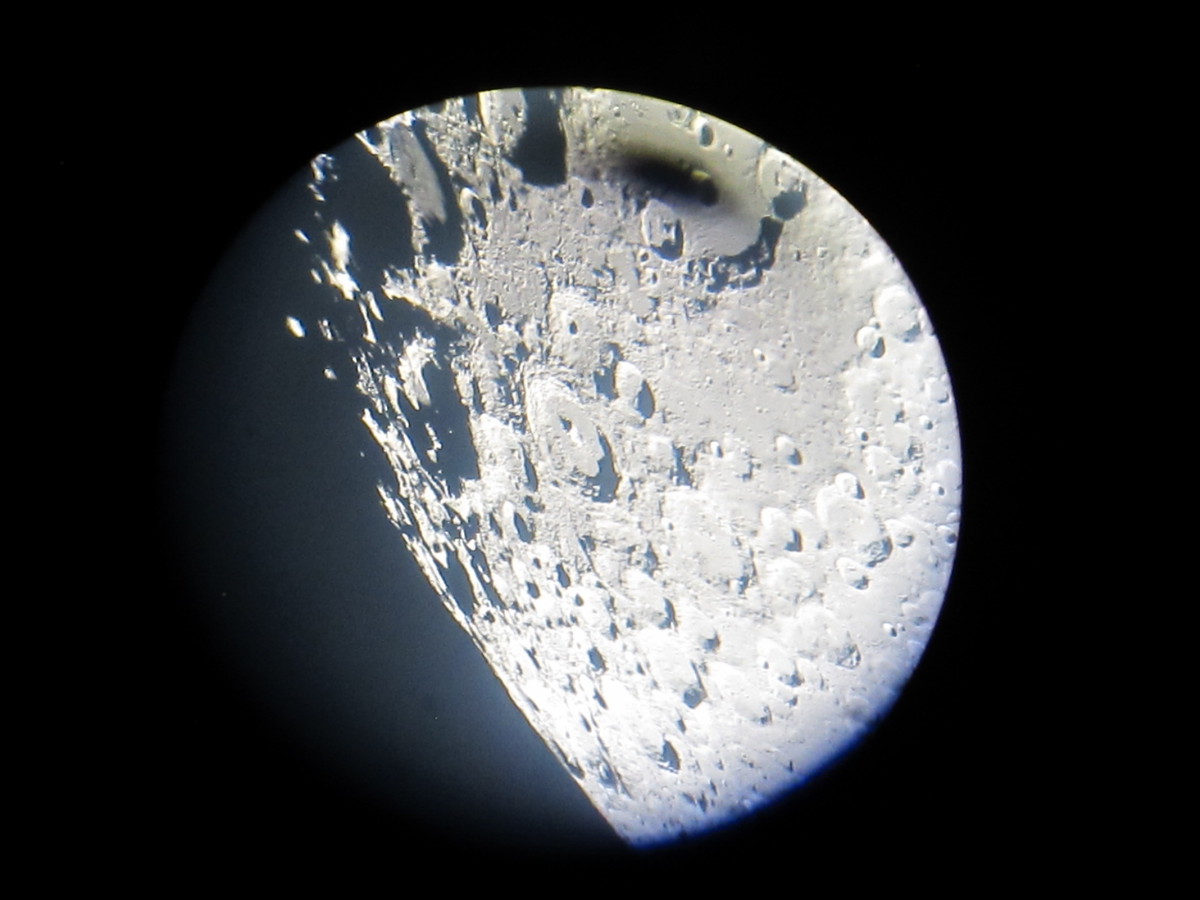
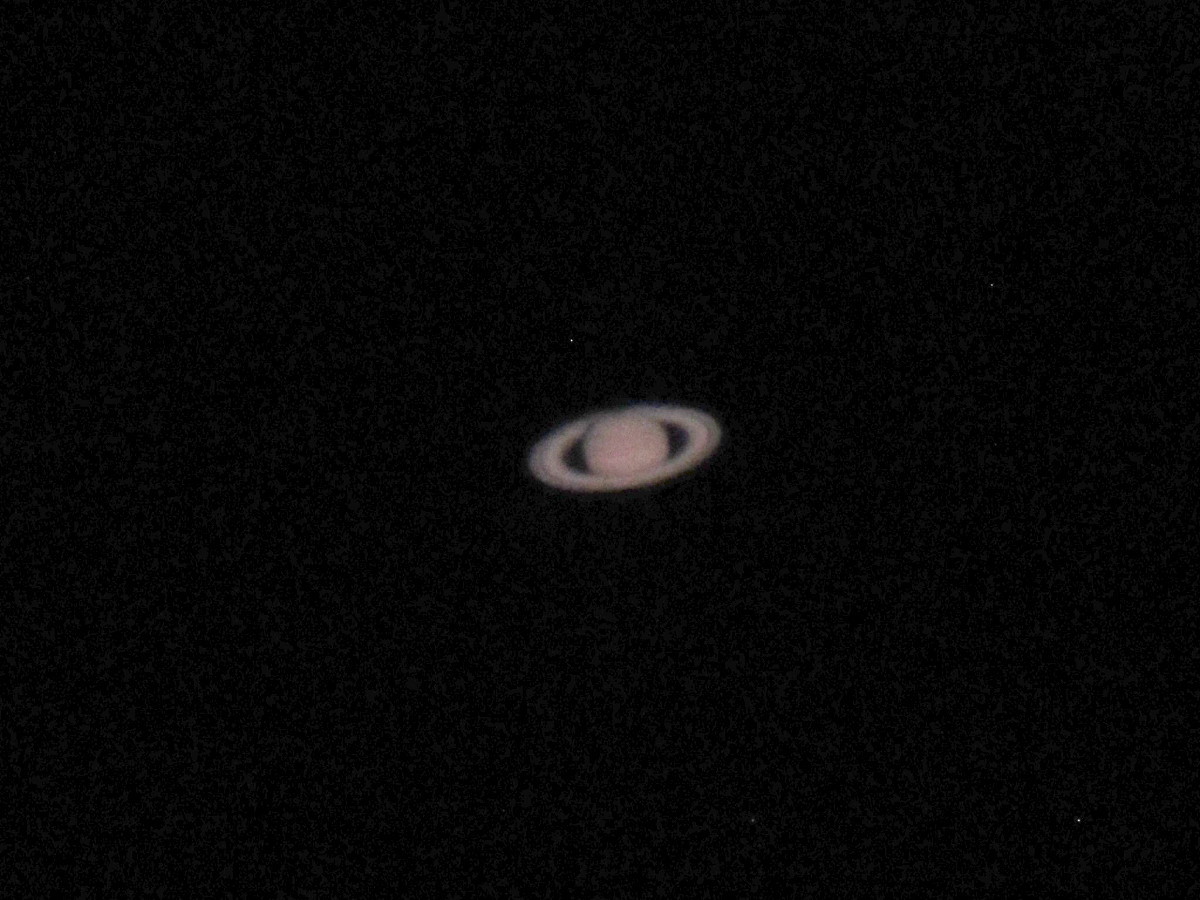
Our group met up in La Cañada before heading up Mt. Wilson. At the top, our session director, Shelly Bonus met us and led us back to the telescope. Inside, we got a tour of the dome while we were waiting for nightfall. As it started to get dark, they pointed the telescope at the moon so that we could have a look. The magnification on such a big telescope is pretty large, and we could only see a few craters in the small field of view. After that, they moved the telescope just a bit to have a look at Saturn. The Cassini Division was clearly visible, and this was the first time I’ve ever seen the C-ring. The planet also showed some nice color, and bands in the clouds.

Next up was M13, the big globular cluster in Hercules. I didn’t recognize it in the big telescope. In my little telescope, it looks like a ball of fuzz. But here it was big, and it was resolved into stars. Many, many stars. Then we moved just a short distance away to M92, which is a smaller globular cluster. It didn’t fill the field of view, so it was more easily recognized as a globular. We looked at a few double stars just to admire the resolution of the big telescope. Then we looked at Campbell’s Hydrogen Star. The nebula around the star was a deep red color, and it looked good. All in all, it was a fun time in a geeky way.

6/26/2015

The Miniature Engineering and Craftsmanship Museum

Filed under: — stan @ 6:32 pm

A few weeks ago, my friend Bruce sent me a link about a museum in Carlsbad that exhibits working models of airplanes, boats, trains, and so forth, with miniature working engines. Since I was headed to San Diego this weekend for the Towerthon, I thought this might be a good side trip.

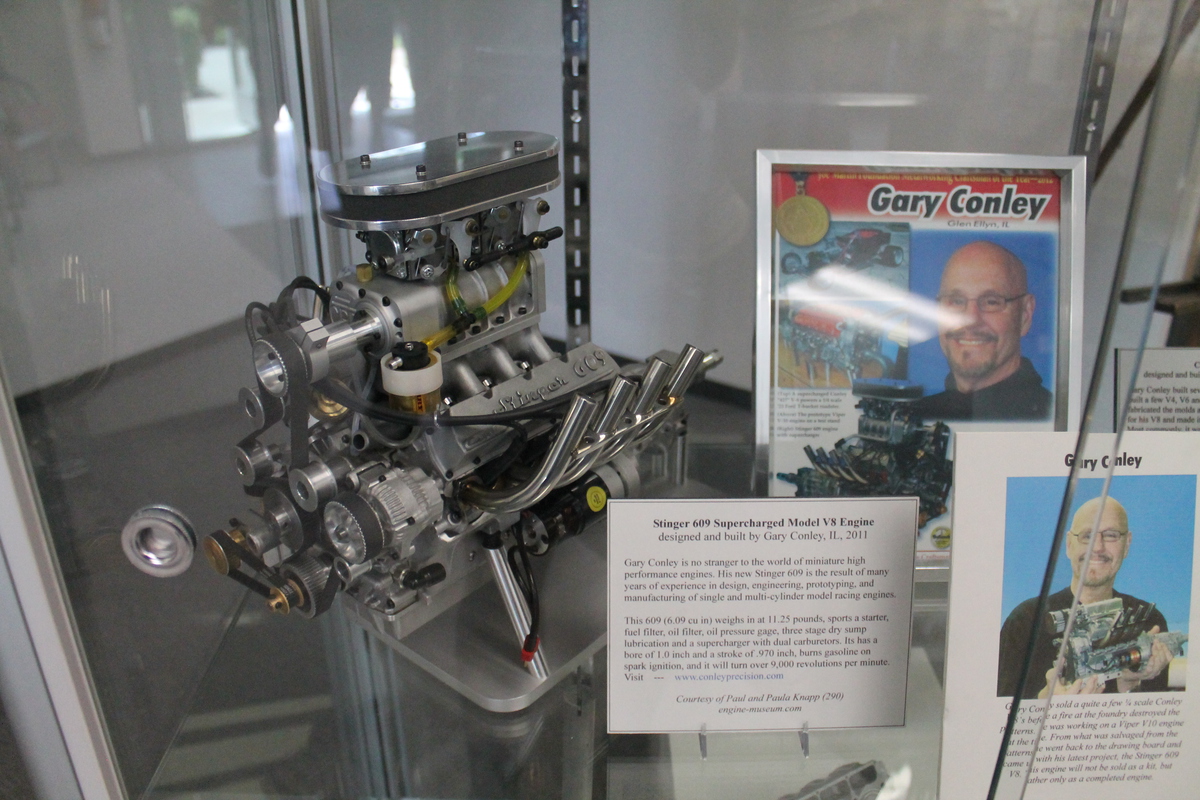
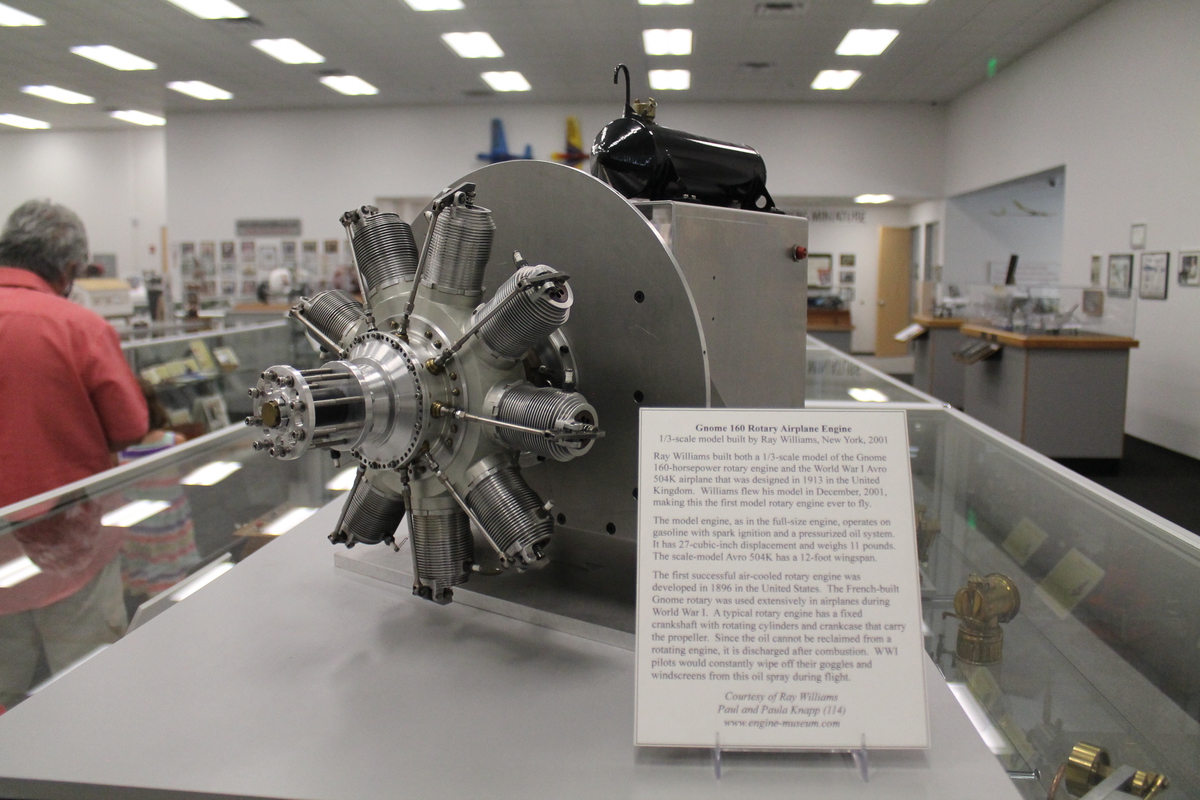
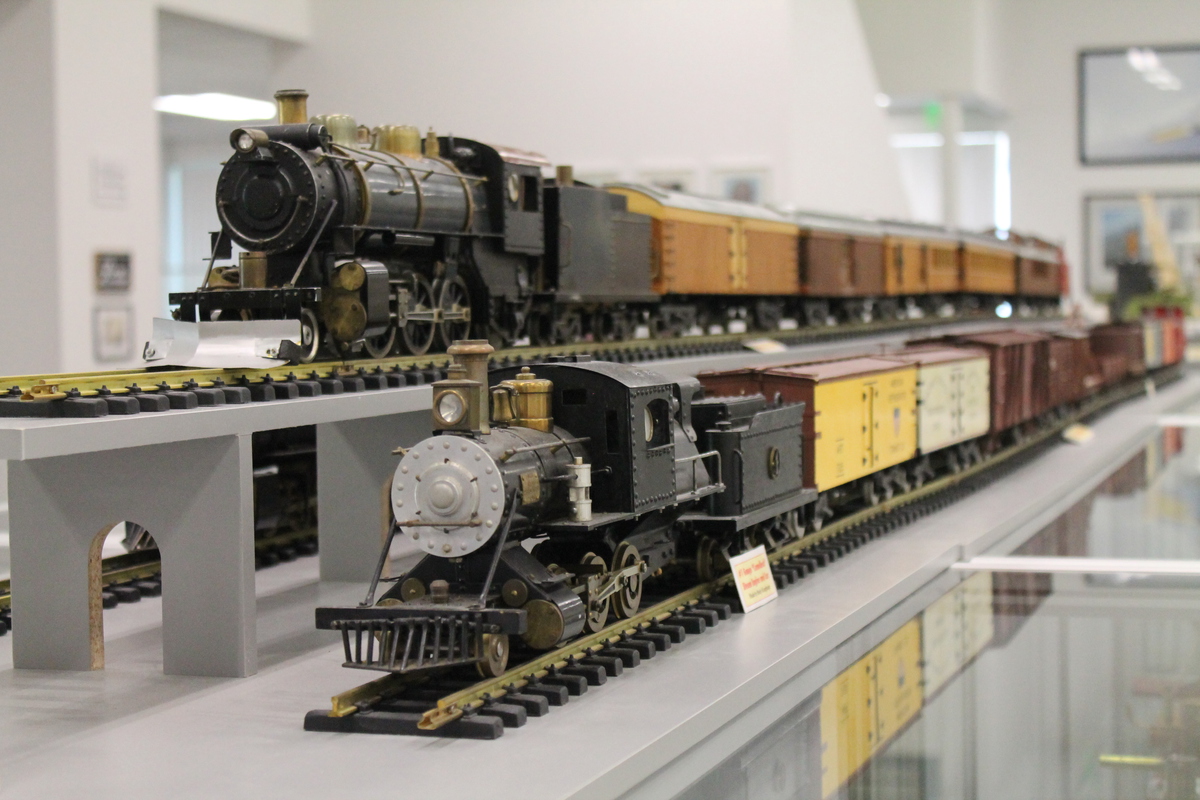
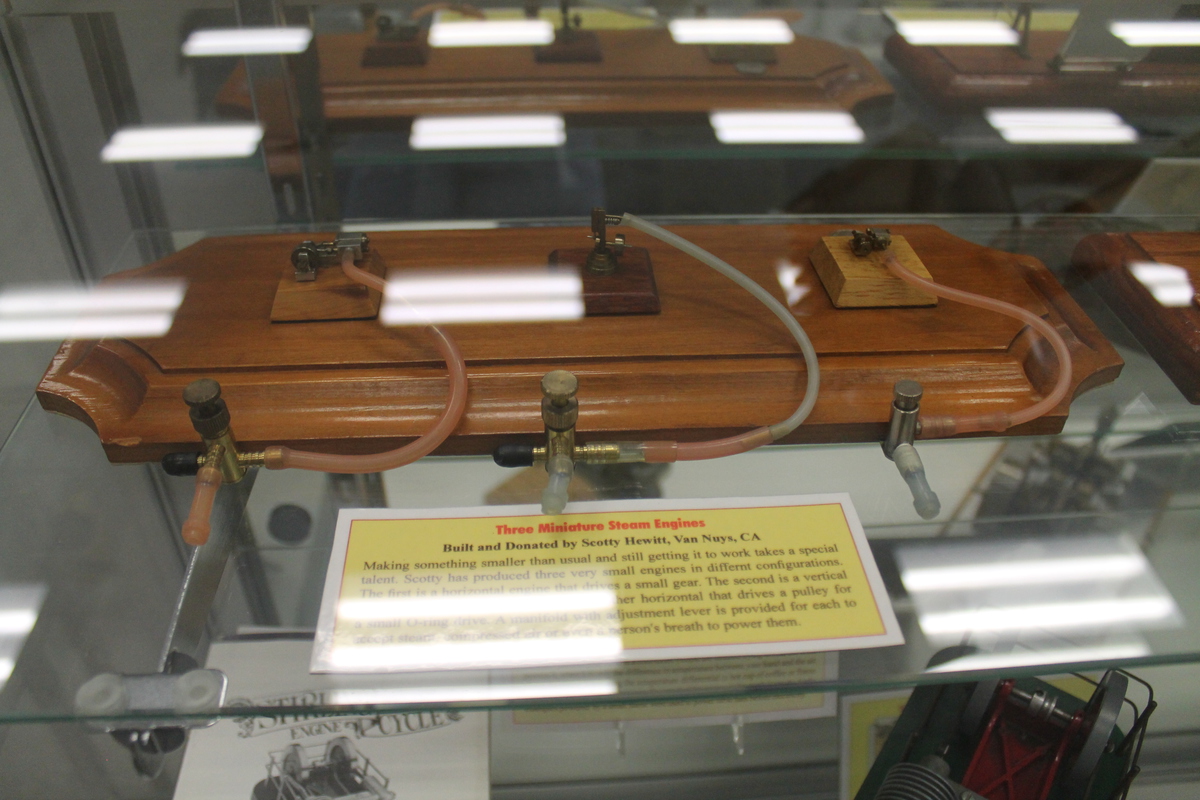
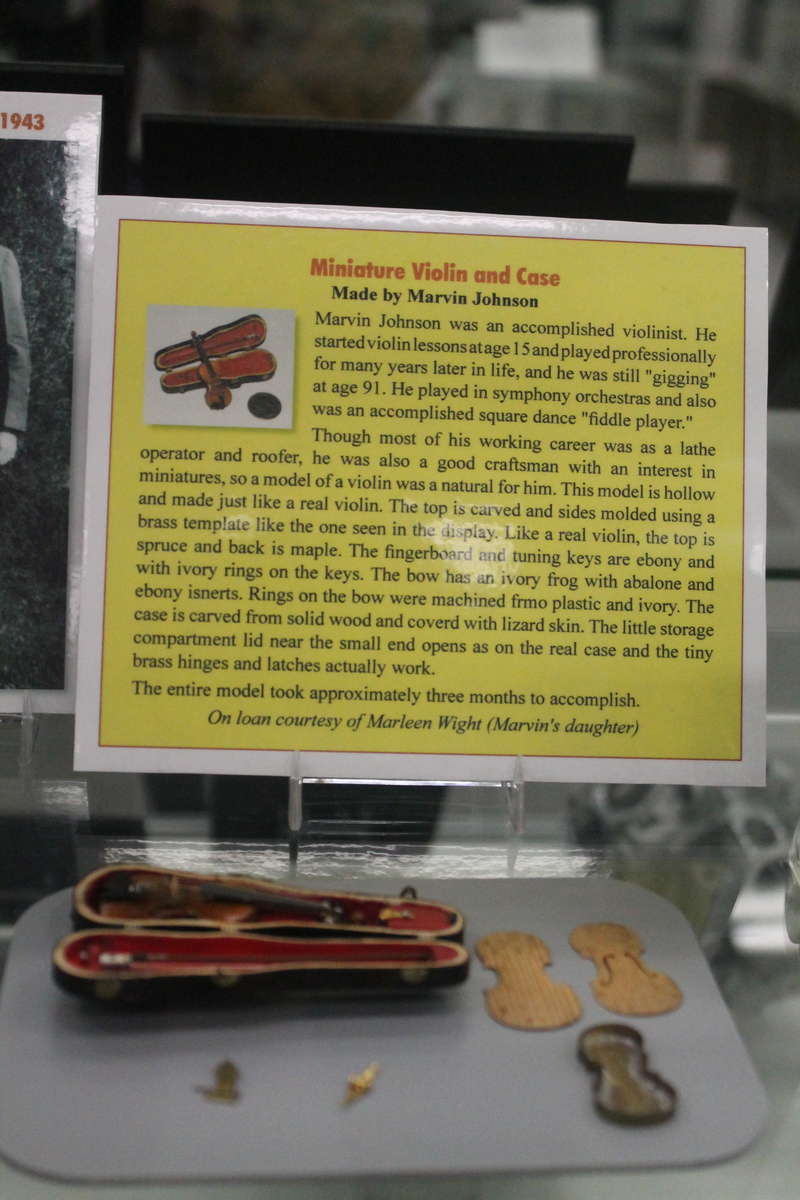
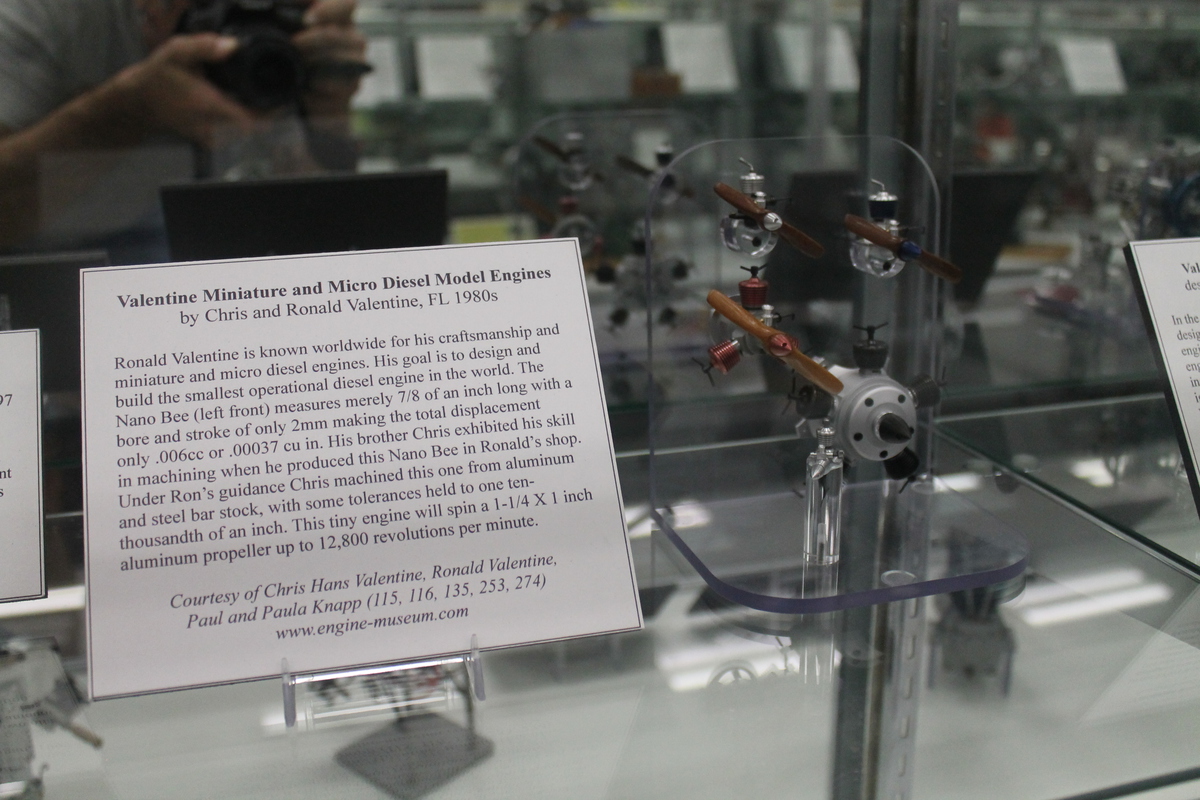
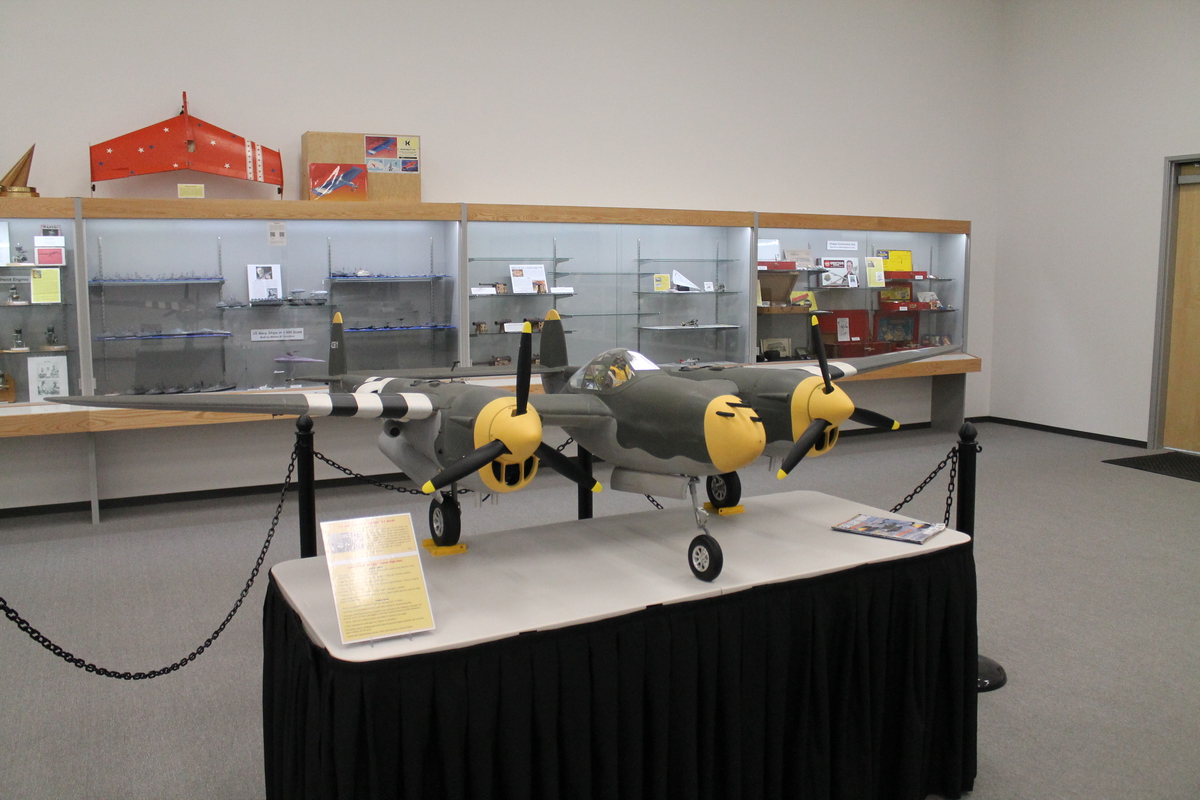
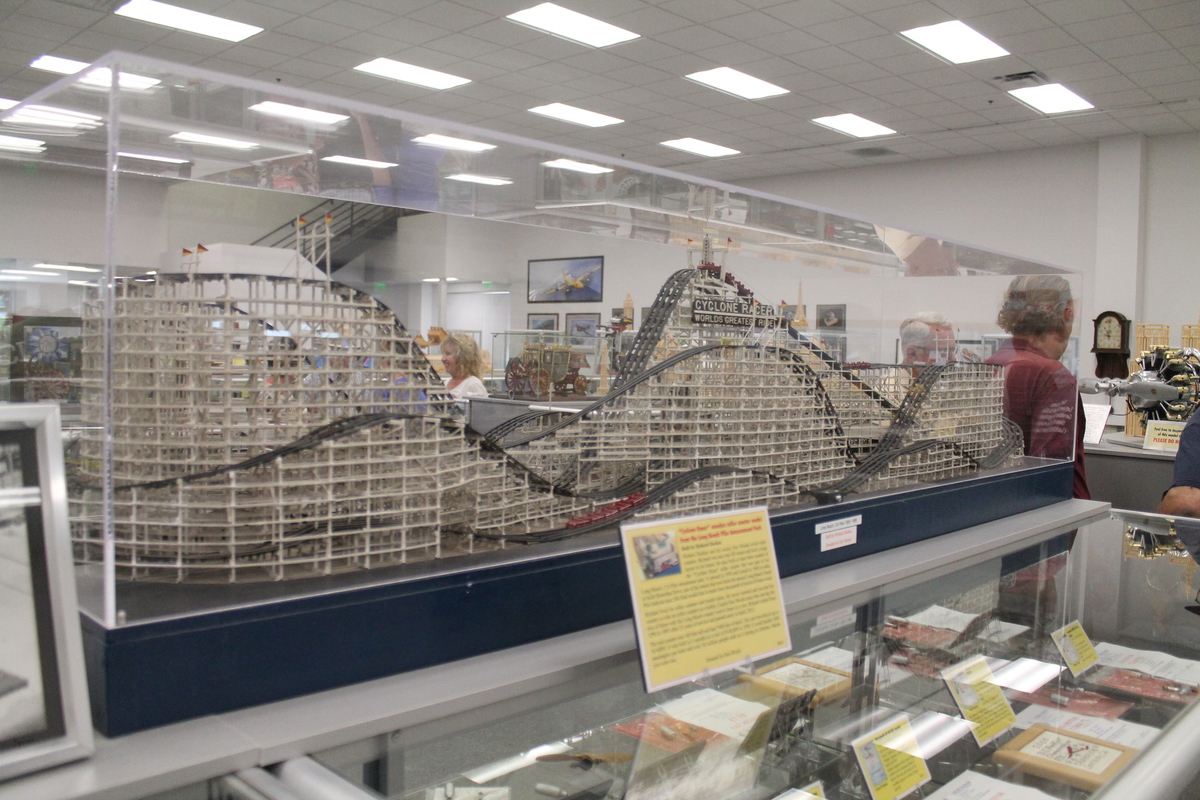
The museum is in an unassuming industrial-looking building kind of off the beaten path. Fortunately, I had Waze to tell me how to get there, or I would have had trouble finding it. When I got there, I went inside, and immediately saw the featured exhibit. A tiny scale model of a supercharged V-8 engine. Apparently, it’s fully functional. Yikes. I wandered around the museum, looking at all the tiny engines. There was a board with some tubes attached to it that said it was three miniature steam engines. They were so small I had to look carefully to see them at all. At the back of the museum, they had a model of the Wright Flyer, and a working model of a P-38 fighter. Then, along the back wall, they had a display of miniature steam engines, all hooked up to a compressed air supply, and the sign said that they would run the engines and give a tour of the machine shop at 2:00. Since that was just a few minutes away, I decided to stay and see it. When the time came, they turned on the air, and all the little steam engines started running:

After looking at the tiny model of the Titanic’s engine, we went into the machine shop. The first stop was the “Do-Nothing Machine”, which was featured on Roadside America last year. Our guide described it as “a cat toy for humans”. It was pretty funny:

Next, they showed us four different tiny working engines. There were two different gasoline engines, one Stirling engine, and a fourth of a type that I didn’t recognize at all. Here is the first gasoline engine running:

The last part of the tour showed us another radial airplane engine that they are building there. They even had a model of the model to show us how the inside of the crankcase worked. I’d always wondered how cylinders in a circle could turn a crank, and now I know.

This was one entertaining little museum. At least for anyone with a mechanical and geek bent.


5/31/2015

Ciclavia Pasadena

Filed under: — stan @ 1:41 pm

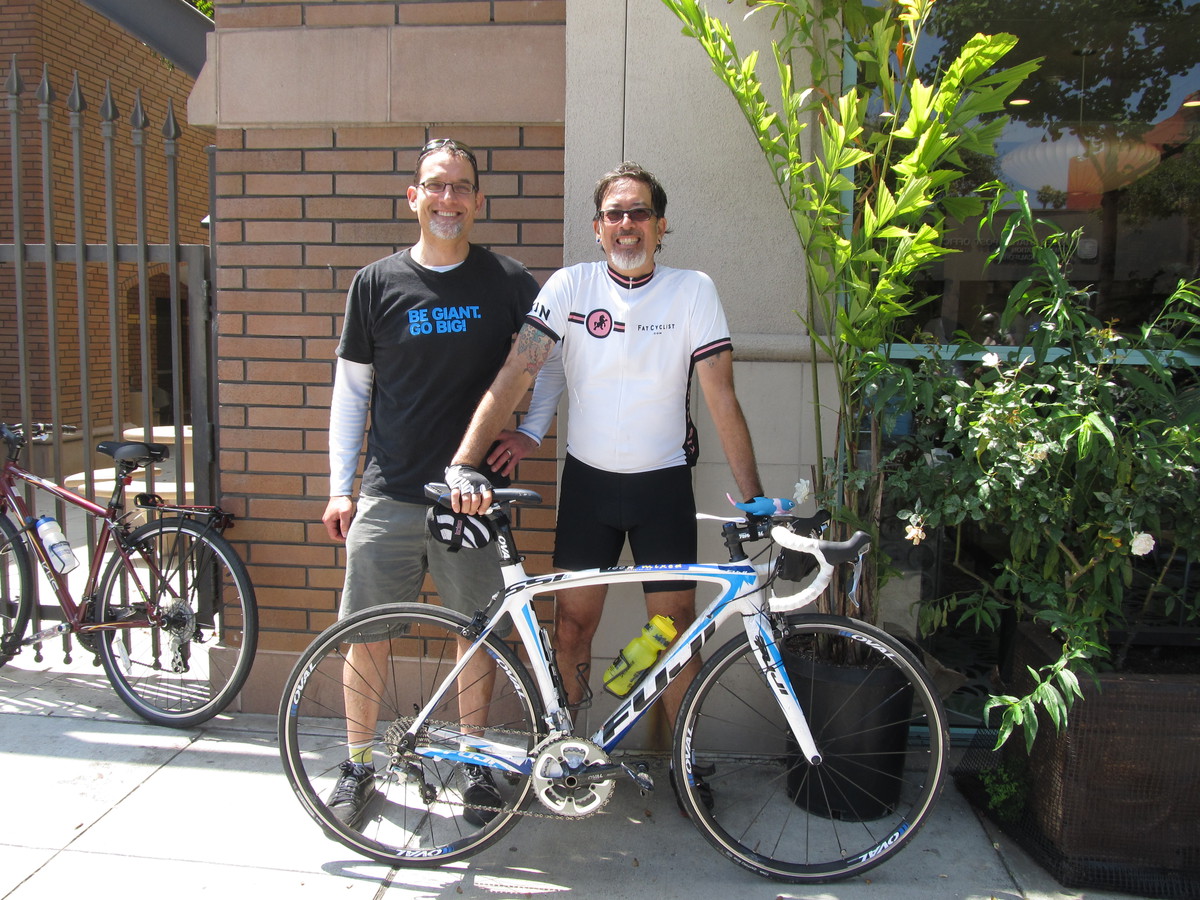
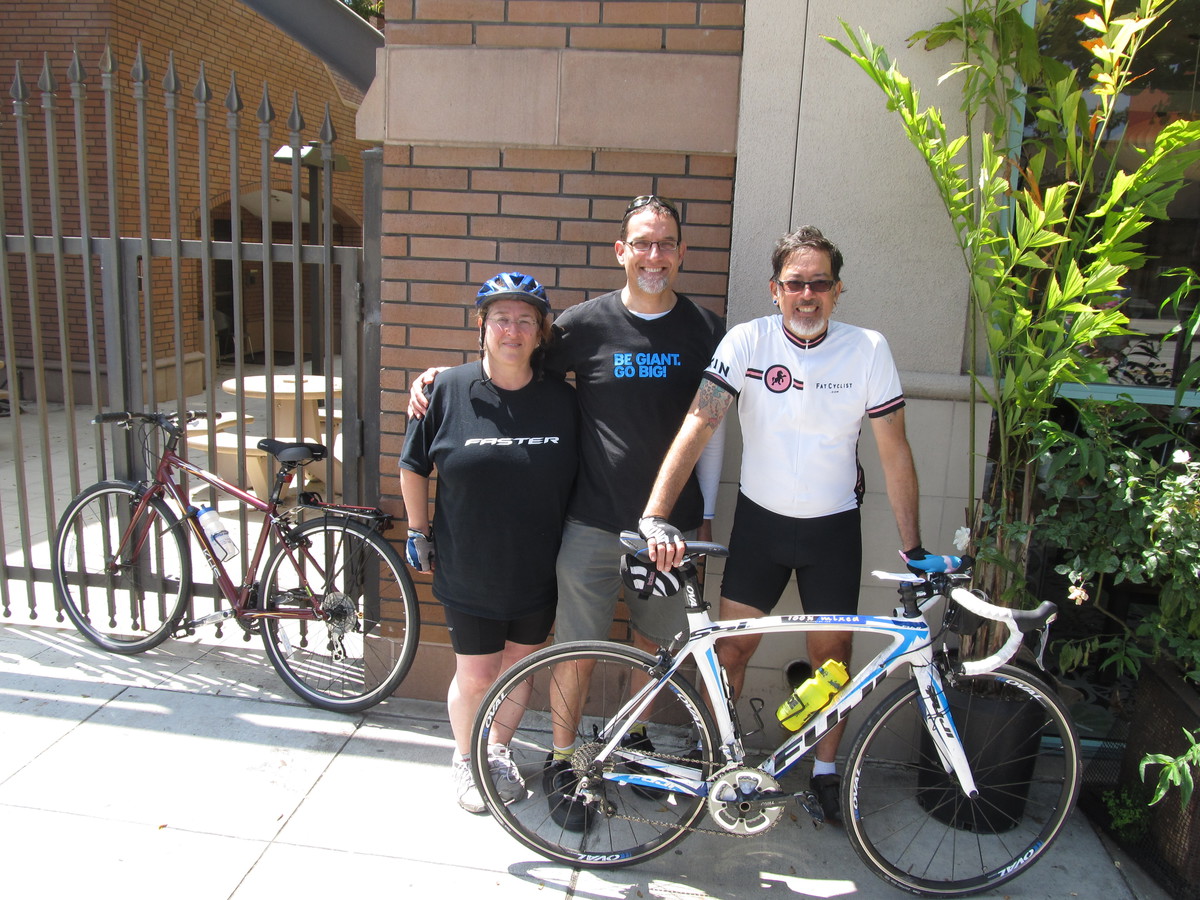
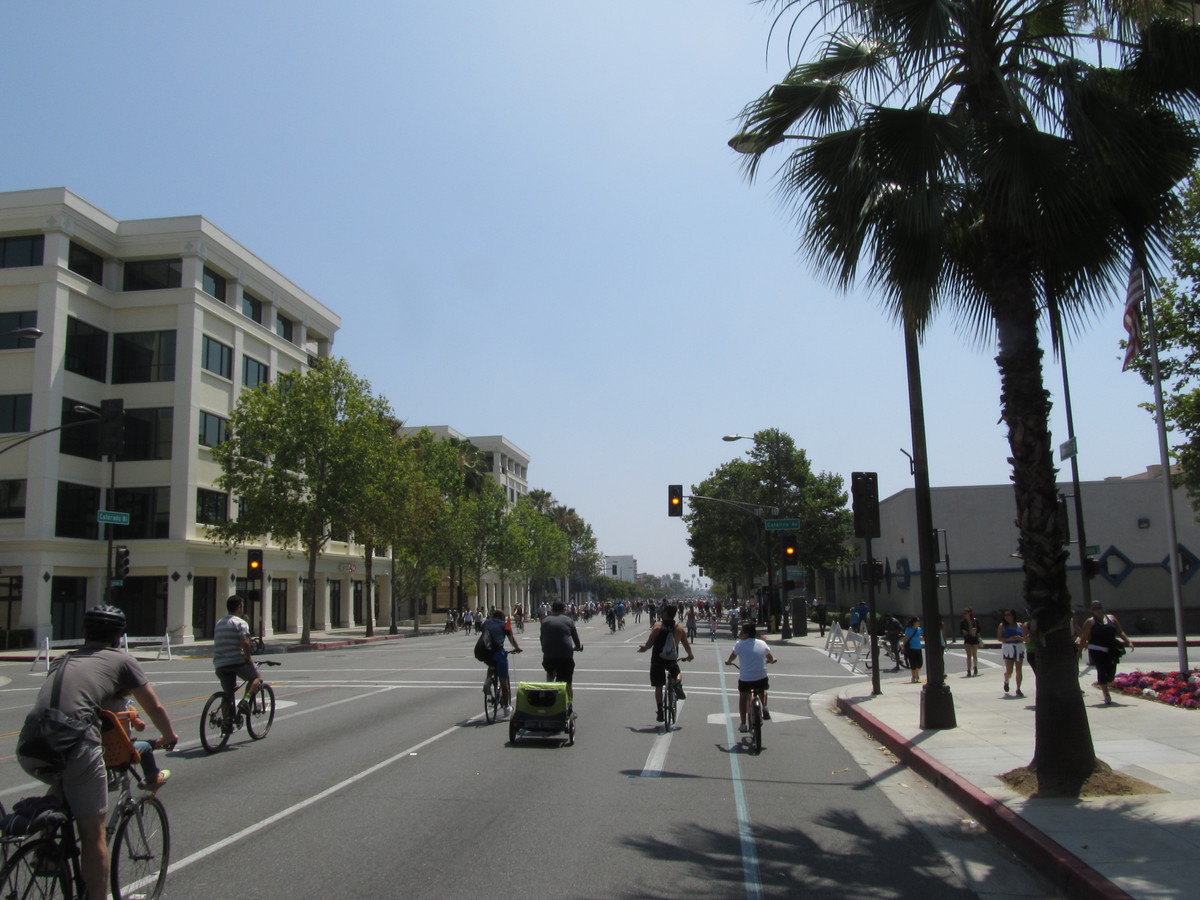
Today was the day that they had the first Ciclavia in Pasadena. We occasionally go to these on the Sunday morning bike ride, and since it’s right here, I figured we could go to it on the way home today. Our route was the old Mt Washington ride, just modified to come back by way of Old Town Pasadena to pick up the Ciclavia route. And as a special treat, I’d gotten a message that my old bike friend from college was going to be there. I haven’t seen Aaron since I graduated in 1982.
It was a perfect day for riding. We started out by heading up to La Cañada, and then down Hospital Hill and the long downhill through Glendale. It’s pretty amazing when you think about it. It’s something like eight miles downhill and about 1,000 vertical feel. When we got down to Cypress Park and the L.A. River, we turned north and then took the short side trip up and over Mt Washington. Then we continued on through Highland Park and South Pasadena to get back to Pasadena and the start of the Ciclavia route.

I found Aaron and Sharon by a little bakery near Lake Avenue. It’s hard to believe that 33 years have gone by. But I’d like to think that we’re both holding up pretty well for being in our 50s.

It was a nice ride, and it was good to see Aaron again.

33 miles.

Route map and elevation profile

5/30/2015

Dapper Cadaver for Obscura Day

Filed under: — stan @ 5:10 pm

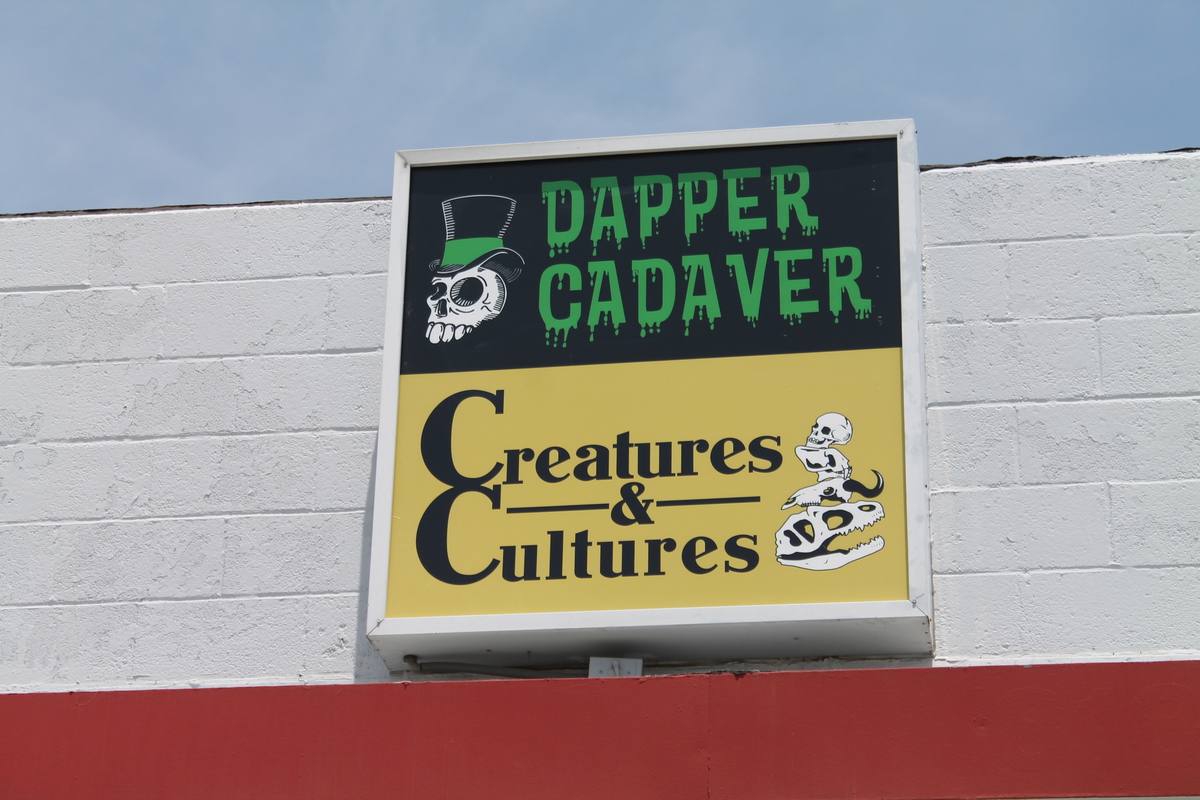
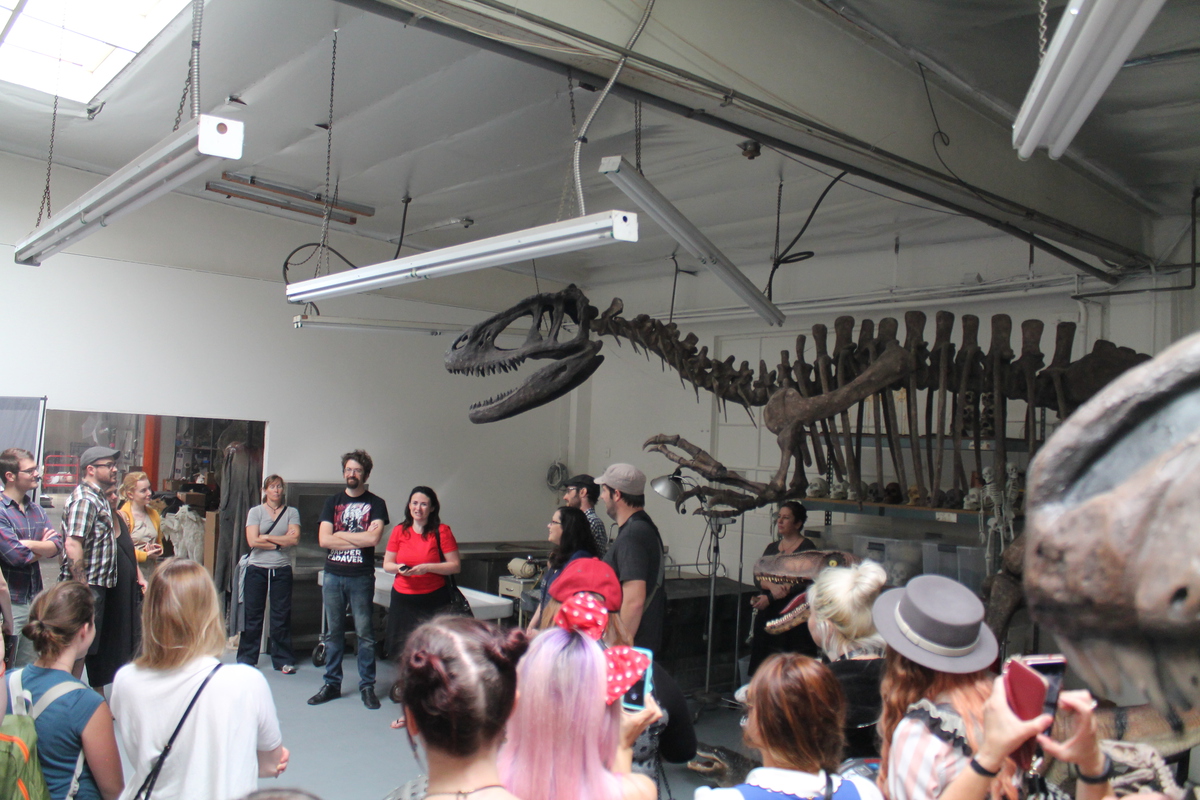
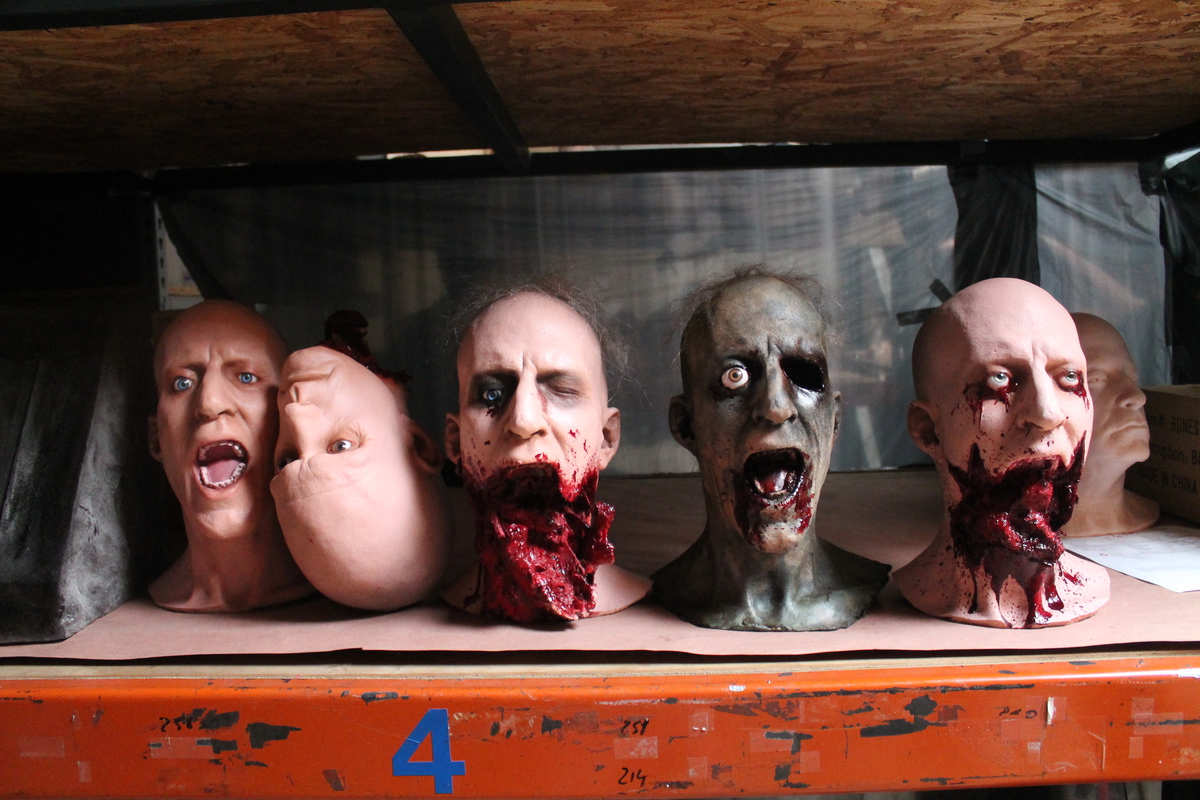
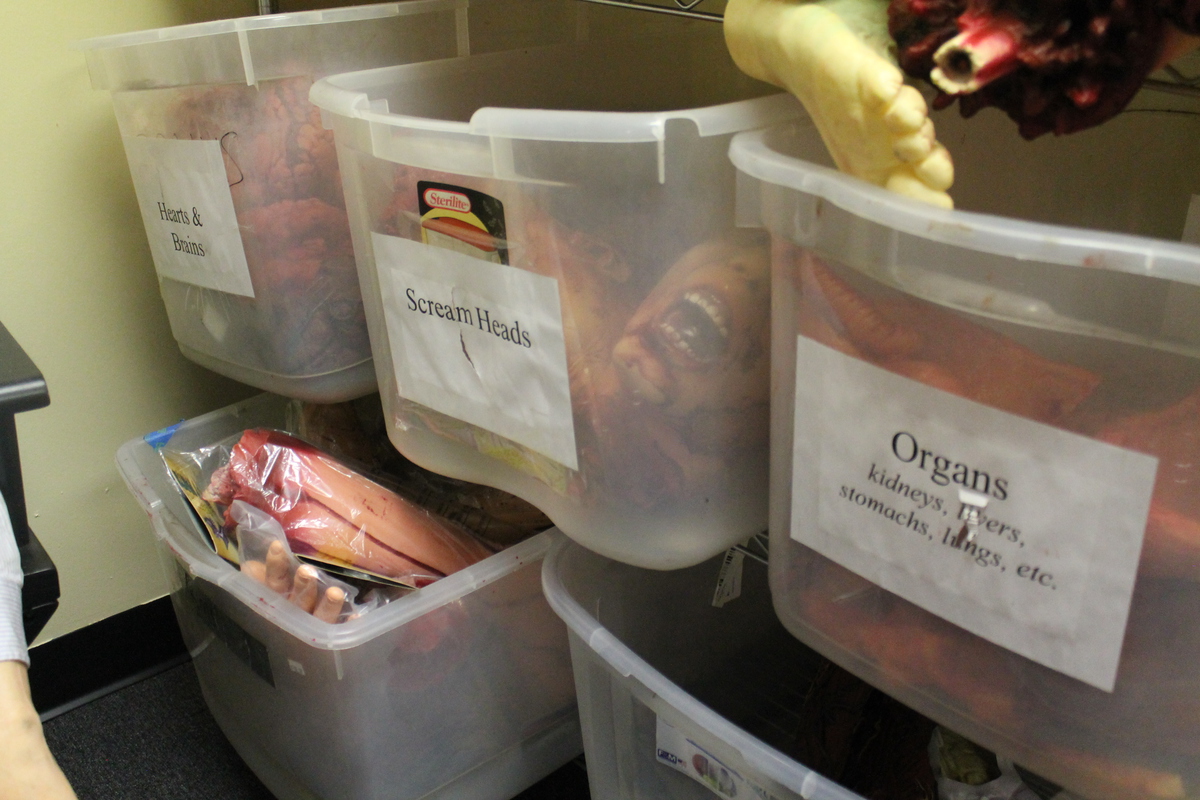
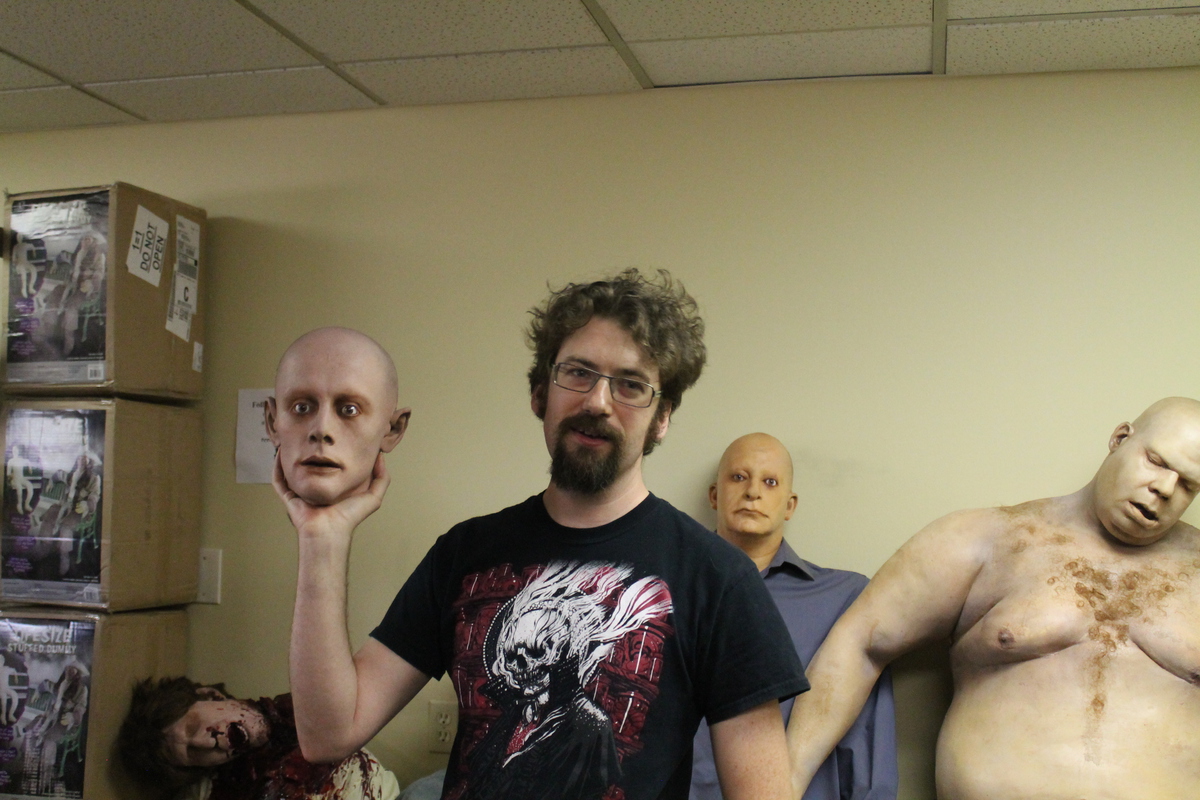
Today is Obscura Day, and the Atlas Obscura people are putting on about 20 events all around the Los Angeles area. And one of them is a visit to Dapper Cadaver, which is one of the premier places for supplying horror movie props. Since Lucinda and I went on the Dearly Departed tour of Hollywood, as well as the Helter Skelter tour, and we also visited the Museum of Death. So I figured this would be right up her alley.

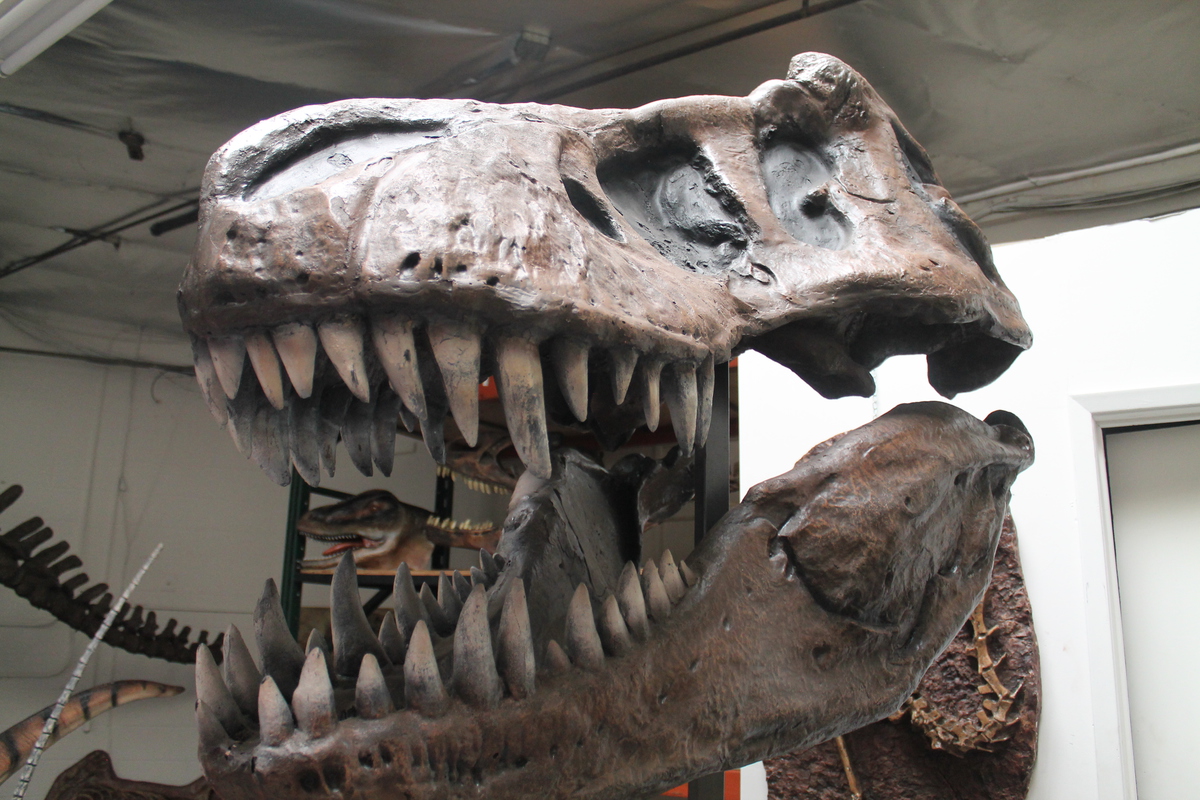
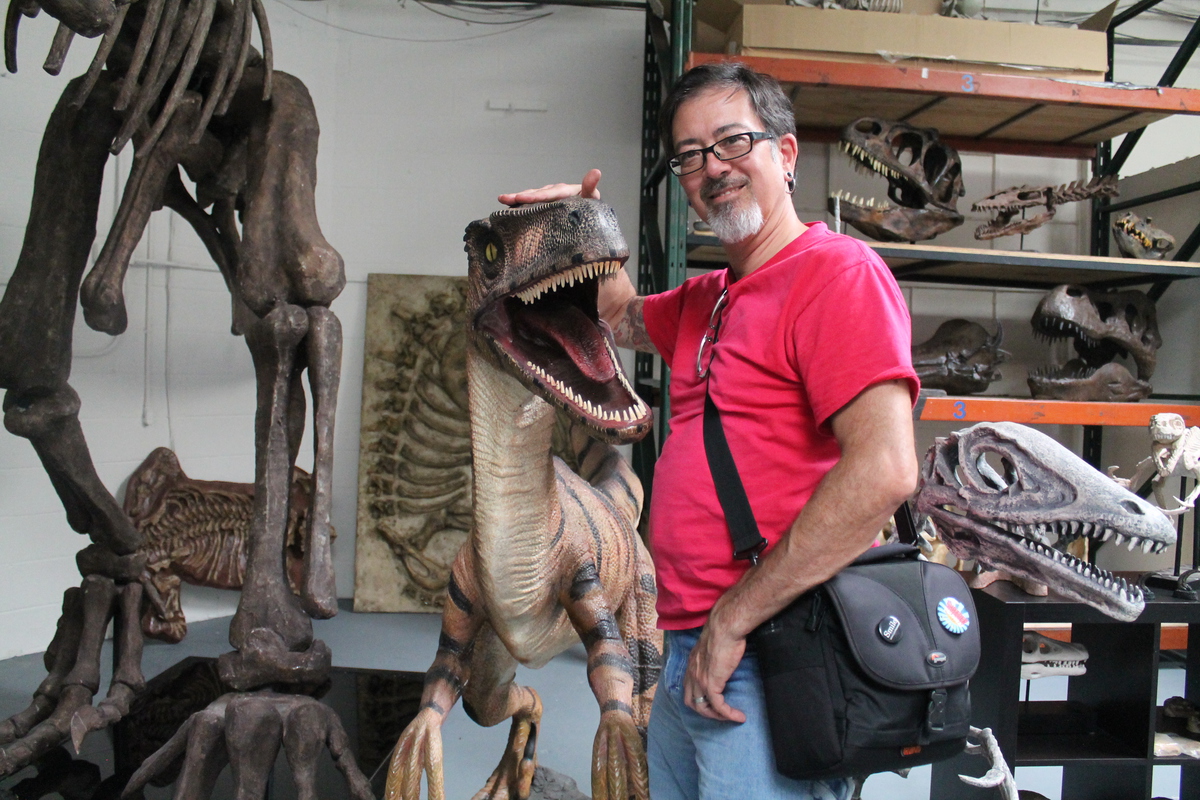
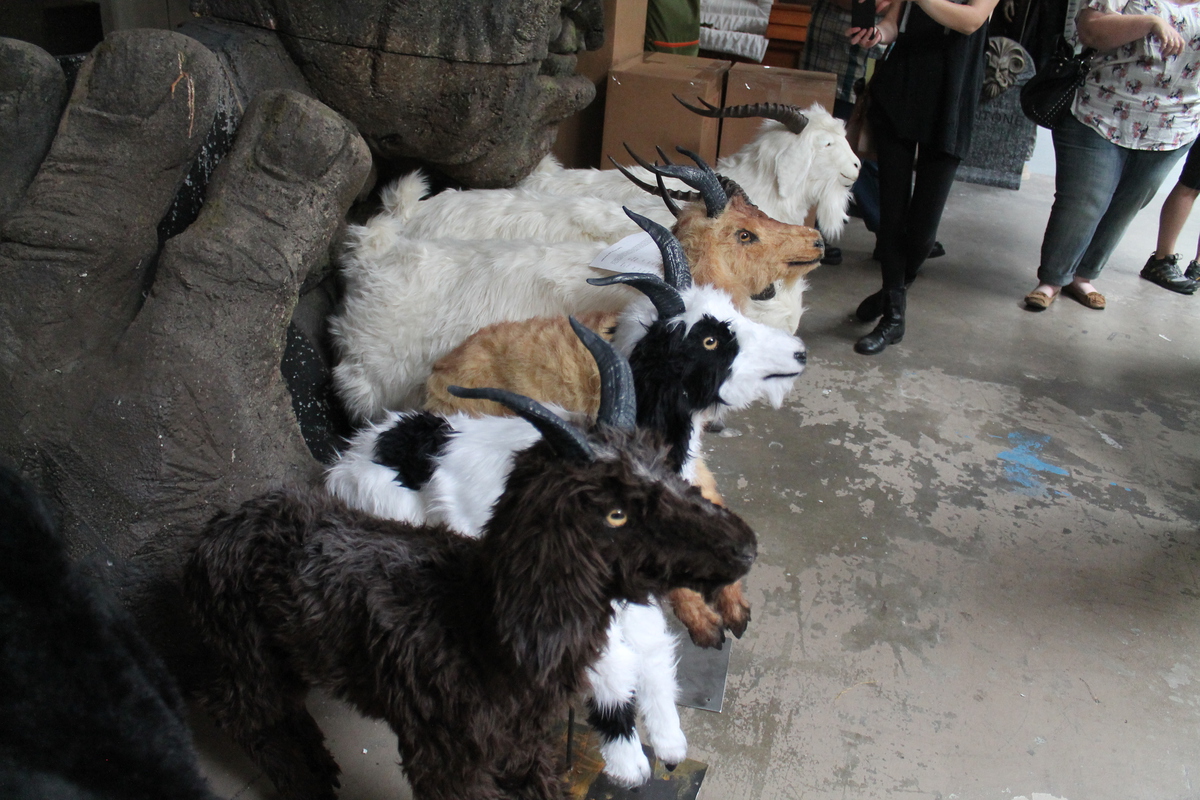
There was a pretty big group there for the tour. We were shown around the different rooms where they showcase the things they make there. There were lifelike animals, and deathlike humans. There was a an entire room dedicated to body parts and bodies in various stages of dismemberment.

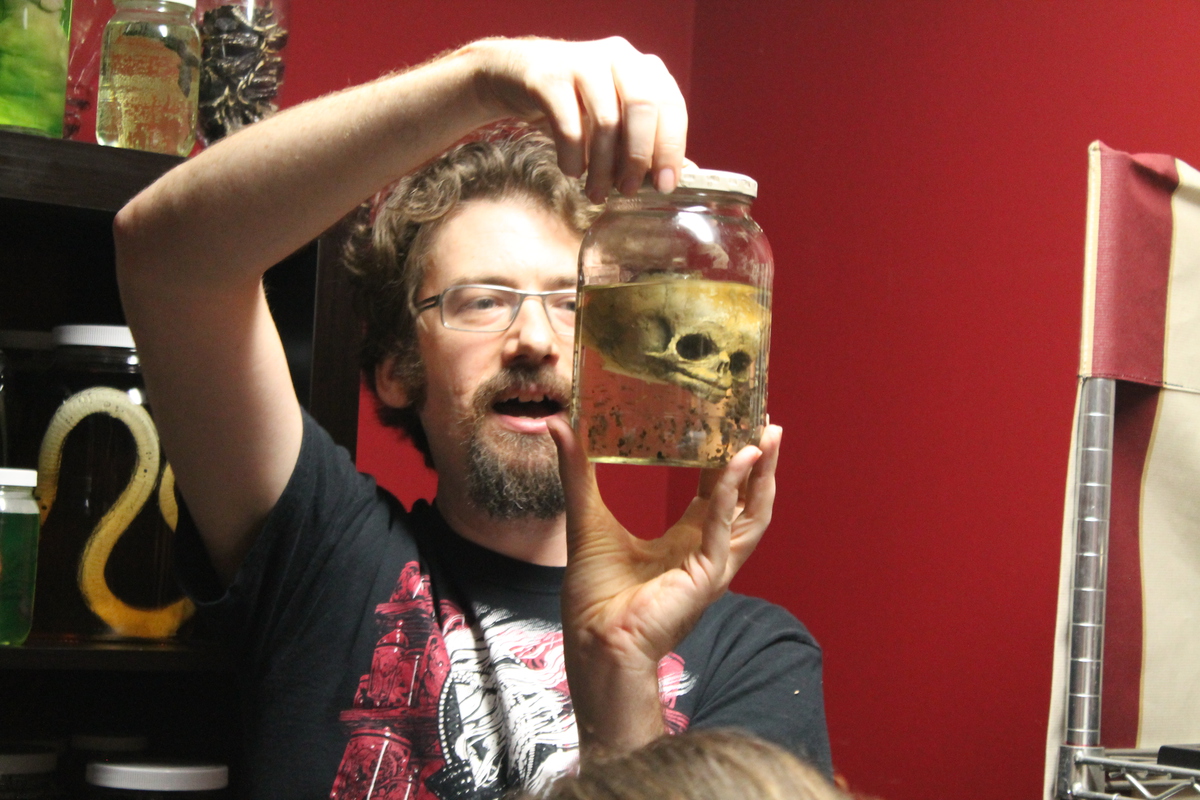
Another room was dedicated to ‘things in jars’. Lucinda perked up when he showed us the baby skull in a jar that was used on an episode of “American Horror Story“.

In the end, there weren’t any props that we just had to have for our house, but we did pick up a catalog to take home. I got Lucinda one of their shirts, and everyone on the tour got a Dapper Cadaver shot glass for a souvenir. It was a fun, albeit horrifying experience. But that was the idea.

5/29/2015

Flying Machines

Filed under: — stan @ 6:28 pm

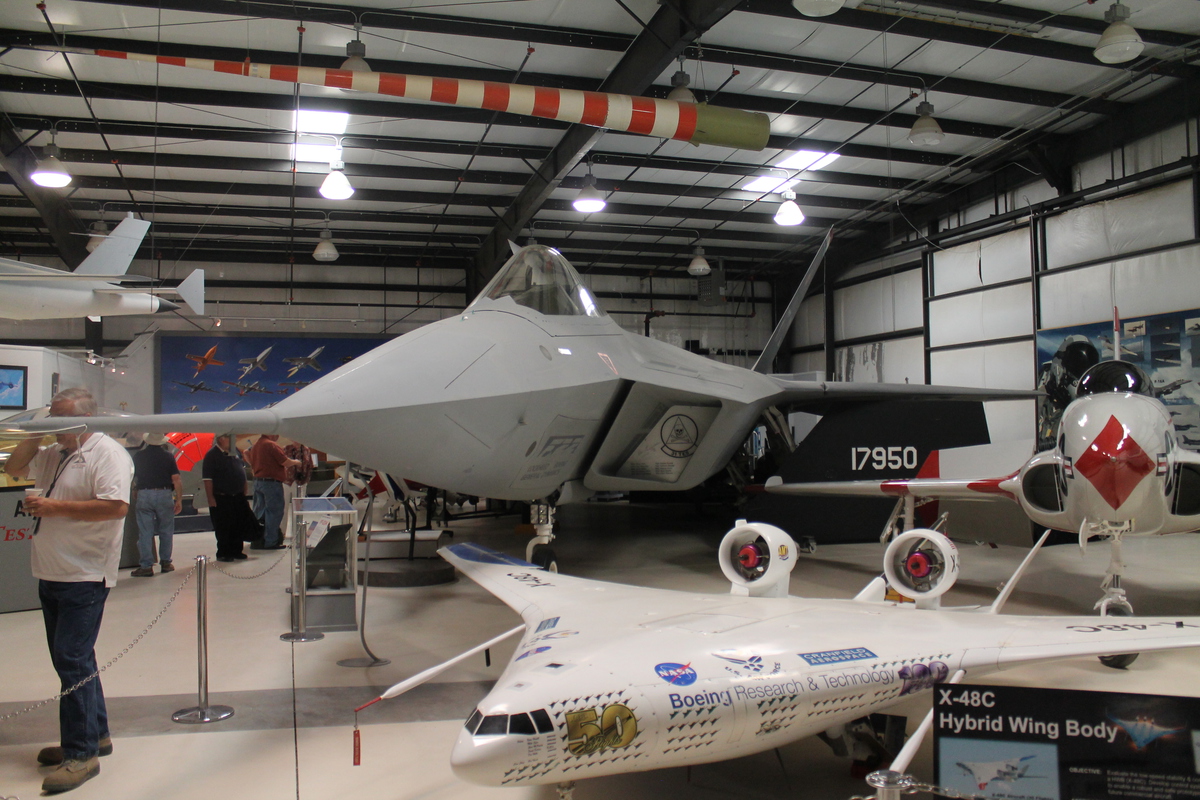
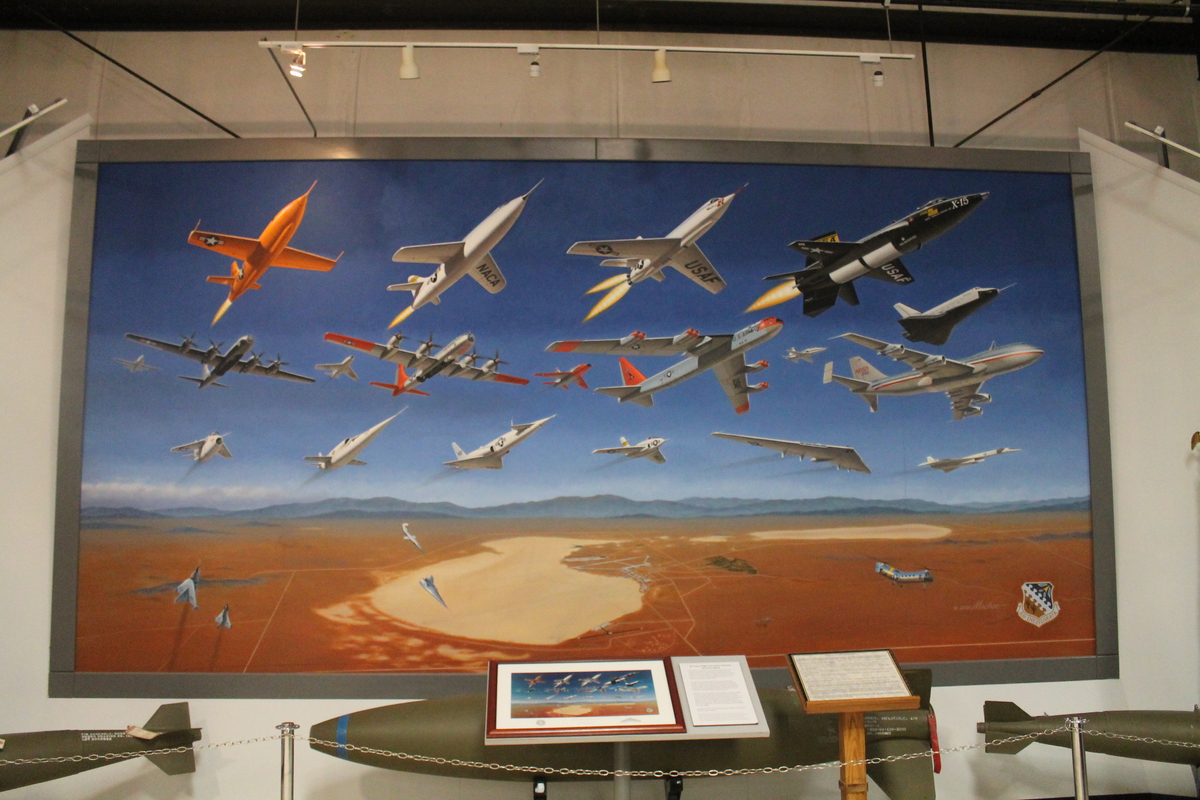
For twenty years, I’ve been getting the little catalog of PCC Extension’s courses in the mail, and I never paid any attention to it. But this time, Kathleen was looking through it, and she said, “Hey, they have some day trips and tours in here that you might like.” I picked it up, and had a look, and then I went online and signed up for the day trip and tour of Edwards Air Force Base. I’d gone there about 30 years ago to see the Space Shuttle land, but never went for a tour. I thought it could be interesting.

So I rode my bike over to PCC in the morning to meet up with the tour bus. I figured that it’s 1/2 mile closer than riding to work, so there really was no reason to take the car. And I figured that since PCC is a college, finding bike parking would be easy. I certainly had no idea how hard it was going to be. In the end, I found a fence on the edge of the parking lot and put it there. I’m still a bit dumbfounded that there was not one bike rack anywhere near that parking lot.

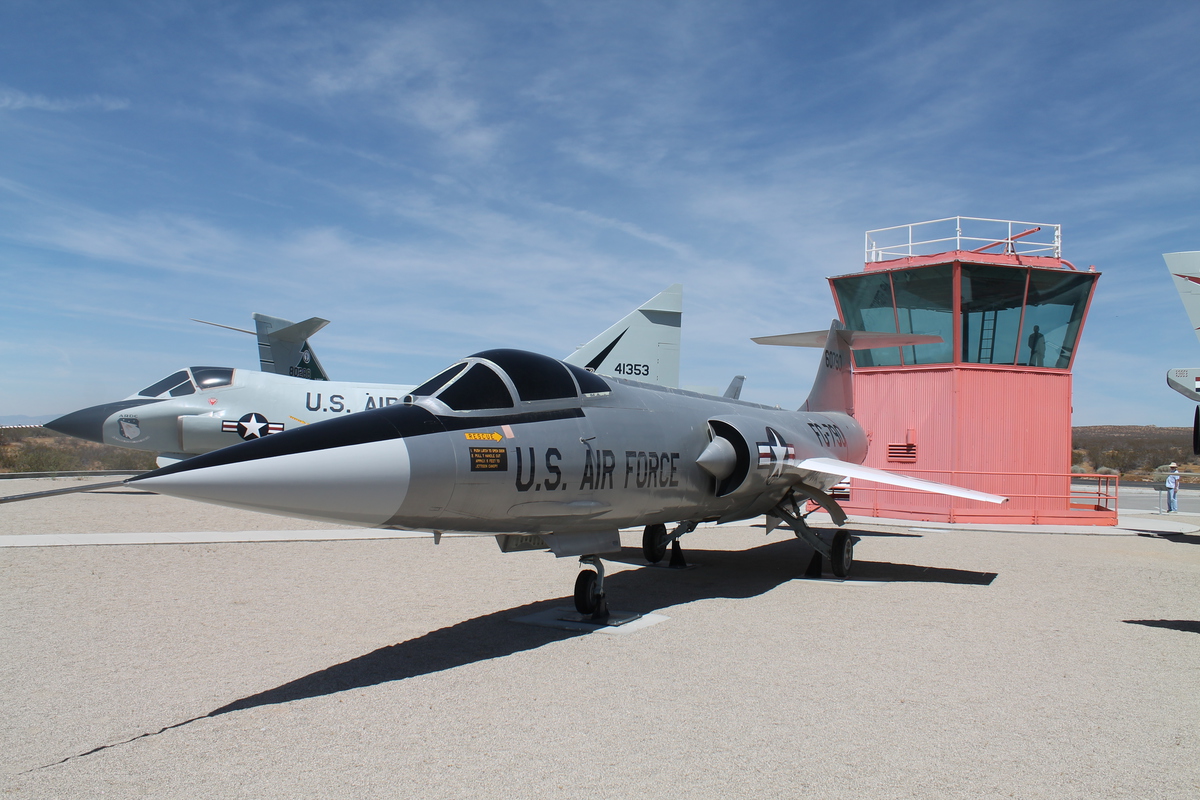
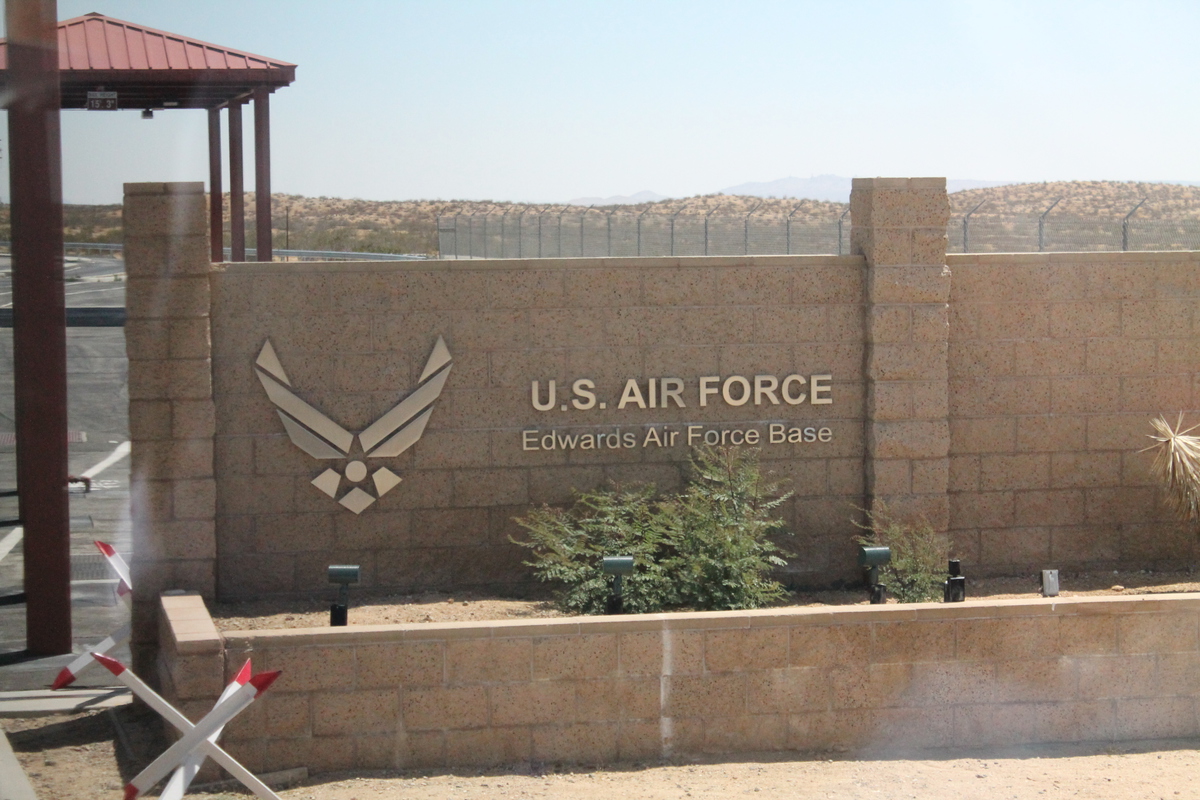
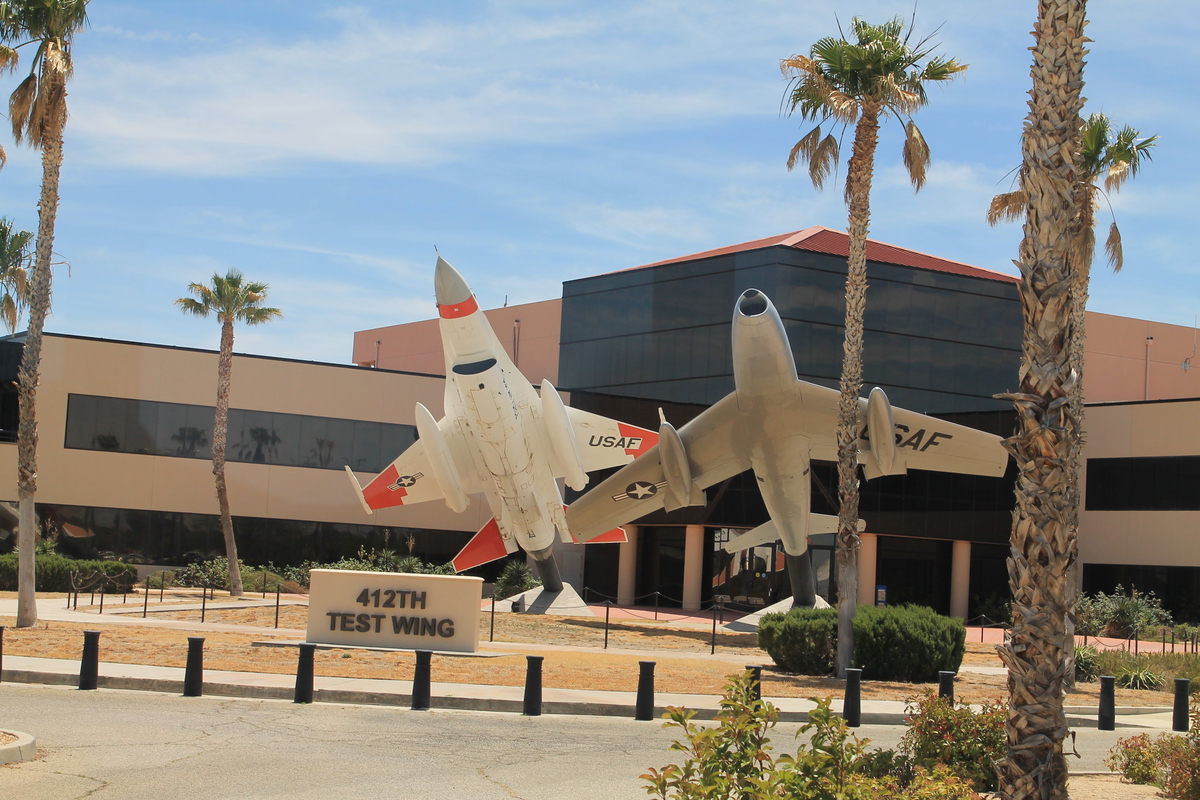
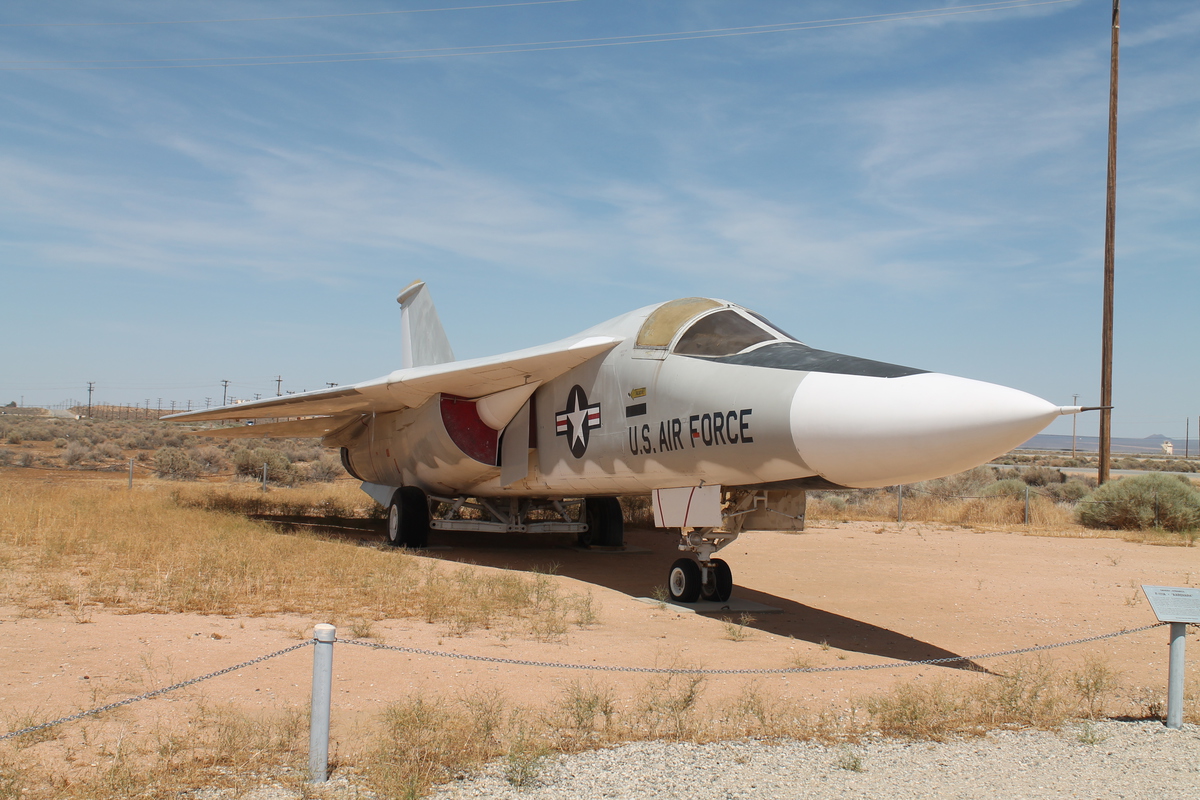
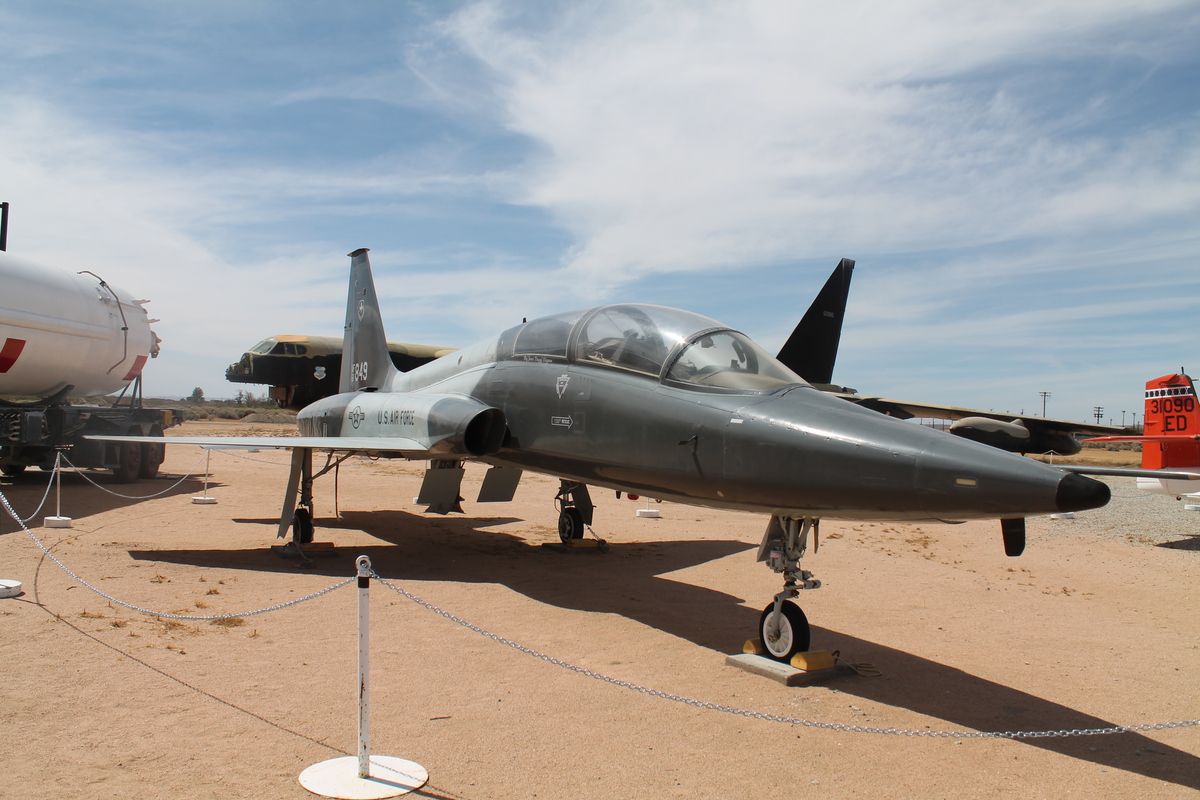
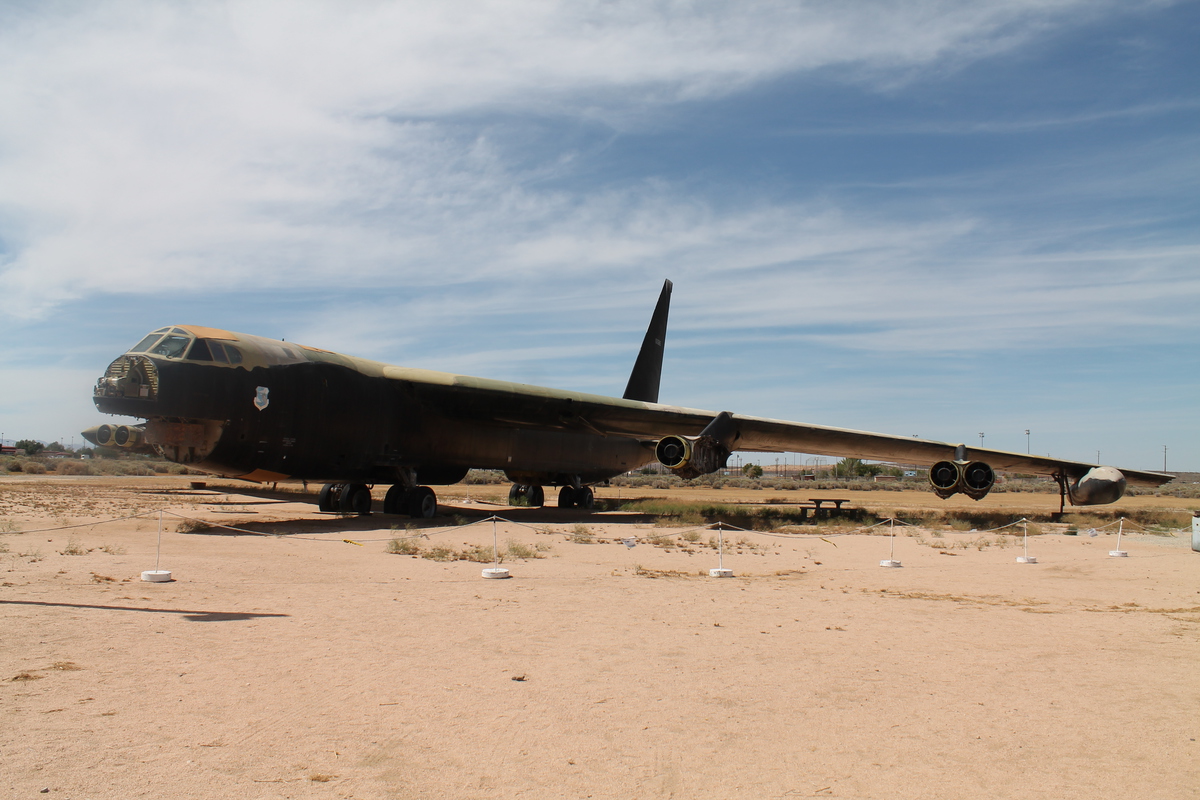
It’s a long ride up to Edwards, but we finally got to the gate. We had to wait at the entrance for the public relations guy to come out to meet us. While we were waiting, we had a look at the airplanes they had parked outside the gate. They told us later that they will eventually have a museum at that location.

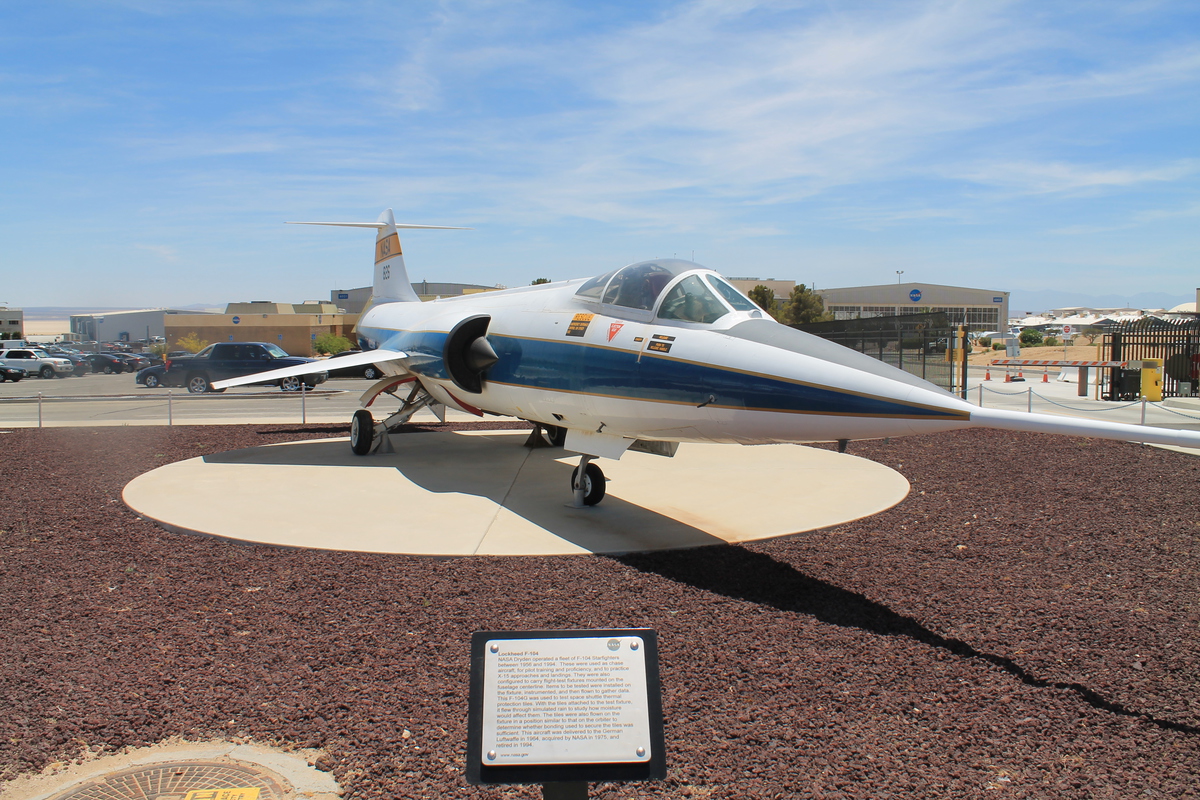
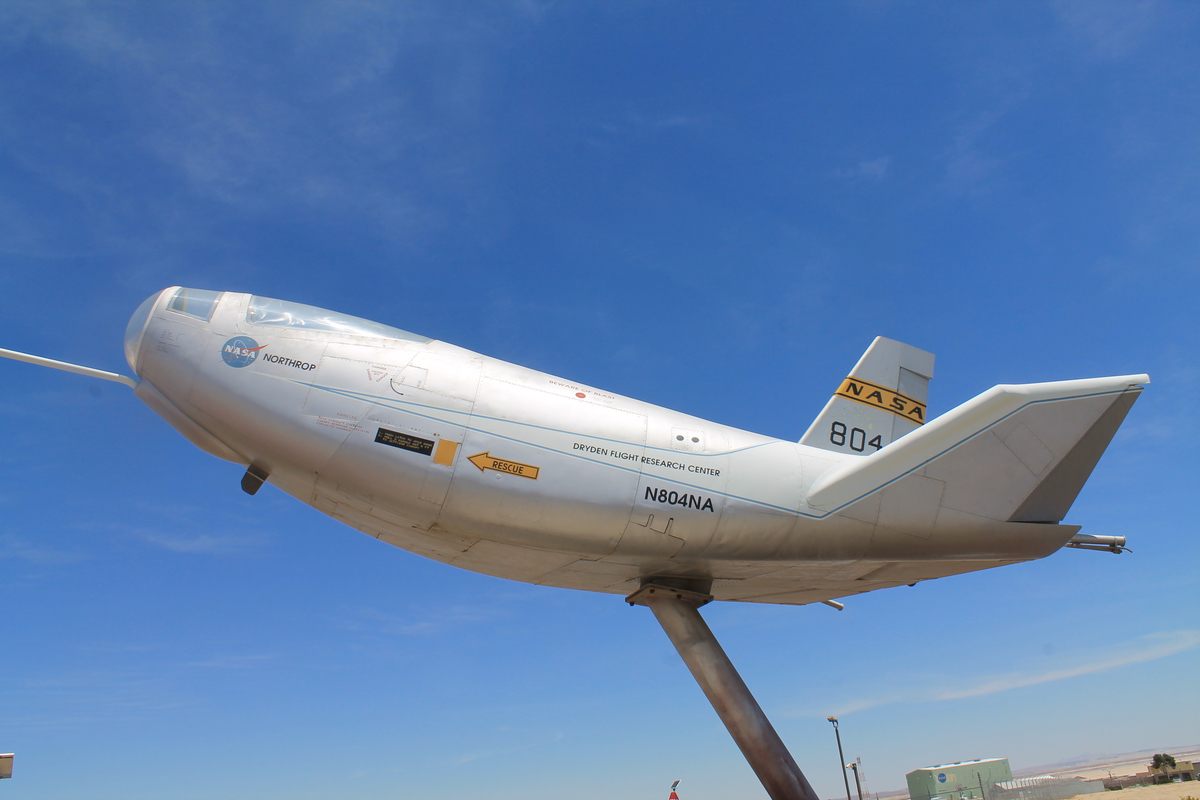
When the public relations guy got there, he introduced himself and made the arrangements with the guards to let us in. Then he escorted our bus to the NASA flight research center. It used to be Dryden, but it was renamed after Neil Armstrong. We had lunch at the little food court there. Then we had a little time to visit the NASA gift shop, and to look at still more airplanes on display out front.

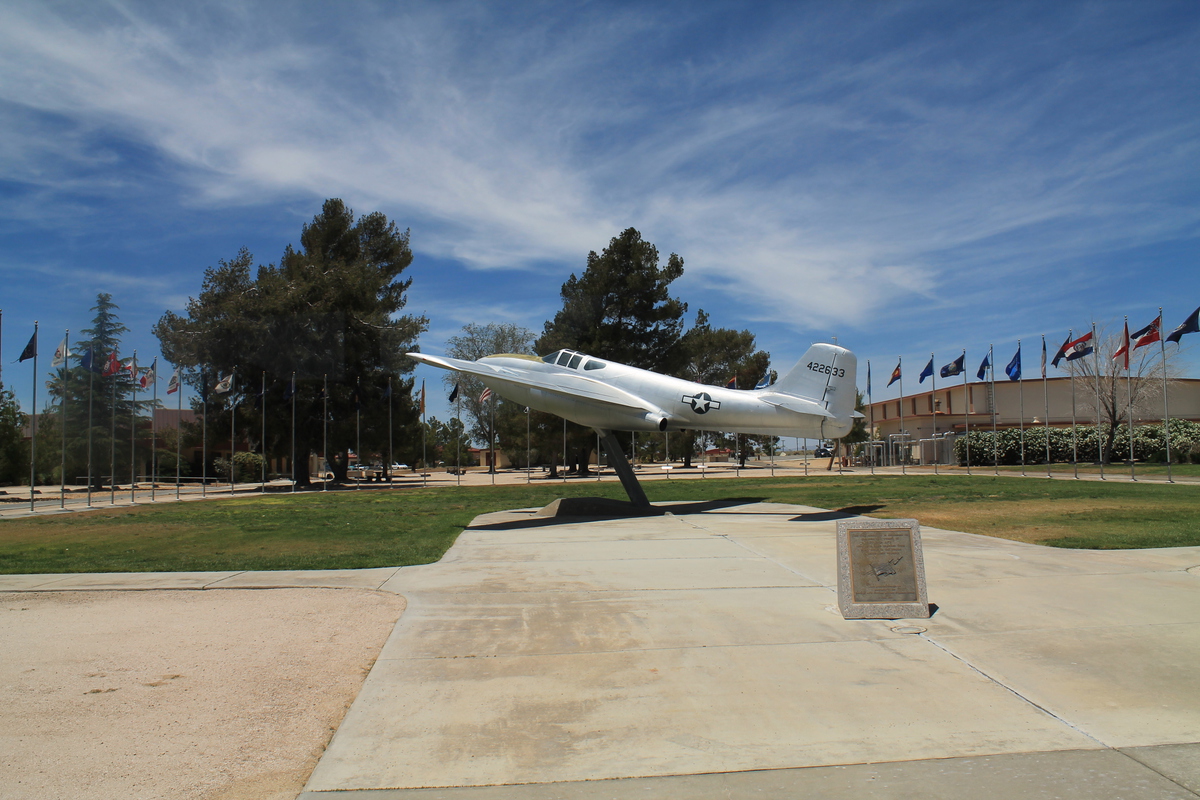
Then an Air Force bus came to take us on the actual tour of the base. They had a P-59 on display outside. They said it was the first jet-powered fighter for the U.S., but that it didn’t see combat. They said that the German jet fighters didn’t turn out to be decisive in the war, largely due to lack of suitable fuel for them to run on. So that was why our combat planes remained propeller-driven until after the war.

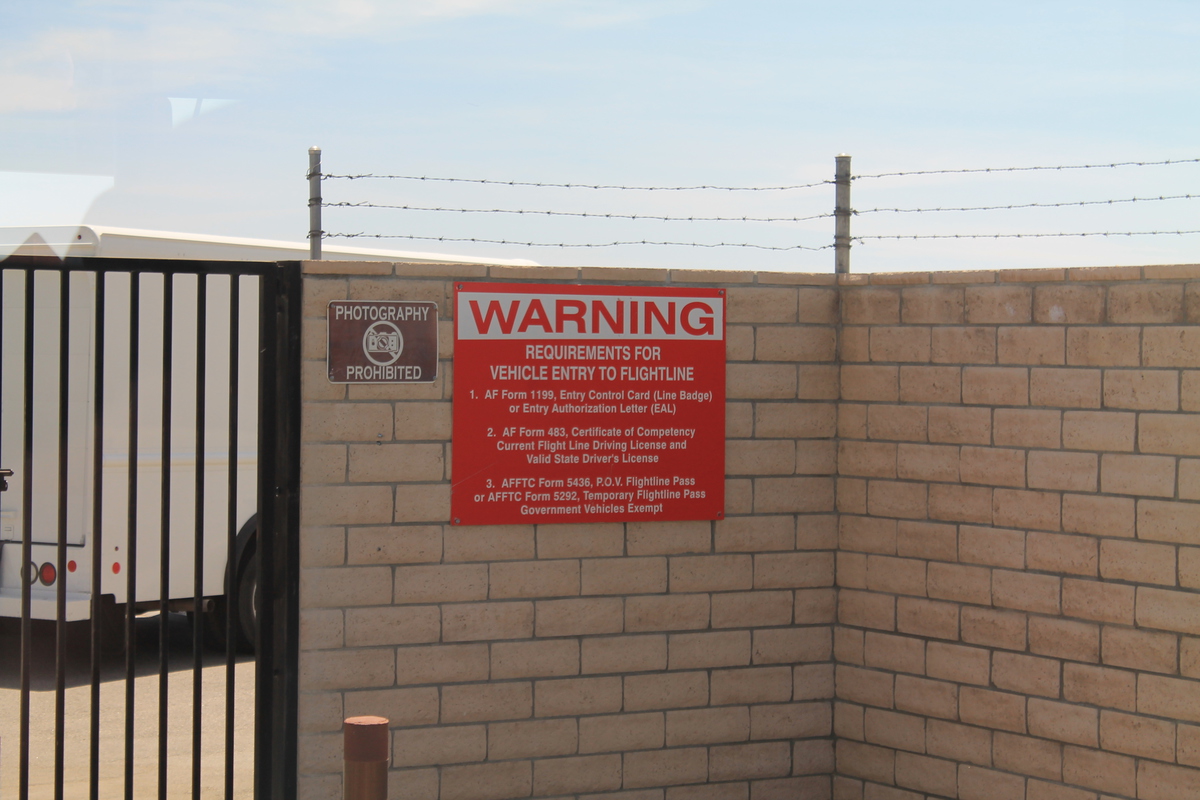
Then it was time for our tour of the flightline. We passed the headquarters building that they said was built in the shape of the B-2 bomber, and then we passed through the gate. They said that we had to put our cameras away at that point. The bus took us around to see airplanes in hangars being repaired, tankers parked outside, and lots of F-22 and F-35 fighters, each one parked under a tent-like canopy. We got to see a pair of F-22s taxi by after returning from a flight. They may be invisible to radar, but they were very loud.

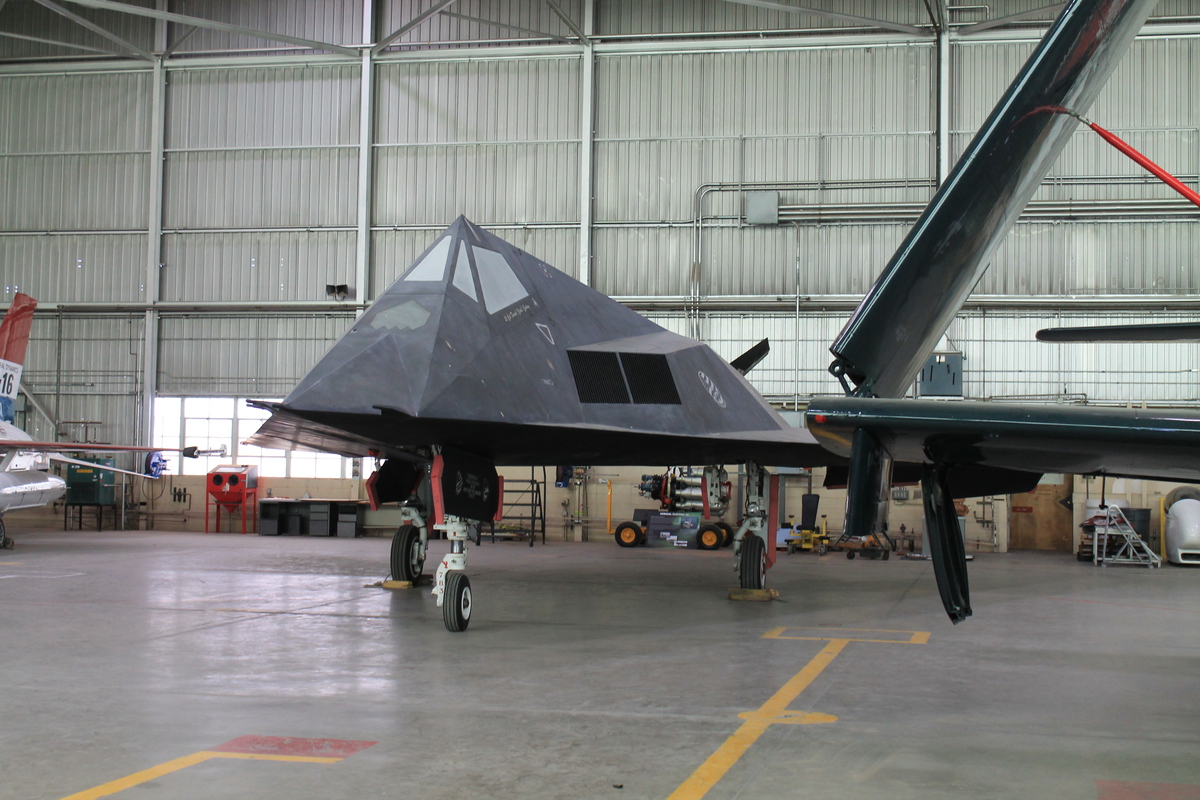
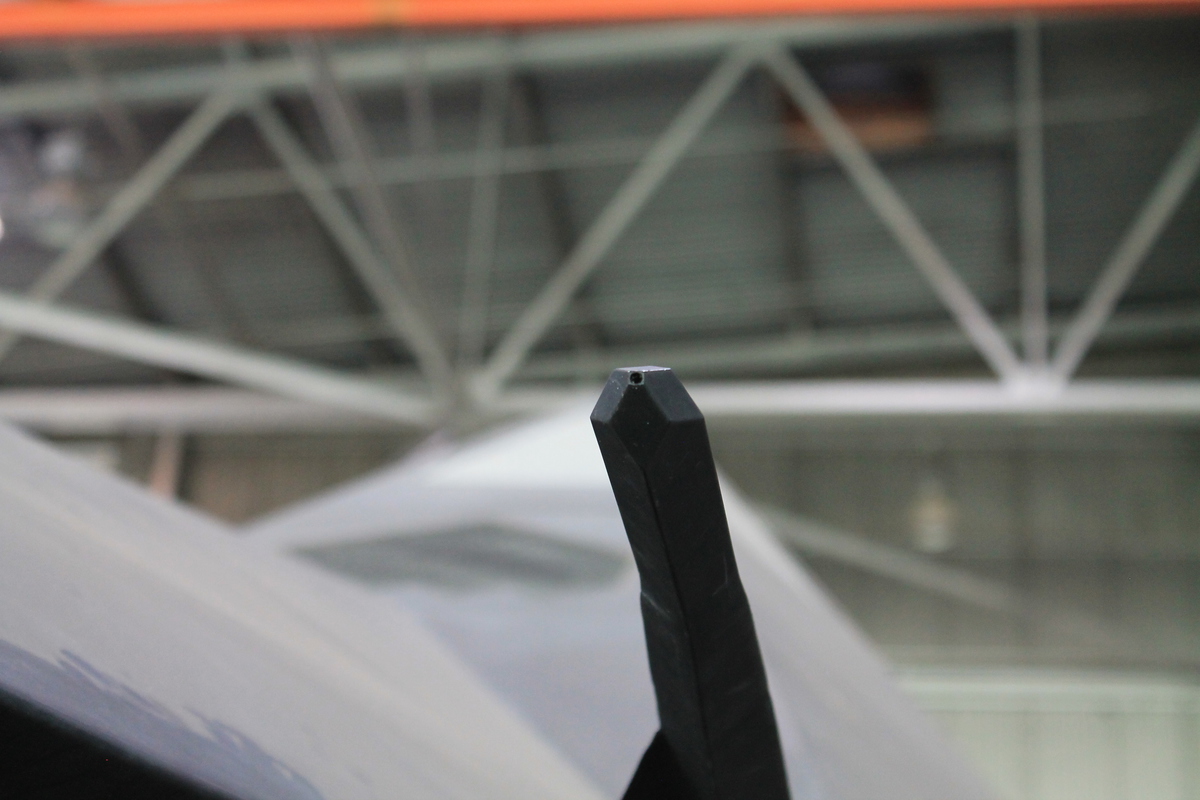
At the start of the tour, they had promised us something extra, and we got that in the middle of the flightline tour. We stopped at a hangar where they have airplanes being restored for display in the museum there. The highlight of that was getting to see the F-117 up close. The guides said that it had had its radar-absorbing coatings removed, and the engine exhaust outlets were covered, since they said that some aspect of the design of the outlets is still classified.

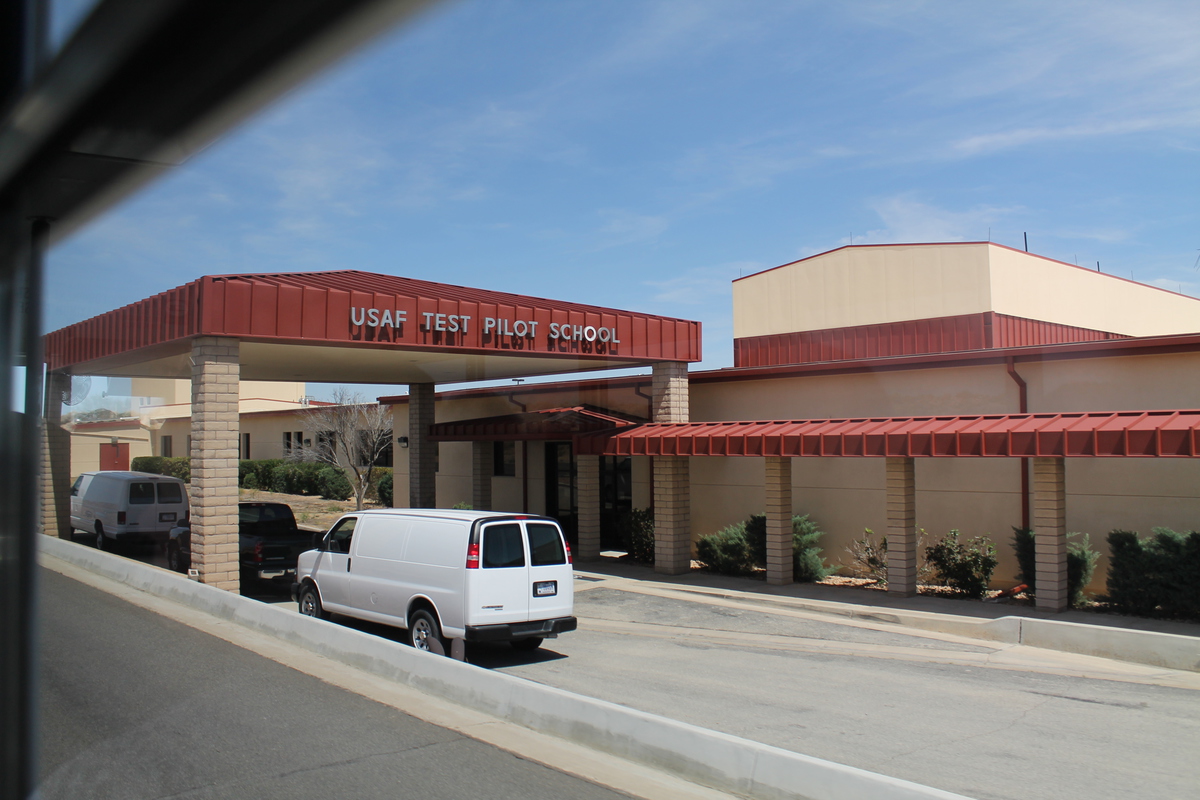
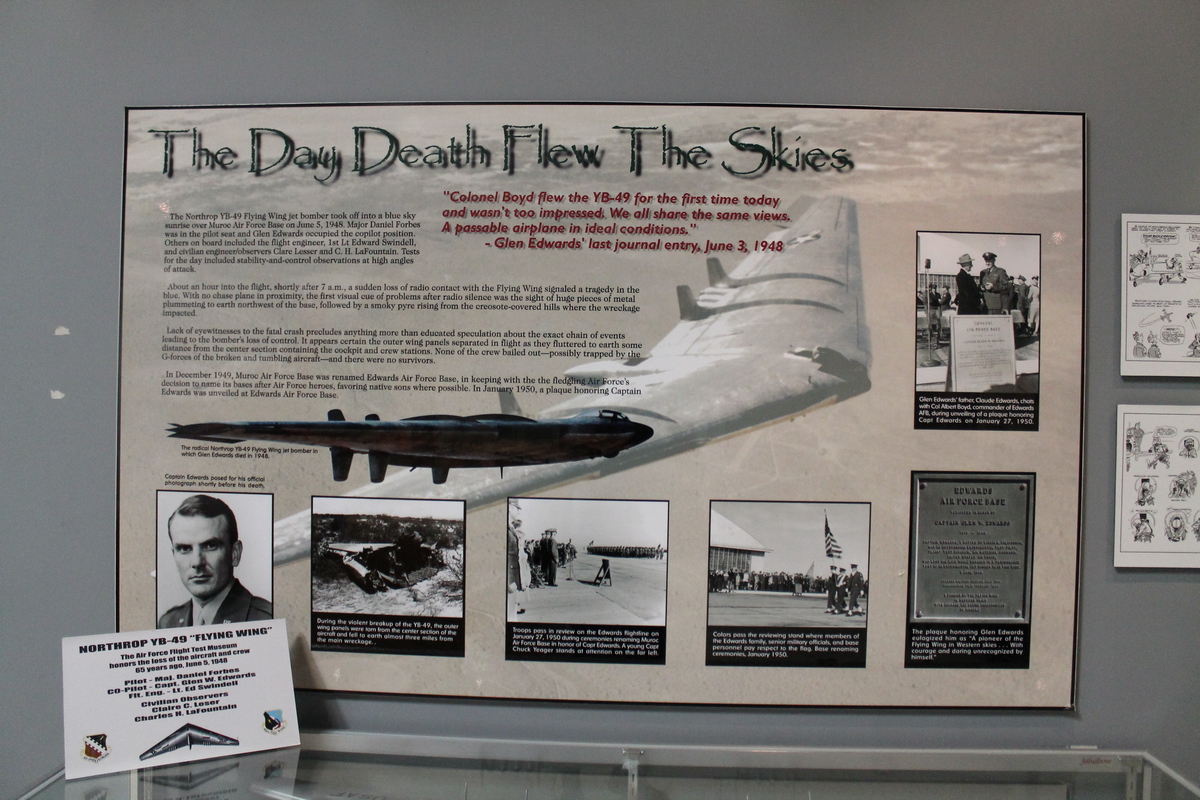
After seeing the restoration hangar, we headed back outside. They took us on a tour of the rest of the base, including the base housing and schools, and even a Starbucks. I guess Starbucks really is everywhere. At the end, they dropped us off at the base museum. We had about 45 minutes there before it was time to head for home. It was all interesting in a nerdy way.
Powered by WordPress