Holiday’s a comin’
 |
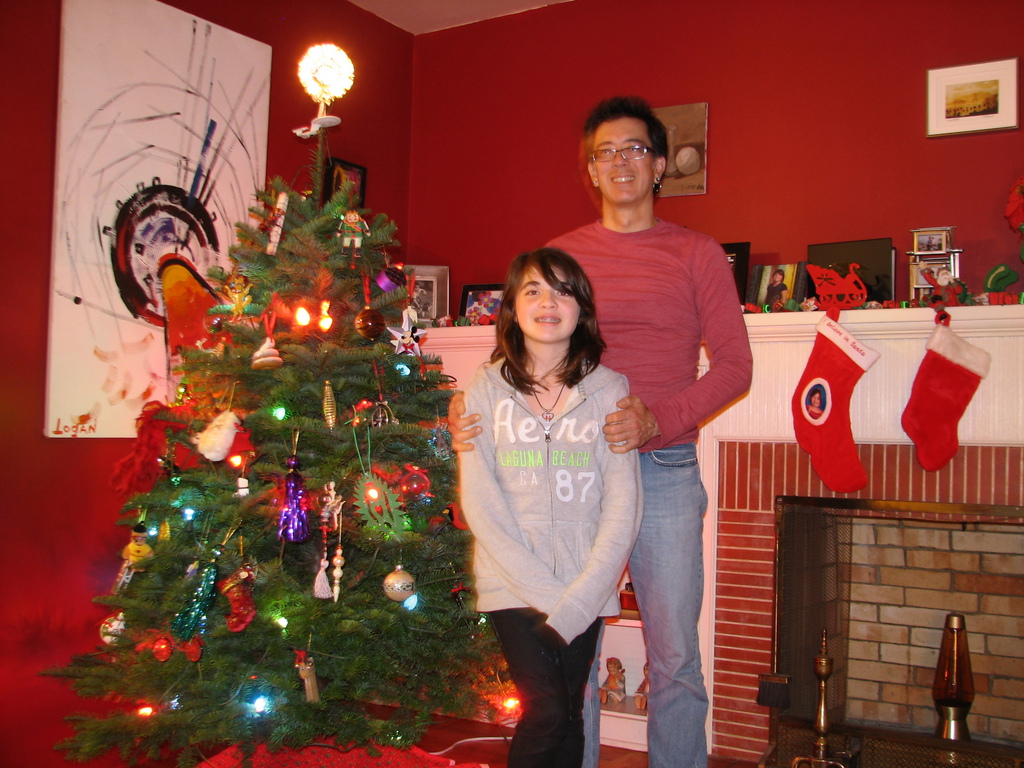 |
Lucinda and Suzie and I are ready for the holidays now.
Comments Off on Holiday’s a comin’
|
|
Lucinda and Suzie and I are ready for the holidays now.


| M | T | W | T | F | S | S |
|---|---|---|---|---|---|---|
| « Nov | Jan » | |||||
| 1 | 2 | 3 | 4 | 5 | ||
| 6 | 7 | 8 | 9 | 10 | 11 | 12 |
| 13 | 14 | 15 | 16 | 17 | 18 | 19 |
| 20 | 21 | 22 | 23 | 24 | 25 | 26 |
| 27 | 28 | 29 | 30 | 31 | ||
Powered by WordPress